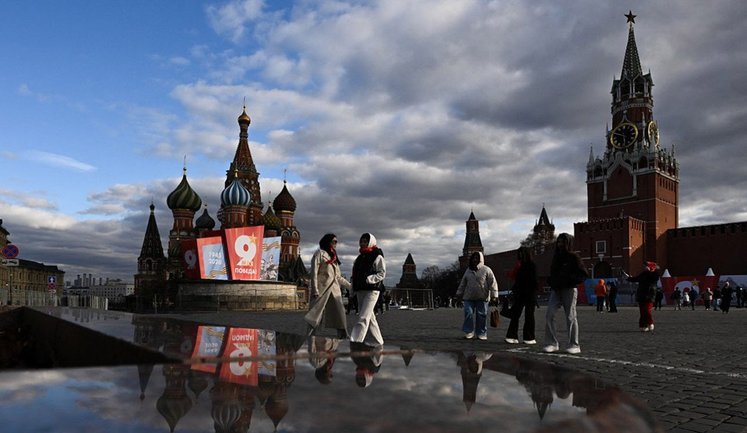
The commemoration of V-Day on May 9 this year has become a focal point for international tensions. Russia has issued threats of "retaliation" against Ukraine if provocations occur during the Moscow parade, signaling heightened anxiety over the event's security. Ukrainian President Zelenskyy's remarks about drones over Moscow have intensified these tensions. Meanwhile, several foreign leaders plan to attend the celebrations, despite warnings about the risks from ballistic and cruise missiles. This has sparked global debate over attending events that symbolically support Russia amid its war in Ukraine. Additionally, uncertainty looms as some countries withdraw their participation amidst security threats.
Why is V-Day significant for Russia and neighboring countries?
V-Day marks the Soviet Union's victory over Nazi Germany in World War II. It holds immense national pride for Russia, symbolizing military triumph and historical legacy. For neighboring countries, particularly Ukraine, it highlights ongoing tensions, as Russia continues its aggressive posturing and military interventions, stirring regional and international conflicts. The commemoration becomes a geopolitical event that focuses on power dynamics and historical memory, making it significant beyond Russia's borders.
What security threats exist for the May 9 parade in Moscow?
The May 9 parade in Moscow faces threats from potential ballistic and cruise missile attacks, causing widespread concerns over security. The threats are exacerbated by Russia's war against Ukraine and its corresponding provocations. Ukrainian officials have implied possible aerial observations over Moscow, aggravating tensions. These threats and political pressures have led to reevaluations of international attendance at the parade, as many fear possible escalations and security breaches.
How have foreign nations responded to participation in Russia's V-Day?
Responses vary among foreign nations regarding participation in Russia's V-Day events. Some, like China, continue to engage diplomatically, with President Xi Jinping confirming attendance. Conversely, other nations, observing security risks and political implications, have withdrawn or criticized participation. Slovakia and Azerbaijan, among others, reflect divisions within international circles, weighing diplomatic ties against security and ethical considerations, thereby showing the event's complex international significance.
How does the V-Day parade affect Ukraine-Russia relations in 2026?
The V-Day parade in 2026 exacerbates Ukraine-Russia relations, intensifying pre-existing conflicts. Ukraine's leadership comments on Russian provocations highlight contentious narratives and power struggles, elevating regional instability. Russia's threats of retaliation against perceived provocations underline the militarized nature of these relations. Additionally, the parade serves as a potential flashpoint for further diplomatic and military confrontations, straining bilateral relations amid global scrutiny.
What are the historical implications of V-Day for modern Europe?
V-Day has substantial historical implications for modern Europe, symbolizing the end of World War II. It represents peace and victory over fascism but also underscores tensions in post-Soviet states, where Russian actions evoke historical memories of Soviet dominance. These implications are crucial for understanding contemporary geopolitical dynamics, with the parade becoming a canvas for nations to express solidarity, dissent, or neutrality, reflecting their positions on modern conflicts and alliances.