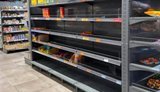
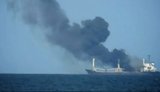
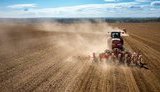
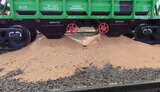
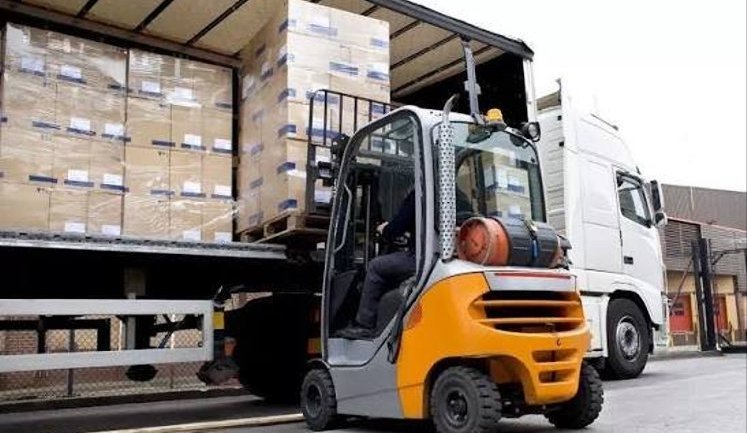
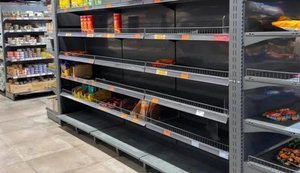
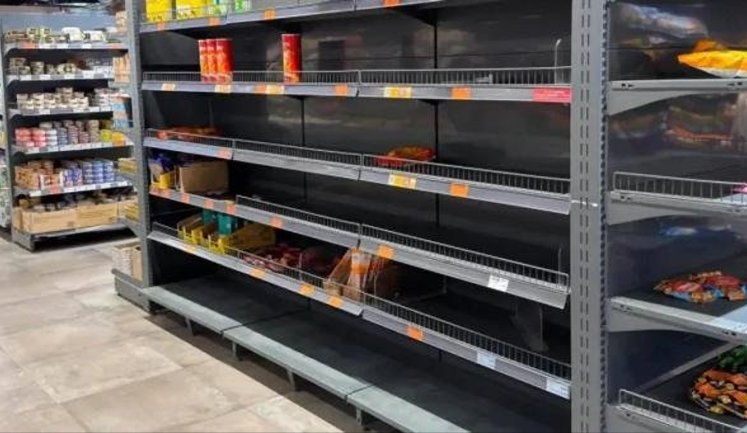
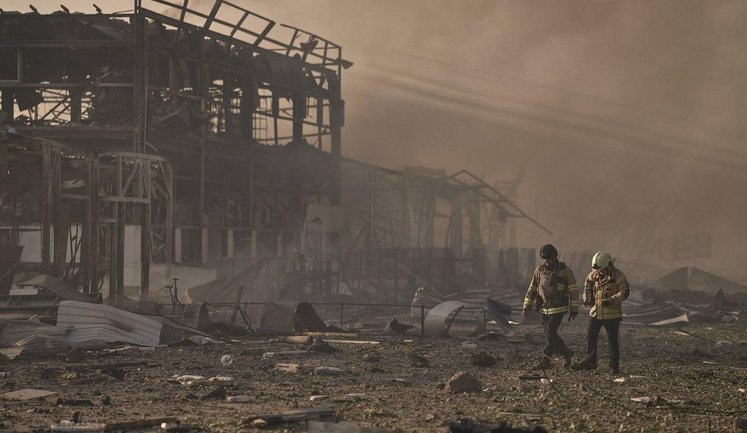
Ukraine faces daunting challenges in maintaining its food security as Russian forces have decimated 90% of retail chains' logistics centers, according to Vysotskyi Taras. Despite this, no significant food shortages are expected. Additionally, the entry of ships into Ukrainian ports has been temporarily halted due to Russian attacks on civilian vessels. The government is actively seeking solutions to resume shipping operations. Meanwhile, negotiations between Ukrainian and Polish agricultural associations aim to unblock borders for grain transit, and the European Parliament considers a free trade agreement with Ukraine. Despite the war-induced loss of 25% of sown areas, experts assure that food security remains intact. Efforts are also underway to register industrial hemp producers and monitor for narcotics. The Ministry of Agrarian Policy continues to navigate these dynamic challenges to ensure stable agricultural production.
What is the impact of Russian attacks on Ukrainian logistics centers?
Russian attacks have resulted in the destruction of about 90% of retail chains' logistics centers in Ukraine. Despite this significant loss, Vysotskyi Taras assures that food shortages are not anticipated. The government is working to find alternative logistics solutions to maintain supply chain stability and ensure food security in the country.
How has the suspension of ship entry affected Ukrainian ports?
The suspension of ship entry into Ukrainian ports, following Russian attacks on civilian vessels, has posed logistical challenges. The government is actively seeking solutions to resume maritime activities and ensure the continuous flow of goods. This disruption highlights the vulnerability of supply routes and underscores the need for strategic maritime security measures.
What are the ongoing negotiations between Ukraine and Poland about?
Negotiations between Ukrainian and Polish agricultural associations focus on unblocking the border to facilitate the transit of grain and other agricultural products. These discussions aim to enhance cross-border trade and alleviate supply disruptions caused by the conflict. Successful negotiations are critical for maintaining agricultural productivity and economic stability in the region.
What is the significance of the European Parliament's pending trade decision with Ukraine?
The European Parliament's consideration of a free trade agreement with Ukraine is pivotal for the country's economic integration with the EU. A favorable decision would enhance trade relations, promote economic growth, and provide Ukraine with better access to European markets. This agreement is expected to bolster Ukraine's agricultural and industrial sectors.
How does the Ministry of Agrarian Policy address the cultivation of industrial hemp?
The Ministry of Agrarian Policy is creating a register of industrial hemp producers and a mechanism for sampling narcotic substances. This initiative aims to regulate and monitor hemp cultivation, ensuring compliance with legal standards while promoting the industry's potential economic benefits. Such regulation is essential for maintaining responsible agricultural practices.