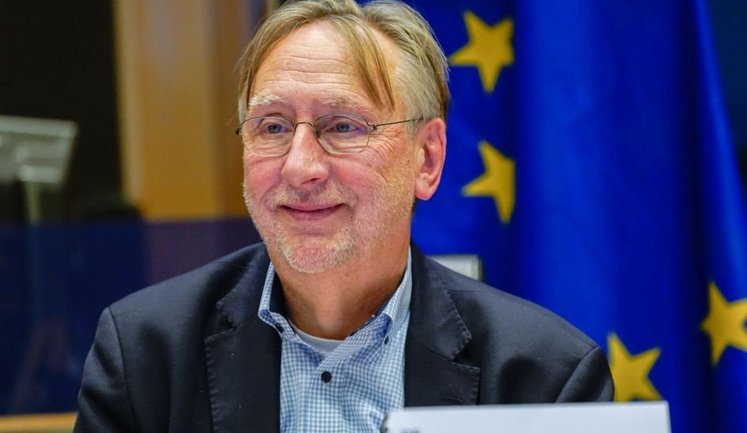
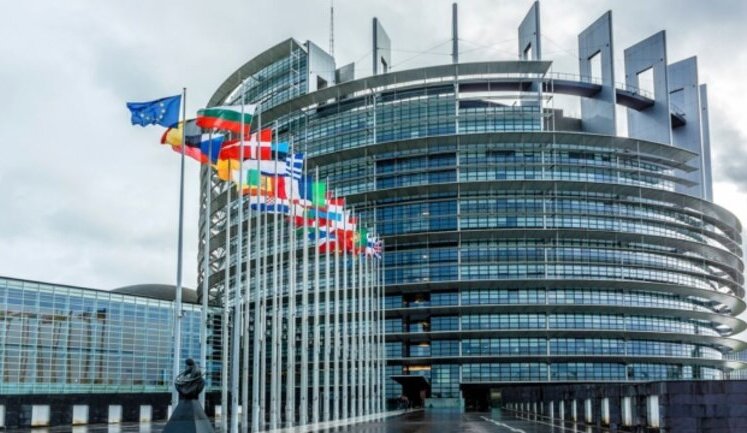
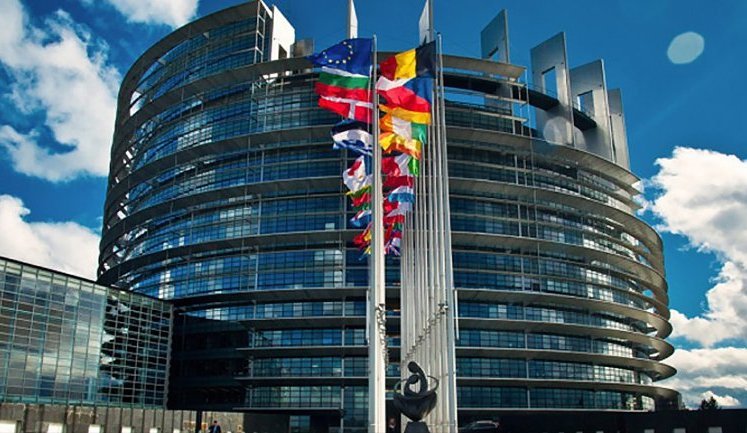
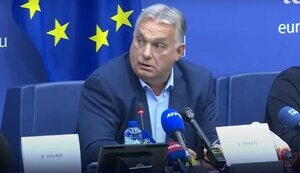
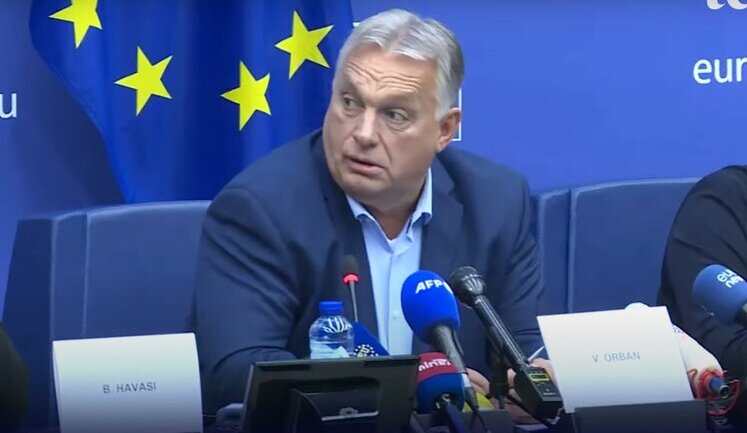
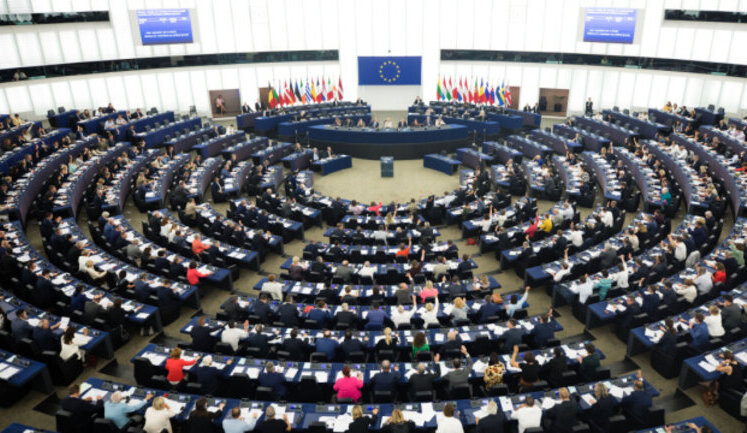
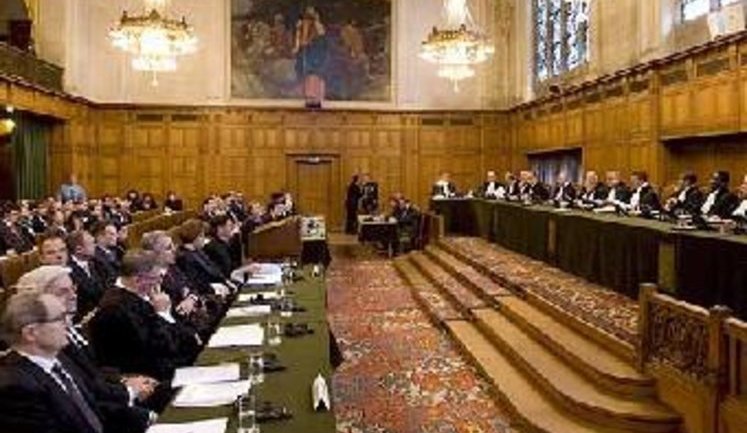
The European Parliament has voiced strong reactions to recent global developments. Bernd Lange, chair of the Committee on International Trade, criticized US President Trump's imposition of increased tariffs on European cars, labeling them unacceptable under international trade obligations. Meanwhile, in a significant move, the Parliament adopted a resolution to expedite the establishment of a Special Tribunal to address Russia's ongoing aggression against Ukraine, urging the EU to join efforts to ensure accountability. These actions highlight the European Parliament’s commitment to upholding international law and trade balance, while simultaneously addressing geopolitical conflicts and human rights violations.
What is the European Parliament's stance on US tariffs?
The European Parliament, through Bernd Lange, has criticized the US tariffs on EU cars as unacceptable. The criticism focuses on the violation of international trade obligations, despite the EU adhering to its commitments. This stance reflects the ongoing tension in EU-US trade relations, highlighting the need for balanced trade agreements and mutual respect for international trade rules.
Why does the European Parliament want a tribunal on Russian aggression?
The European Parliament seeks to establish a tribunal to address Russia's aggression against Ukraine to ensure accountability and justice. This move is part of broader efforts to respond to ongoing attacks on civilians and uphold international law. The tribunal aims to bring justice to victims and prevent further aggression, underscoring the EU's commitment to international peace and security.
What are the implications of European Parliament's resolution on Russia?
The resolution by the European Parliament has significant implications, including increased pressure on Russia for its actions in Ukraine. It calls for international cooperation to hold Russia accountable, potentially leading to diplomatic and economic consequences. The resolution reflects the EU's strategic approach to geopolitical stability and reinforces its role in global justice and human rights advocacy.
How do these decisions reflect on EU's international relations policy?
The European Parliament's stance on US tariffs and Russian aggression underlines its commitment to fair trade practices and international justice. These decisions are part of a larger strategy to uphold the EU's values of democracy, human rights, and rule of law. By addressing these issues, the EU seeks to strengthen its international relations framework and establish itself as a global leader in promoting stability and justice.
How might US-EU trade relations evolve after this criticism?
The European Parliament's criticism of US tariffs could strain US-EU trade relations, potentially leading to negotiations or retaliations. However, both parties may seek to resolve disputes through diplomatic channels to maintain beneficial trade ties. The outcome will depend on the willingness of both sides to address trade imbalances and adhere to international trade norms.