



On 30 April, European Parliament will vote on resolution regarding tribunal on Russian aggression, — media
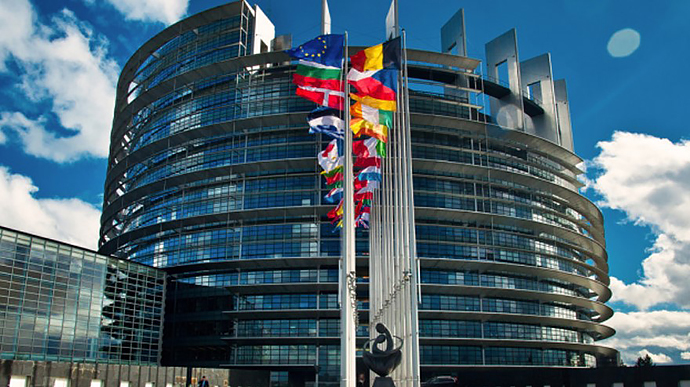
The European Parliament plans to vote on a resolution at its plenary session in Strasbourg on April 30 calling for the swift establishment of a Special Tribunal on the crime of aggression against Ukraine.
This was reported by Censor.NET with a link to "European Truth".
What is known
As noted, the European Parliament is drafting a resolution calling for the swift completion of the establishment of a special tribunal for Russian dictator Vladimir Putin. The vote on the resolution will take place on Thursday, April 30, from 1:00 p.m. to 2:00 p.m. Kyiv time.
The draft resolution titled "Ensuring Accountability and Justice in Response to Russia's Ongoing Attacks Against the Civilian Population in Ukraine," the text of which is available to this publication, states that "the European Parliamentsupports the EU’s signing of the Expanded Partial Agreement on the Special Tribunal for the Crime of Aggression against Ukraine with the aim of the EU becoming a full member of its steering committee."
The European Parliament also wants to call on all EU member states to join this agreement.
Stepping up efforts
In addition, MEPs plan to welcome the Netherlands’ commitment to host the first phase of the Special Tribunal and will call for intensified efforts to finalize the proposal regarding the location of the second phase.
"The European Parliament calls on the EU and its member states to continue supporting the establishment of a Special Tribunal on the crime of aggression against Ukraine and to bring it into operation as soon as possible," the draft resolution states.
The Parliament will also call on the European Commission "to ensure continued funding for the International Center for the Prosecution of Crimes of Aggression against Ukraine beyond December 2026 and to guarantee that the evidence gathered can be fully transferred to the future Special Tribunal."
"The European Parliament emphasizes that responsibility must extend to all those who have the ability to control or direct the crime of aggression, including the highest political and military leadership… Responsibility must also extend to the judges of the Constitutional Court of the Russian Federation and members of the State Duma, whose decisions sanctioned the annexation of Ukrainian territories," the document adds.
Special Tribunal on Russian Crimes
- On March 21, 2025, at the final meeting in Strasbourg, work was completed on the key legal documents for the establishment of a Special Tribunal on Russian War Crimes.
- In April, EU High Representative for Foreign Affairs Kaja Kallas stated that the European Union had concluded technical negotiations on establishing a special tribunal against Russia to punish the crime of aggression against Ukraine.
- Iryna Mudra, Deputy Head of the Office of the President, noted in May that the Special Tribunal on Russia’s crime of aggression against Ukraine could begin its work as early as next year.
- At its June meeting, the Committee of Ministers of the Council of Europe adopted key documents necessary for the establishment of a Special Tribunal to investigate crimes of aggression against Ukraine.
- On June 25, 2025, Ukrainian President Volodymyr Zelenskyy and Council of Europe Secretary General Alain Berset signed an agreement establishing a Special Tribunal to investigate the crime of aggression against Ukraine.
- The Russian Foreign Ministry stated that it would not recognize the Special Tribunal on Russia’s crime of aggression against Ukraine and warned third countries against joining it.
- On July 1, 2025, President Volodymyr Zelenskyy signed the documents to ratify the Agreement on the Establishment of a Special Tribunal on Russia’s Crime of Aggression against Ukraine.
- On July 15, 2025, the Verkhovna Rada ratified the Agreement with the Council of Europe on the establishment of a special tribunal to address the Russian Federation’s crime of aggression against Ukraine.


