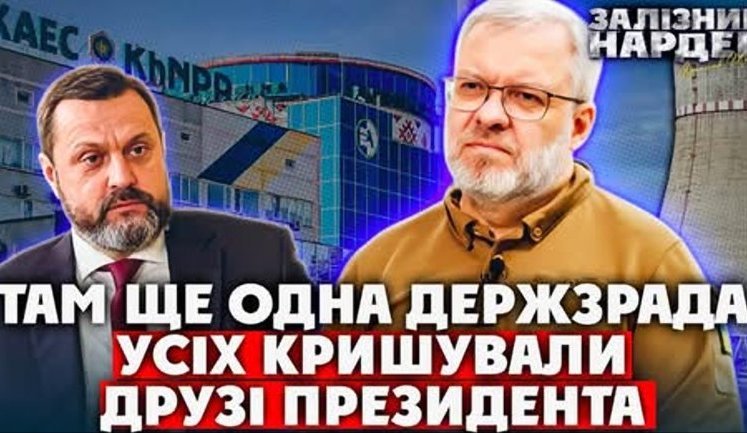
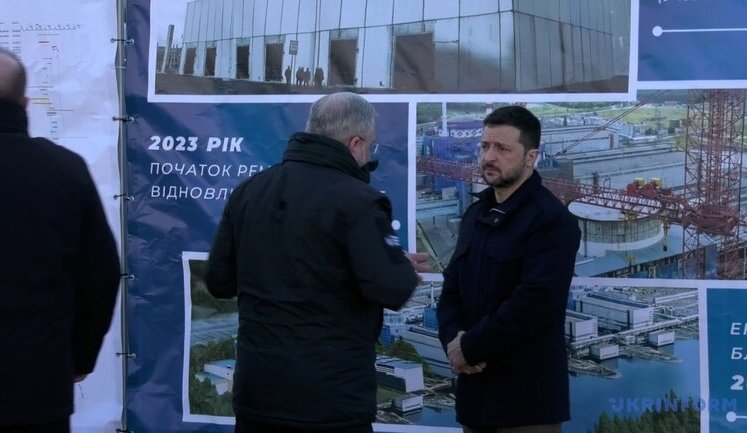
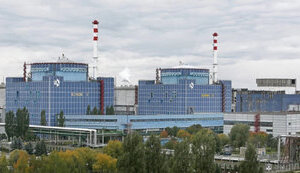
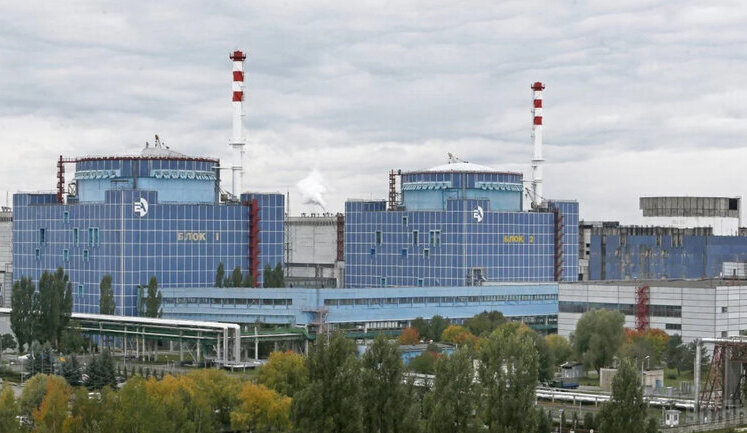
The Khmelnytskyi Nuclear Power Plant (NPP), an essential part of Ukraine's energy system, continues to face various challenges and developments. Amid efforts to acquire reactor units from Bulgaria, Ukrainian authorities have encountered both political pressure and opposition from various sectors, including parliament members. Compounding these challenges, military actions near the NPP have threatened its operational capacity, leading to forced output reductions due to damage from Russian shelling, according to the IAEA. Furthermore, allegations of corruption have surfaced, complicating the plant's operational stability. Despite these hurdles, Ukraine remains committed to expanding the NPP's capacity, viewing it as crucial for energy security and international cooperation in nuclear energy with partners like the US.
What are the recent developments regarding the Khmelnytskyi NPP?
The Khmelnytskyi NPP has been in the spotlight due to attempts to purchase reactor units from Bulgaria, pressure from the Presidential Office on parliamentary votes, and operational disruptions caused by military activities and alleged corruption.
How have military actions affected the Khmelnytskyi NPP?
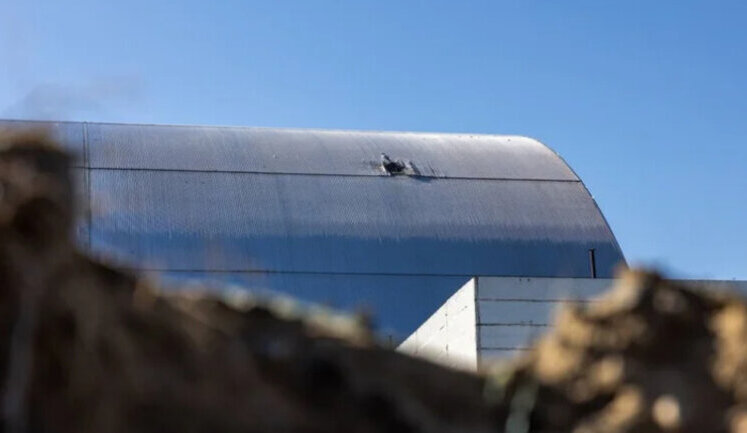
Military actions have significantly affected the Khmelnytskyi NPP, leading to damaged infrastructure and forced capacity reductions due to Russian shelling. These disruptions have impacted Ukraine's energy stability, prompting calls for military restraint from the IAEA.
What role does the IAEA play in the situation at Khmelnytskyi NPP?
The IAEA monitors the situation at the Khmelnytskyi NPP, reporting on operational disruptions due to military actions. The organization advocates for the completion of the NPP's construction and supports Ukraine's efforts for nuclear energy expansion.
What controversies surround the purchase of reactors for the Khmelnytskyi NPP?
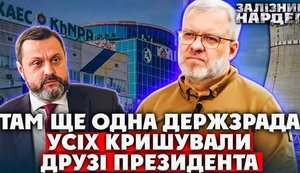
The purchase of reactors from Bulgaria has been contentious. While some Ukrainian parliament members faced pressure to support the purchase, others, like Yaroslav Zhelezniak, have disrupted plans citing political and operational concerns.
How is the US involved with the Khmelnytskyi NPP?
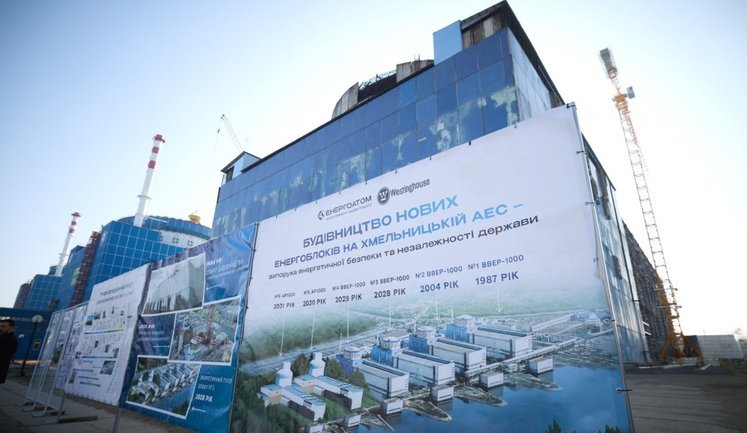
The US has shown interest in the completion of Khmelnytskyi NPP units 3 and 4, viewing it as an opportunity to enhance its nuclear fuel supply to Ukraine, thus strengthening bilateral cooperation in the energy sector.