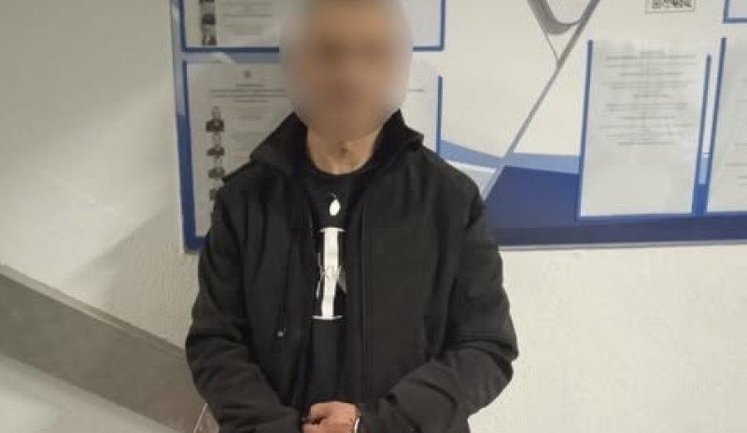
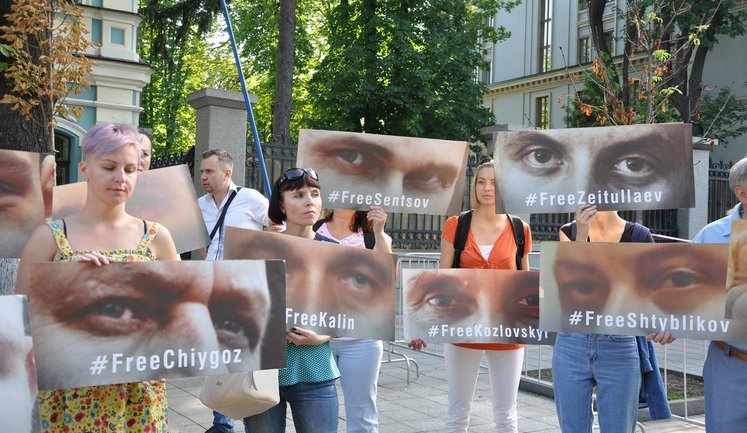
Ukrainian citizen Maksym Kharkin, from Donetsk, was freed by Hamas in a historic peace agreement with Israel, highlighting the importance of international cooperation. As hostages remain in Gaza and Russia, Dennis Lubinets urges for a global coalition for civilian hostage return. In ongoing conflicts, the issue of civilians held hostage by Russian-backed militants persists. Expert Dmytro Kuleba emphasizes the unprecedented nature of such crimes, while activist Oleksandra Matviychuk reports cases of Ukrainian children being held hostage. Efforts are urgently needed to address hostage situations in conflict zones.
What actions were involved in freeing Ukrainian hostages?
The release of hostages often involves complex diplomatic negotiations and the involvement of international bodies like the Red Cross to ensure safe passage. In Maksym Kharkin's case, his freedom was part of a broader peace agreement between Israel and Hamas, showcasing the critical role of diplomatic talks and international cooperation.
What measures are pushed to deal with hostage crises globally?
Authorities and experts such as Dennis Lubinets call for the creation of an international coalition to manage hostage crises. Such a coalition would unite global resources and diplomacy to negotiate releases, provide humanitarian aid, and exert pressure on entities holding civilians hostage.
Why is the hostage situation particularly severe in some regions?
In conflict zones like the Donbas region and the Gaza Strip, political and militant groups often use hostages as leverage in negotiations. The severity is compounded by regional conflicts, and support from larger entities like Russia often complicates swift resolution and negotiation success.
How are Ukrainian hostages in Russia impacting international relations?
The detention of Ukrainian hostages by Russia creates a significant strain on international relations, as it directly challenges agreements like the Minsk Protocol. These events require increased diplomatic efforts and international pressure to foster prisoner swaps and hostages' release.
What are possible diplomatic strategies to resolve hostage situations?
Diplomatic strategies to resolve hostage situations include multi-lateral talks involving UN bodies or third-party countries, negotiation of peace agreements, and swaps of political prisoners. Constant dialogue and strategic pressure on involved countries remain essential tools in resolving these crises.