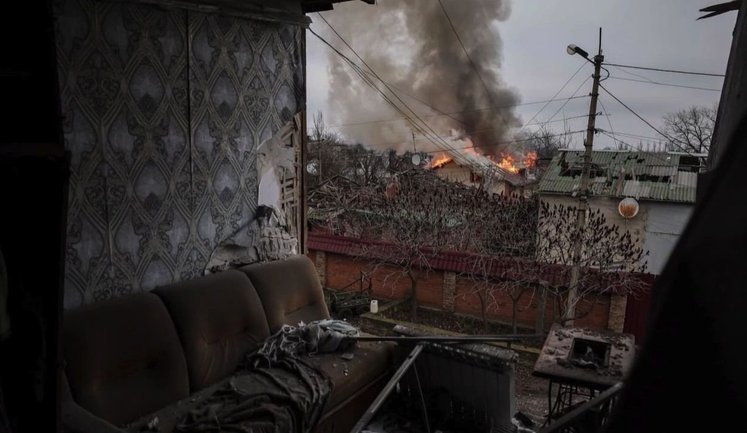
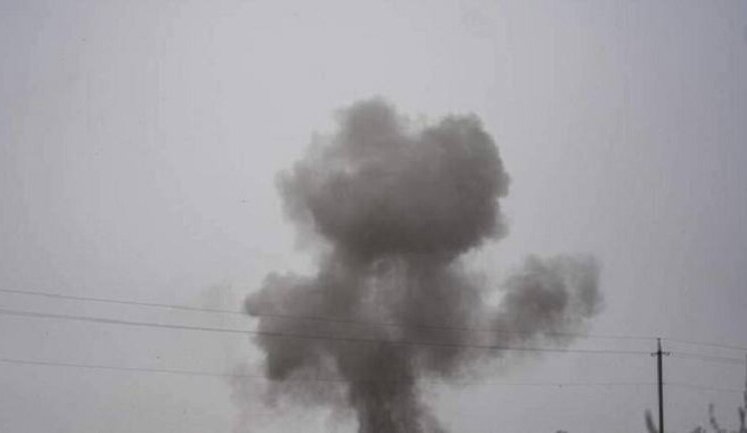
The city of Kostiantynivka in Ukraine's Donetsk region has been under sustained attack by Russian forces, with reports of daily bombardments causing widespread devastation. These strikes, which include the use of aircraft, drones, and artillery, have left not a single building intact. Recent footage from the 24th Mechanised Brigade highlights the extent of the destruction. The city's civilian population has suffered grievously, with numerous casualties reported in recent months, including deaths and injuries from various forms of attack, such as FPV drones and aerial bombs like the FAB-250. Critical infrastructure, including residential areas, churches, and gas pipelines, has been severely damaged, aggravating the humanitarian situation for those still residing in the area. The continuous shelling has made Kostiantynivka a focal point of conflict, drawing attention to the urgent need for international intervention.
What is the current situation in Kostiantynivka following the strikes?
Kostiantynivka is experiencing a dire situation as Russian military forces relentlessly attack the city. Continuous bombings and shelling have resulted in significant casualties among civilians and substantial damage to the city's infrastructure. Key facilities, including homes, churches, and even rescue stations, have been destroyed or compromised. Local authorities warn of an impending humanitarian crisis, as essential services are disrupted, and the city's population struggles with the aftermath of these attacks.
How have the recent strikes on Kostiantynivka affected civilian life there?
The strikes on Kostiantynivka have disrupted daily life completely. Residents are living in constant fear of bombings that have already resulted in deaths and injuries. Essential services, including electricity and gas, are frequently interrupted due to damage to infrastructure. With ongoing military aggression, many have fled the city for safety, while those remaining face a severe shortage of necessities, making everyday survival exceedingly difficult.
What types of weapons are being used in the strikes on Kostiantynivka?
Russian forces are employing a range of weapons to strike Kostiantynivka, including FAB-250 guided aerial bombs, FPV drones, and artillery systems like the Smerch MLRS. These attacks have targeted both residential areas and critical infrastructure, causing not only immediate destruction but also long-term damage to essential services and facilities within the city. The use of such diverse weaponry has intensified the impact on the civilian population and infrastructure.
What assistance is being provided to Kostiantynivka in response to the strikes?
Efforts to assist Kostiantynivka are ongoing, with local and international humanitarian organizations working to provide necessary aid to residents. Emergency services are tirelessly conducting rescue operations to save those trapped under rubble and deliver medical care to the injured. However, the constant threat and actual occurrence of shelling significantly hinder these efforts, exacerbating the struggles of aid delivery and disaster response in the area.
What international response has there been to the situation in Kostiantynivka?
The international community has expressed concern over the humanitarian impact of the strikes on Kostiantynivka. Calls for ceasefires and negotiations have been made to prevent further civilian casualties. Additionally, global organizations and Ukrainian allies are closely monitoring the situation, providing diplomatic support and potentially actionable aid to alleviate the suffering of Kostiantynivka's residents and restore peace in the region.
How do the strikes on Kostiantynivka relate to the wider conflict in Ukraine?
The strikes on Kostiantynivka are part of the larger conflict between Ukraine and Russia, illustrating the ongoing military operations exerted by Russian forces against Ukrainian territories. This particular targeting of Kostiantynivka highlights the intensity and continuing nature of the aggression, which is part of a broader strategy affecting regions throughout Eastern Ukraine, resulting in significant humanitarian and geopolitical ramifications.
What are the consequences of the strikes on Kostiantynivka's infrastructure?
The continuous shelling and airstrikes have severely damaged Kostiantynivka's infrastructure, including homes, schools, religious institutions, and essential utilities such as gas pipelines and electrical networks. This destruction undermines the city's functional capabilities and compromises the inhabitants' quality of life by disrupting access to critical resources and services necessary for daily living.
Is there a potential for escalation of conflict in Kostiantynivka?
The situation in Kostiantynivka remains volatile, with the potential for further escalation as military actions by Russian forces continue unabated. The sustained attacks increase the risk of broader regional instability, necessitating diplomatic efforts and potential peace negotiations to prevent further deterioration and to seek a resolution that will ensure the safety and security of the affected populations.