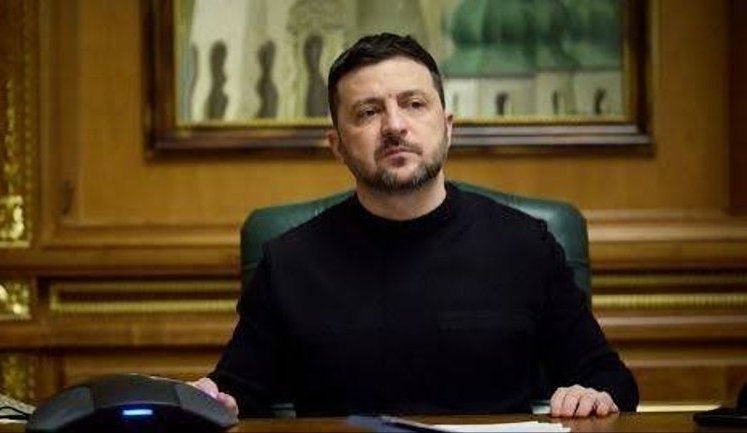
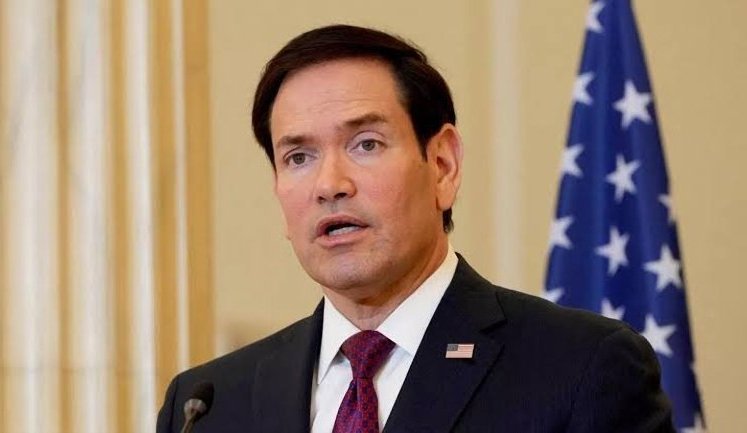
The United States has officially suspended intelligence sharing with Ukraine, citing ongoing tensions related to Kyiv's attacks on Russian oil refineries. This decision has sparked varied reactions, with some U.S. officials and allies like the EU and UK showing concern over potential impacts on Ukraine's military effectiveness. The White House remains non-committal about the long-term prospects of resuming intelligence support, leading Ukrainian authorities to seek alternative sources for critical data. This development significantly affects military operations and Ukraine's capability to defend against potential aggressions, raising questions about future geopolitical alignments and military strategies.
Why did the US suspend intelligence sharing with Ukraine?
The United States suspended intelligence sharing with Ukraine due to concerns over Kyiv's military strikes on Russian oil refineries. This decision aligns with geopolitical tensions and reflects a strategic review by the U.S. administration, aiming to reassess its role and support in the ongoing regional conflict. Ukrainian authorities and international observers are assessing the implications of this suspension on military and strategic operations.
How has the EU responded to the US halting intelligence sharing with Ukraine?
The EU, through its spokespeople, has reported no direct indications that the US has officially halted intelligence transfers. However, the European Commission acknowledges the situation's fluidity, evaluating potential impacts on regional security and the balance of international assistance to Ukraine. The EU's position reflects concerns over maintaining strategic support and coordination with the US and other allies.
Are there alternative intelligence-sharing options for Ukraine?
Faced with the suspension, Ukraine is actively exploring alternative intelligence-sharing channels. This includes discussions with European allies, especially France and the UK, which have shown willingness to support Ukraine's defense efforts. Ukraine also strategizes with internal partners to sustain its military capabilities without relying solely on US intelligence.
What are the implications of the US suspension of intelligence sharing for Ukraine's defense strategy?
The suspension of US intelligence sharing with Ukraine significantly impacts the Ukrainian military. It restricts access to crucial data that aids strategic planning and operational readiness. Consequently, Ukraine must adapt its defense strategy, potentially increasing reliance on domestic and European intelligence sources, thereby shaping future military and diplomatic engagements.
Has the United States considered resuming intelligence sharing with Ukraine?
US President Donald Trump suggested possible resumption of intelligence sharing with Ukraine. The decision remains under strategic review, contingent on evolving geopolitical dynamics and Ukraine's military engagements. Resumption would depend on reassessed strategic priorities, influencing future military support and cooperation with Ukraine.
What role does the UK play in intelligence sharing with Ukraine?
The UK continues to provide intelligence assistance to Ukraine. Despite US suspension, the UK endeavors to support Ukraine's defensive capabilities through intelligence and data analysis independent of US resources. Britain reassures its commitment to maintaining support for Ukraine's sovereignty and security against geopolitical threats.
What are Ukrainian authorities doing in response to the US intelligence sharing suspension?
In response to the US suspension, Ukrainian authorities are prioritizing development of alternative intelligence-sharing frameworks. They are strengthening alliances with European and global partners, evaluating domestic capabilities, and restructuring military strategies to ensure national security and defense readiness remains uncompromised.