Corruption in Ukraine remains a major concern as highlighted by recent events and surveys. Nigel Farage's statement expressing skepticism about British aid underscores international scrutiny. A KIIS poll reveals that 50% of Ukrainians are worried about governmental corruption and 72% hold President Zelenskyy accountable. Recently, NABU and SAPO charged an organized group with embezzling large sums at Kharkivoblenergo. Additionally, Ukraine's government approved measures allowing military personnel to report corruption without retaliation, suggesting progress in anti-corruption efforts. Meanwhile, new scandals and rising corruption levels challenge Zelenskyy's re-election prospects. A systemic governance crisis and manual control further complicate the situation, preventing Ukraine from achieving political stability and progress towards EU membership. Despite these challenges, ongoing anti-corruption investigations and proposed reforms demonstrate a critical commitment to curbing corruption.
How is corruption affecting international aid to Ukraine?
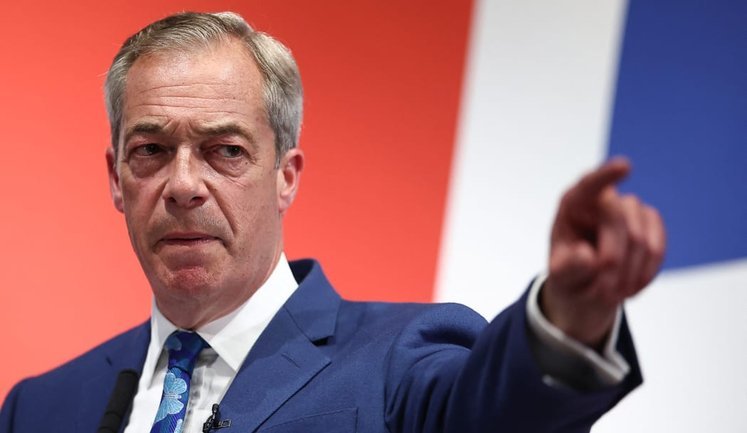
Nigel Farage's comments reflect concern about how British aid might be used, demonstrating the impact of Ukraine's corruption issues on international relations. This raises questions about accountability and the effectiveness of anti-corruption measures.
What recent developments highlight corruption issues in Ukraine?
Recent developments include trial proceedings against an organized group at Kharkivoblenergo for large-scale embezzlement and discussions in international and domestic arenas about corruption's impact on governance and international support. These highlight ongoing issues and investigations.
What do recent polls say about Ukrainian citizens' views on corruption?
Recent KIIS polls indicate that 50% of Ukrainians are primarily concerned about government corruption, with 72% attributing responsibility to President Zelenskyy. Additionally, 73% believe corruption has increased during the full-scale war, showing deep dissatisfaction among the populace.
What are the proposed solutions to reduce corruption in the Ukrainian military?
A recent government-approved bill allows servicemembers to report corruption in their units without facing retaliation. This aims to enhance transparency and accountability within the military, demonstrating commitment to addressing corruption issues institutionally.
How does corruption impact Ukraine’s EU membership aspirations?
Corruption is considered a significant obstacle to Ukraine's EU membership. EU countries have expressed doubts about fast-tracked accession, emphasizing the need for effective anti-corruption measures as a prerequisite for integration into European institutions.
What systemic issues contribute to corruption in Ukraine?
An acknowledged systemic governance crisis, characterized by manual control and entrenched interests, hampers anti-corruption efforts and governance in Ukraine. Reforming these systems and enhancing rule of law are vital to reducing corruption and improving governance.
How are international perceptions of corruption in Ukraine impacting its reputation?
International figures, such as Mike Waltz and foreign media, criticize Ukraine's corruption levels, portraying it as one of the most corrupt nations worldwide. These perceptions can deter foreign investment and aid, stressing the need for genuine reform efforts and transparency.