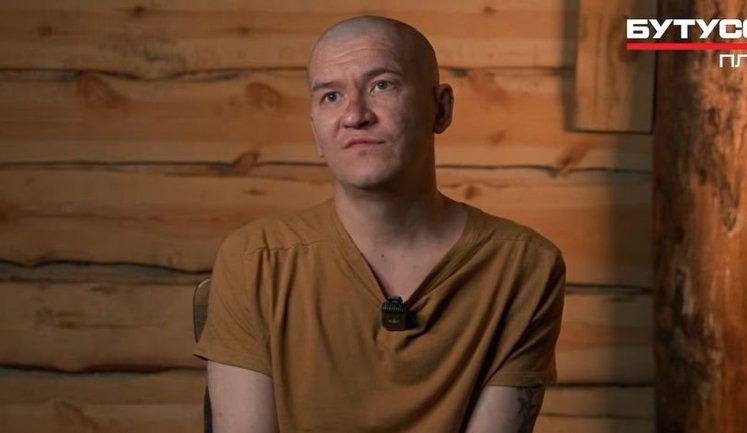
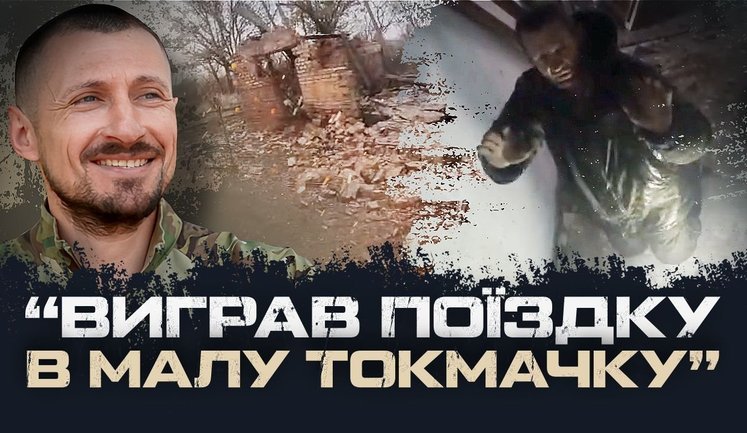
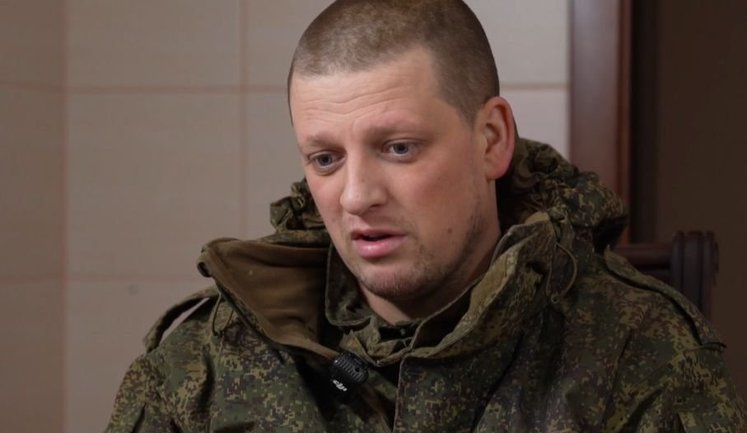
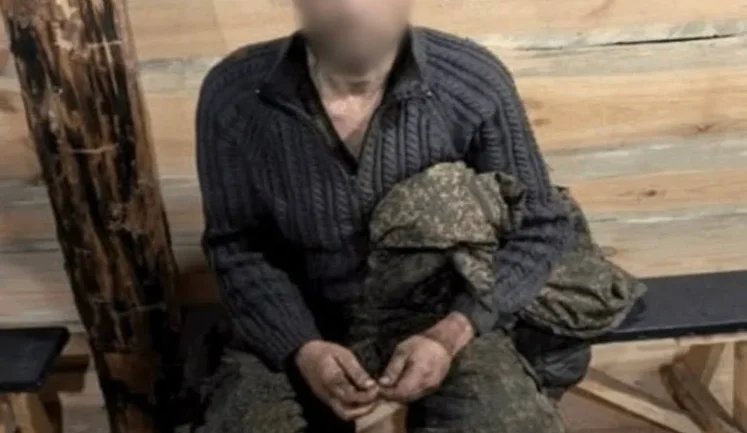
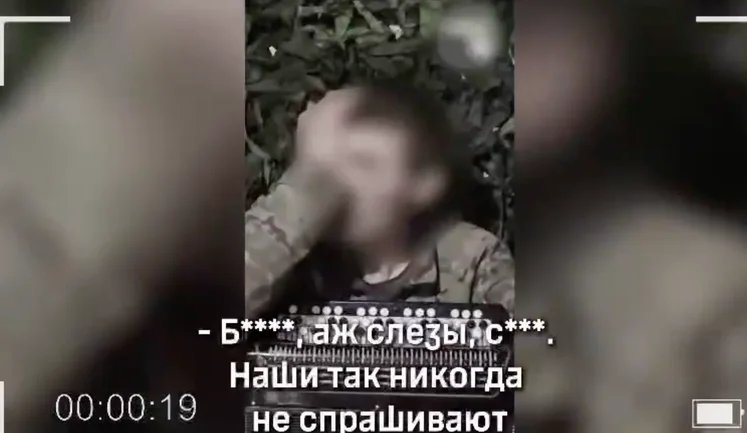
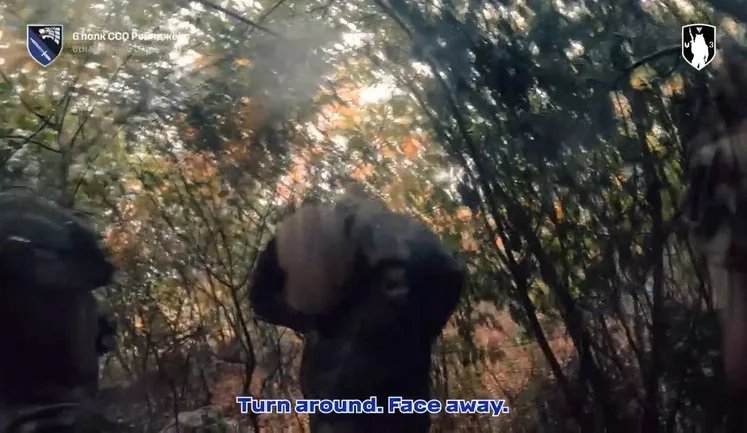
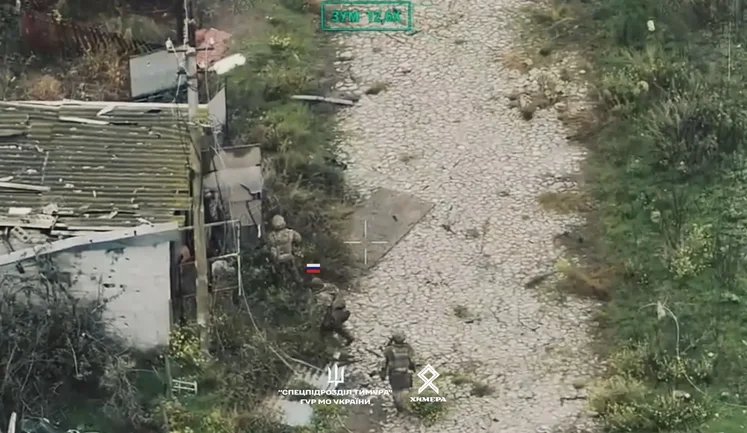
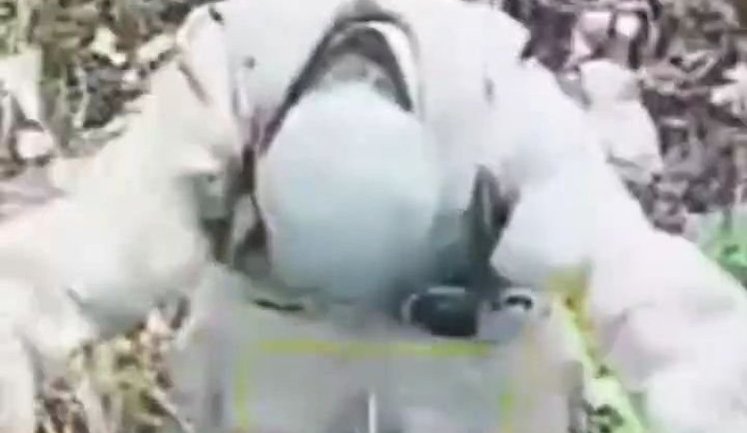
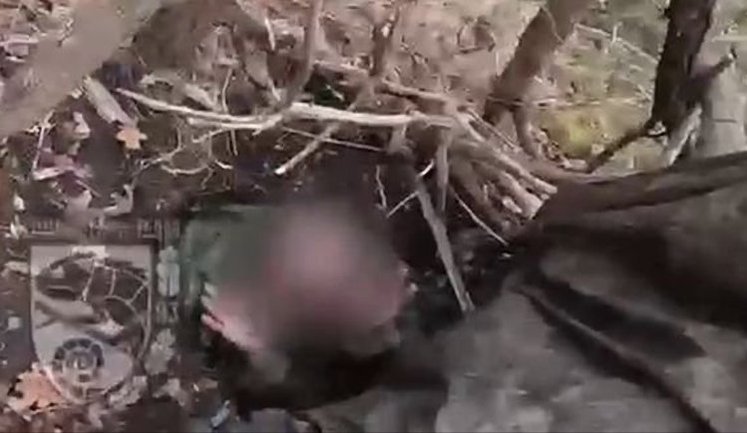
Recent operations by Ukrainian military forces have resulted in capturing significant numbers of Russian occupiers across various sectors including Donetsk and Lyman. The 'Ultima Ratio' Special Purpose Reconnaissance Unit led a successful operation in the Donetsk region, capturing three occupiers and enhancing Ukraine's control over vital areas. Meanwhile, in a unique move, drones have been employed effectively, as seen in Kharkiv, where they helped recognize and capture prisoners. The 225th Assault Regiment set a record by capturing 64 occupiers in the Zaporizhzhia sector. The use of technology and human intelligence by Ukrainian forces not only ensures success on the tactical front but also influences the strategic outcomes in these key zones.
How are Ukrainian forces capturing occupiers in conflict zones?
Ukrainian forces employ a combination of human intelligence, technology, and tactical warfare to capture occupiers. Special operations often utilize drones equipped with loudspeakers and other advanced features to locate and secure prisoners effectively.
What role do drones play in capturing Russian occupiers?
Drones play a crucial role in locating and capturing Russian occupiers. They provide reconnaissance, deliver commands via loudspeakers, and sometimes assist in operations without direct human confrontation, minimizing risks to personnel while maximizing control over the engagement area.
What is the impact of these operations on Ukrainian military strategy?
The capture of occupiers significantly boosts Ukrainian military morale and provides valuable intelligence that shapes subsequent strategic decisions. It also serves as a psychological tool, disrupting enemy operations and bolstering Ukraine's negotiating power in prisoner exchanges.
Are there notable operations resulting in multiple captures?
Several operations have resulted in numerous captures; for instance, the 225th Assault Regiment captured 64 occupiers in the Zaporizhzhia sector. These operations often involve complex coordination between ground forces and technological support systems to achieve their objectives efficiently.
How does public perception in Ukraine view these captures?
Public perception in Ukraine generally views these captures positively, as they demonstrate the effectiveness of Ukrainian forces and bring hope of a strategic advantage in ongoing conflicts. Such operations are often highlighted in media reports, boosting national morale and reinforcing support for the armed forces.
What are the ethical considerations in these operations?
Operations adhere to international humanitarian laws, ensuring humane treatment of captives. Captured soldiers are typically provided adequate care and reported through proper channels, aligning with global standards for prisoner rights and ethical engagements during conflicts.
How do captured occupiers affect the overall conflict dynamic?
Capturing occupiers shifts the conflict dynamic by depleting enemy resources and providing intelligence that can lead to preemptive actions against future incursions. It disrupts enemy tactics, demoralizes opposing forces, and potentially hastens conflict resolution through strategic prisoner exchanges.
What technological advances are employed in capturing operations?
Technological advances include the use of drones, loudspeaker equipment for psychological operations, and advanced reconnaissance systems. These tools enhance situational awareness and enable precise, low-risk captures of enemy personnel, showcasing Ukraine's adaptation to modern warfare needs.
How do these operations influence Belarus or Transnistria regions?
While primarily focused on the eastern front, these operations indirectly influence regional dynamics, deterring allied actors such as Belarus or Transnistria from aggressive moves by showcasing Ukraine's capabilities and resilience. Such strategic victories echo beyond immediate borders, highlighting Ukraine's regional strength.