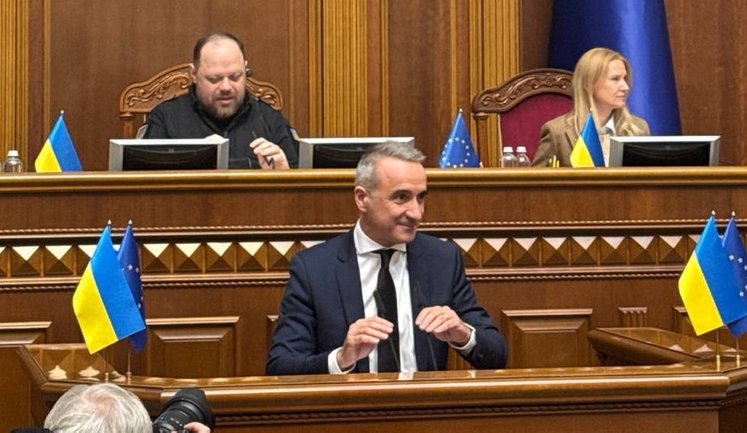
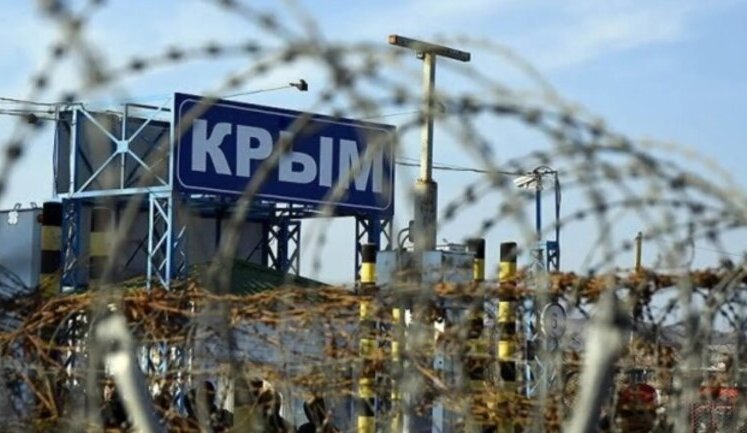
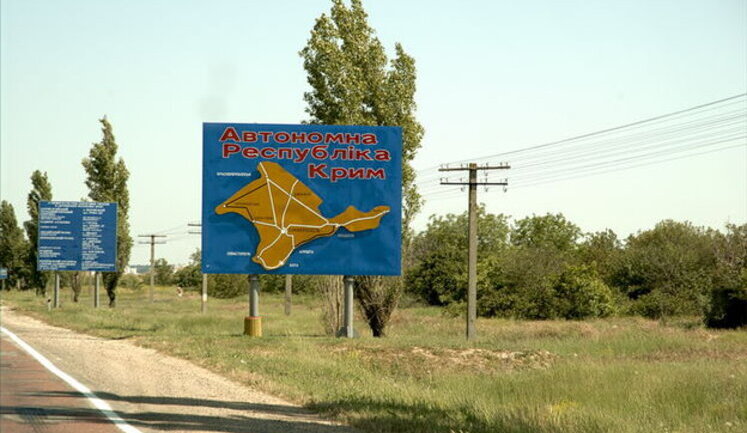
The status of Ukrainian Crimea remains a pivotal issue in international relations as of 2025. OSCE President Pere Juan Pons Sampietro emphasized the sovereignty of Ukraine over Crimea in a recent Verkhovna Rada address, advocating for the release of detained OSCE representatives. Controversy arose at a UN event in Geneva when Ukrainian Crimea was inaccurately shown as part of Russia, prompting a quick correction. Amidst suggestions from international leaders like US President Donald Trump for Ukraine to cede Crimea, Ukrainian President Volodymyr Zelenskyy firmly rejected such ideas, citing constitutional imperatives. With the lack of necessary military resources acknowledged by Zelenskyy, the retaking of Crimea remains complex. France's President Macron and NATO dynamics further complicate discussions, as Crimea's status poses potential diplomatic crises. This geopolitical friction underscores the significance of Crimean representation in global forums and continues to shape Ukraine's foreign policy and aspirations.
What is the international community's stance on Crimea in 2025?
The international community remains divided on Crimea in 2025. Some leaders, like OSCE's Sampietro, affirm Ukraine's sovereignty over Crimea and demand respect for human rights. Conversely, figures such as US President Trump suggest recognizing Crimea as part of Russia. The issue continues to affect international diplomacy, especially within NATO and EU relations.
How did Ukraine respond to territorial misrepresentation at a UN event?
In 2025, a UN event in Geneva displayed Crimea as part of Russia, which was promptly corrected after Ukraine's delegation pointed out the error. This incident highlights the ongoing challenge of ensuring accurate territorial representation in international forums to reflect Ukraine's sovereignty claims over Crimea.
What did President Zelenskyy say about Crimea's status and Ukraine's constitution?
President Zelenskyy of Ukraine has firmly stated that discussing territorial concessions, including Crimea, is unconstitutional and unacceptable. His position reflects Ukraine's strong stance on maintaining its territorial integrity and resisting any pressure to recognize Crimea as part of Russia, despite various international suggestions.
What are the implications of Crimea's status on NATO relations in 2025?
The status of Crimea significantly impacts NATO relations in 2025, with potential to create diplomatic tensions. Some leaders propose recognizing Crimea's Russian affiliation, posing a predicament for NATO countries committed to Ukraine's sovereignty. This issue could strain alliances within NATO, as member states must balance pressures from the US and Ukraine.
How has the geopolitical conflict affected Ukraine's international goals?
Ukraine's geopolitical conflict over Crimea has reinforced its focus on international integration, aiming for EU and NATO memberships. These strategic goals are driven by a desire for security and economic growth, countering Russian aggression and solidifying Ukraine's position on global stages. However, Crimea remains a significant hurdle.