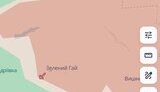
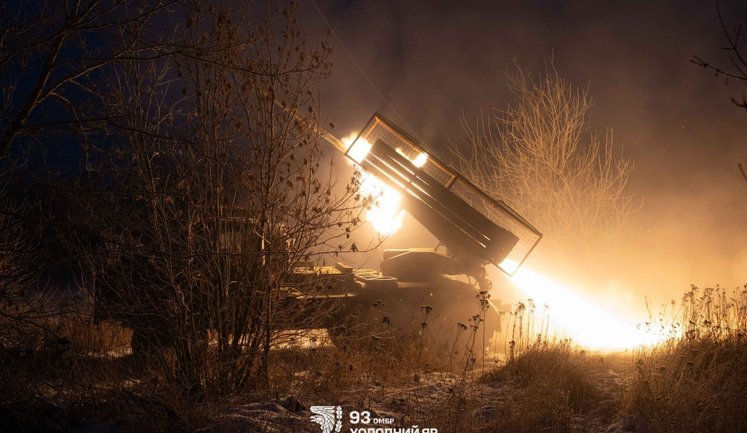
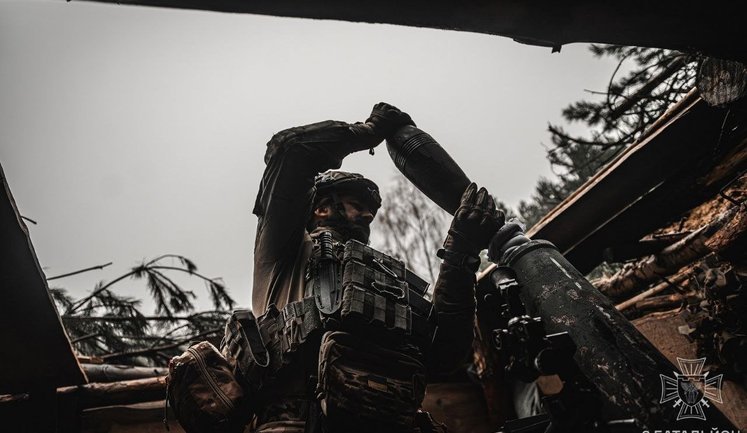
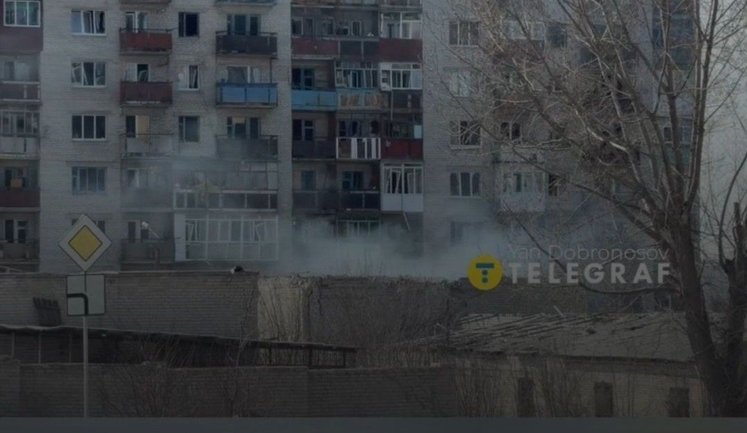
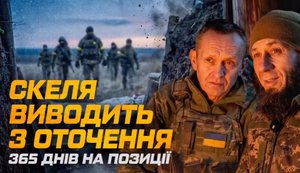
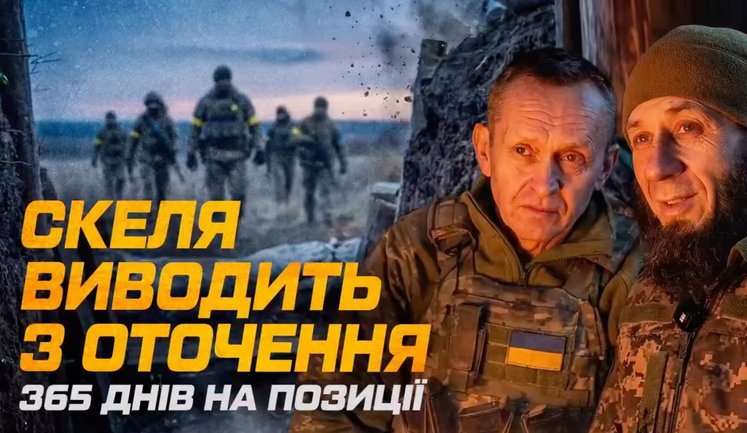
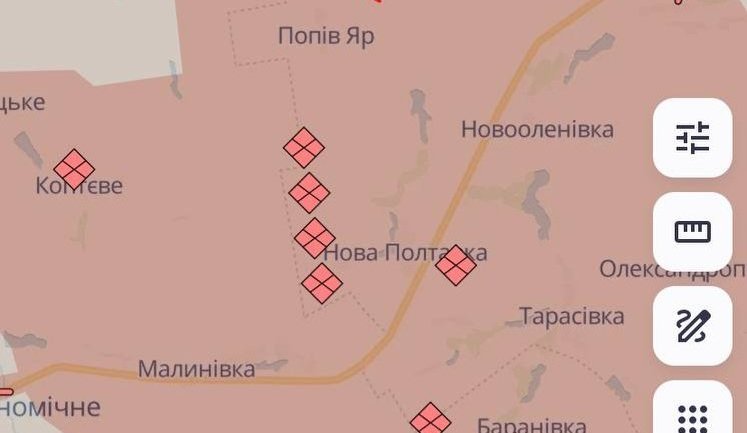
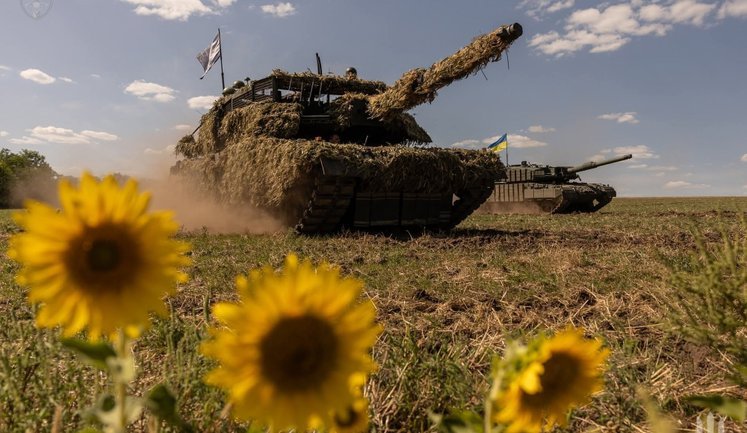
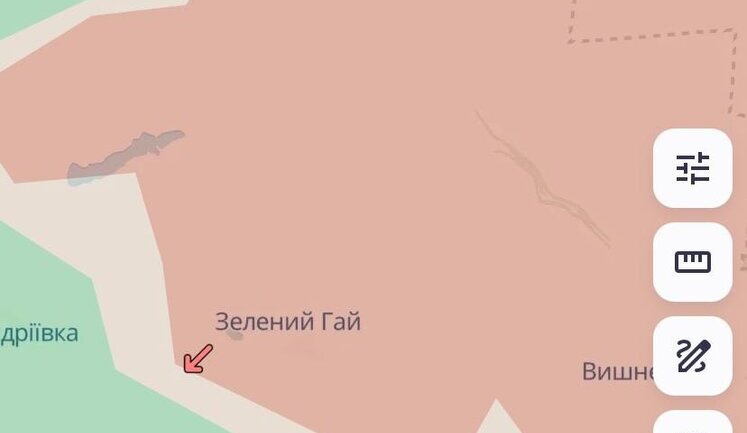
The Kramatorsk direction in the Donetsk region remains a focal point of intense military activity. In Minkivka, ongoing battles reveal continuous deployment of Russian artillery, KABs, and MLRS. The settlement of Druzhkivka endures constant shelling, leaving residents without basic utilities such as electricity and gas. The Defense Forces of Ukraine are pushing back Russian advances in strategic areas including Berezove and Zakitne, despite confrontations in surrounding locales like Klynove and Sloviansk's northern outskirts. Notable action by the Ukrainian 425th Separate Assault Regiment successfully extracted encircled soldiers after a year, illustrating resilience amidst the precarious conditions. This ongoing situation underscores the complexities and challenges faced by military and civilian actors in the Kramatorsk direction.
What areas in the Donetsk region are impacted by recent fightings?
Recent fightings have significantly impacted areas in the Donetsk region, including Minkivka, Druzhkivka, and Zakitne. These locations serve as hotspots of military engagement, with continuous shelling and artillery activity affecting civilian lives and infrastructure. Moreover, strategic positions remain contested, underscoring the importance of this region in the ongoing conflict dynamics.
How is Druzhkivka affected by its proximity to the front line?
Druzhkivka, situated only 13 kilometers from the front line, experiences severe hostilities. The area is under constant shelling, leaving the town without essential services such as electricity and gas. The difficult living conditions underscore the challenges faced by the civilian population in such conflict zones, emphasizing the need for humanitarian support and conflict resolution.
What role do Ukrainian Defence Forces play in the Kramatorsk direction?
Ukrainian Defence Forces play a critical role in the Kramatorsk direction by engaging in defensive and counter-offensive operations. They have successfully repelled enemy advances in regions like Berezove and Zakitne and have maintained control over strategic settlements like Maiske and Markove. Additionally, they conduct operations to extract encircled personnel, demonstrating resilience and strategic acumen in this ongoing conflict.
What challenges do Ukrainian forces face in regions like Zakitne?
In regions like Zakitne, Ukrainian forces face the challenge of countering Russian infiltration tactics, including the use of favorable terrain such as frozen riverbeds. Despite ongoing pressure, Ukrainian troops remain vigilant and strive to maintain territorial integrity. The strategic importance of these areas, combined with complex geographical conditions, presents continuous tactical challenges for defense operations.
How does the conflict in the Kramatorsk direction affect civilian populations?
The conflict directly affects the civilian populations in the Kramatorsk direction by disrupting daily life and infrastructure. Constant shelling and artillery fire create unsafe living conditions, while the loss of essential utilities exacerbates hardships. The proximity to active combat zones poses significant risks, leading to displacement and the need for humanitarian assistance. Efforts to stabilize and support these communities are crucial amid ongoing military engagements.
What does the involvement of the 425th Separate Assault Regiment signify in this conflict?
The involvement of the 425th Separate Assault Regiment signifies a key operational component in the Kramatorsk direction. Their successful extraction of encircled personnel after prolonged isolation demonstrates the regiment's expertise and commitment. Such operations highlight the complexities of providing sustained support and logistics in conflict zones, reflecting the broader challenges faced by Ukrainian forces in maintaining resilience and operational integrity.
What is the strategic significance of the Kramatorsk direction in the ongoing conflict?
The Kramatorsk direction holds strategic significance due to its geographical location within the Donetsk region, influencing both military operations and territorial control dynamics. It serves as a critical axis for troop movements and logistic supply lines, making it a focal point for both offensive and defensive strategies. The intense combat activities underscore its importance as a contested region, directly impacting broader conflict resolutions and military objectives.
How have Russian military strategies evolved in the Kramatorsk direction?
Russian military strategies in the Kramatorsk direction have evolved by leveraging artillery, KABs, and MLRS to exert pressure and gain tactical advantages. There's increased reliance on infiltration maneuvers, exploiting geographical conditions like frozen riverbeds for surprise offenses. The fortification and advancement efforts, coupled with dissemination of false capture claims, suggest a complex approach aimed at destabilizing Ukrainian control and affecting public perception.
What are the ongoing efforts to maintain control in contested regions like Minkivka?
Ongoing efforts to maintain control in contested regions like Minkivka involve strategic deployment of military resources and coordinated operations by Ukrainian Defence Forces. Despite aggressive Russian artillery and shelling, Ukrainian forces continue to conduct counter-offensive actions, push back infiltrations, and secure territorial integrity. These efforts are crucial in preventing further escalations and mitigating impacts on local civilian populations.
How have recent developments influenced the military balance in the Donetsk region?
Recent developments have involved intensified combat activities, influencing the military balance in the Donetsk region. Ukrainian forces actively counteract Russian advances through tactical operations and defensive strategies. Despite the increased pressure, areas like Berezove and the vicinity of Minkivka remain sites of strategic engagement, demonstrating the resilience of Ukrainian Defense Forces. This balance continuously evolves shaping the broader conflict dynamics.