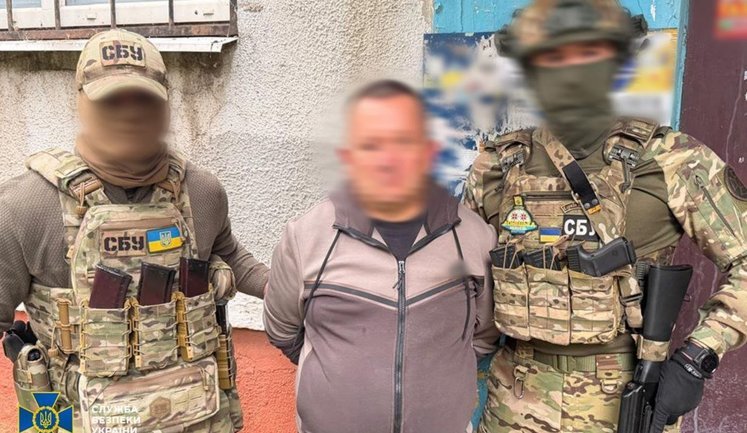
The Security Service of Ukraine (SSU) has been actively detaining individuals recruited as FSB agents across various regions. A recent case involved a local woman in Kherson who coordinated Russian strikes from her garden. Simultaneously, a GRU agent was caught near Kharkiv setting up explosive caches for terrorist attacks. In Kramatorsk, a taxi driver aiding Russian military targeting was exposed. The SSU's efforts highlight the widespread recruitment by Russian intelligence, involving diverse individuals from unemployed locals to military officers recruited via dating sites. Continuous vigilance by law enforcement prevents damage and protects Ukrainian security.
How does the SSU detect Russian agents in Ukraine?
The SSU employs advanced counter-intelligence techniques, leveraging surveillance, informant networks, and cooperation with local law enforcement. Their detailed monitoring and information gathering enable timely intervention to neutralize threats posed by recruited FSB agents operating in Ukraine.
What is the impact of Russian agents on Ukrainian security?
Russian agents in Ukraine aim to destabilize security by coordinating strikes, engaging in sabotage, and conducting espionage. Their activities threaten both military and civilian infrastructure, thereby affecting national security. The SSU's efforts to neutralize these threats are crucial to maintaining stability.
What actions are taken against captured FSB agents?
Captured FSB agents in Ukraine face legal proceedings, with many receiving lengthy prison sentences. For instance, agents involved in sabotage or attacks receive substantial terms, often accompanied by property confiscation, reflecting the seriousness of their crimes against national security.
Why are local Ukrainians recruited as FSB agents?
Local Ukrainians may be recruited by the FSB due to vulnerabilities like financial desperation, disillusionment, or manipulation. The FSB targets diverse societal elements, from unemployed individuals to professionals, exploiting their circumstances to further Russian intelligence objectives in Ukraine.
What measures can prevent recruitment by the FSB?
Preventing FSB recruitment involves strengthening community awareness, enhancing security protocols, promoting patriotism, and providing support systems for vulnerable individuals. Comprehensive education on the dangers of espionage and the implications of betraying national interests is vital for deterrence.
How significant is the threat of FSB operations in Ukraine?
The threat of FSB operations in Ukraine is significant, impacting military operations and civilian safety. These intelligence efforts aim to undermine Ukrainian defense capabilities, necessitating rigorous counter-intelligence actions by the SSU to protect national sovereignty and security.
How are Russian agents prosecuted in Ukraine?
Russian agents captured in Ukraine are prosecuted under Ukrainian law, facing trials that often result in lengthy imprisonment. The judicial process ensures that those involved in espionage or sabotage activities are held accountable, thus reinforcing national security and legal deterrence.
What kind of training do FSB agents receive?
FSB agents typically undergo extensive training in surveillance, covert operations, and manipulation techniques. Their training enables them to operate effectively in hostile environments, infiltrate infrastructures, and execute espionage missions, posing significant challenges to national security forces.
Are there specific areas in Ukraine targeted by FSB espionage?
FSB espionage often targets strategic locations such as military bases, industrial facilities, and urban centers in Ukraine. The intent is to disrupt military logistics, gather strategic information, and support Russian military operations through informed strikes and sabotage, as exposed by SSU interventions.
What role do international allies play in countering FSB activities?
International allies support Ukraine in countering FSB activities through intelligence sharing, technical assistance, and collaborative security efforts. This international cooperation enhances Ukraine's ability to detect, monitor, and thwart espionage activities, thereby strengthening regional security.