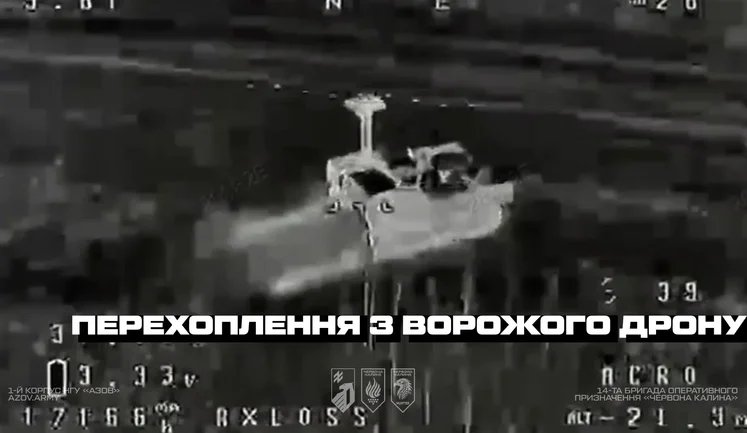
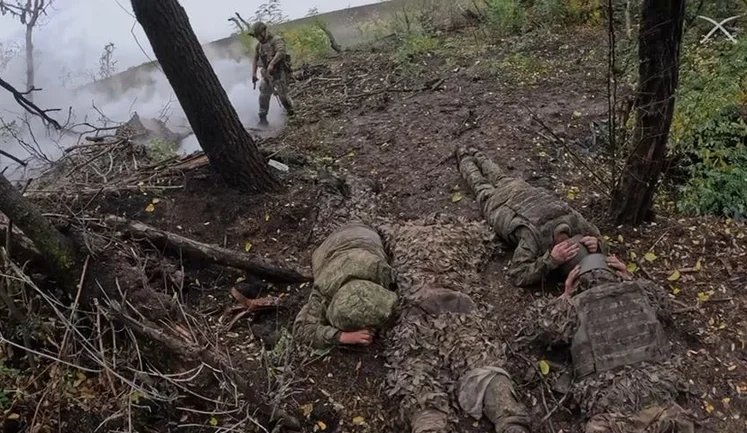
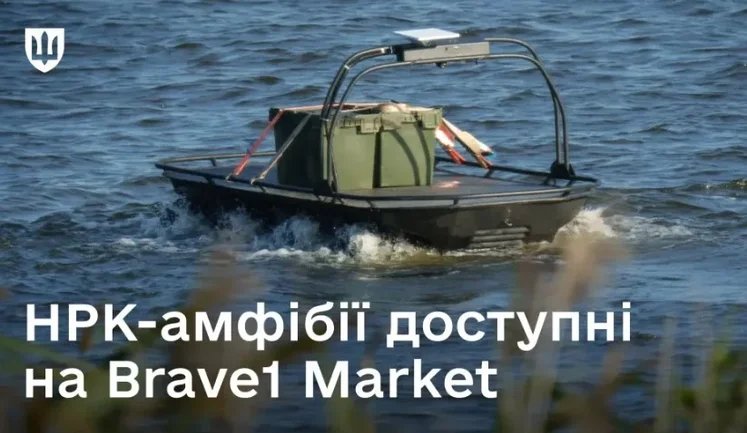
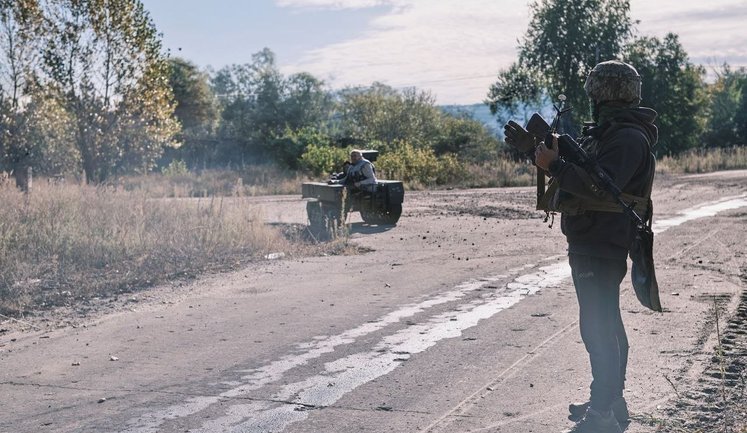
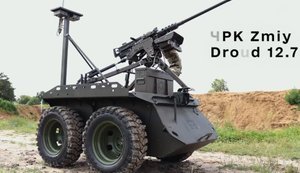
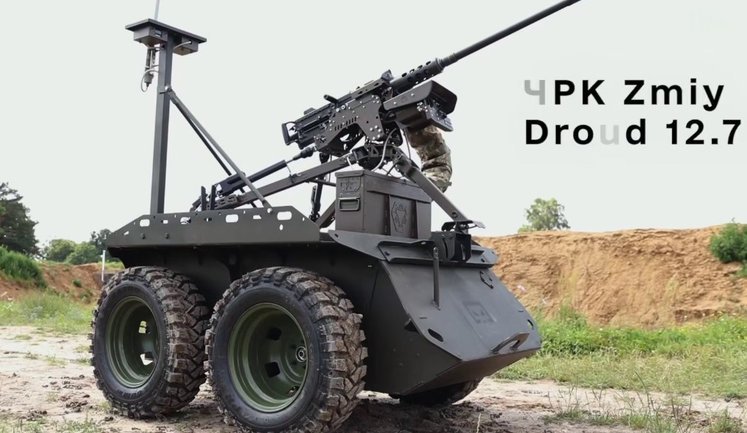
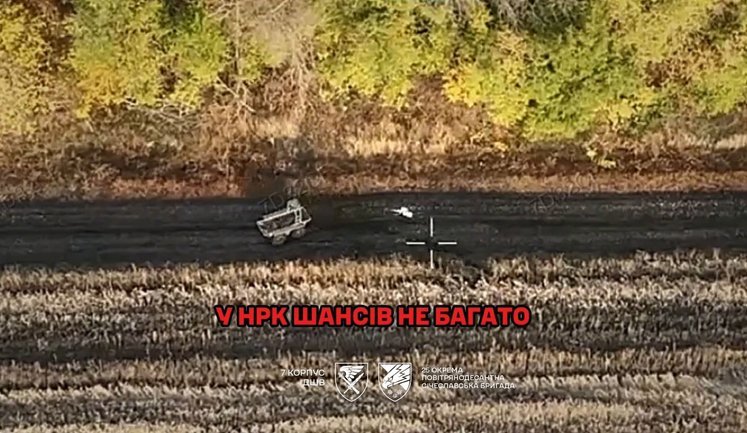
Unmanned Ground Vehicles (UGVs) are revolutionizing warfare, proving critical in operations for the Ukrainian Defense Forces. These robotic systems are increasingly used across various missions, from logistics to offensive operations. Recently, soldiers of the NC13 unit employed upgraded UGVs with grenade launchers against enemy positions, showcasing their tactical versatility. The 3rd Army Corps broke new ground by using remote-controlled demining vehicles in offensive actions. Moreover, logistical advancements have been spotlighted, with UGVs successfully covering extensive distances, such as the amphibious prototype's first 40 km mission. These innovations underline the burgeoning role of unmanned systems, emphasizing their crucial contribution to modern military strategies.
How are Unmanned Ground Vehicles (UGVs) utilized in combat scenarios?
Unmanned Ground Vehicles (UGVs) are utilized across diverse combat scenarios, including logistics, direct combat, and rescue missions. They have been employed in offensive operations like the NC13 unit's grenade launcher-equipped assaults on enemy positions and the 3rd Army Corps' demining activities. Additionally, UGVs support logistical tasks, such as transportation and supply delivery in hazardous environments, enhancing operational efficiency and safety for military personnel.
What technological innovations have been made in Unmanned Ground Vehicles?
Recent technological innovations in Unmanned Ground Vehicles include the development of amphibious UGVs capable of traveling over land and water for logistical missions. Enhanced robotics systems with grenade launchers for offensive actions, and remote-controlled demining vehicles highlight ongoing advancements aimed at increasing versatility and effectiveness in military applications. These innovations are contributing to an evolving battlefield strategy, where unmanned systems increasingly play pivotal roles.
How have UGVs impacted logistics within military operations?
Unmanned Ground Vehicles have significantly impacted military logistics by enabling safe and efficient transport of supplies in combat zones. They can undertake missions previously requiring human presence, minimizing risks to personnel. For instance, teams have conducted over 16,600 missions involving logistics and evacuations using UGVs in challenging settings. Their ability to operate in high-risk areas ensures timely support, maintaining operational continuity with reduced personnel vulnerabilities.
What role did UGVs play in the "Vivaldi" offensive operation?
In the "Vivaldi" offensive operation, UGVs played a crucial role by forming part of a coordinated assault strategy. The 3rd Army Corps effectively utilized remote-controlled demining vehicles, while soldiers from the NC13 unit deployed advanced UGVs equipped with grenade launchers to strike enemy positions. These actions highlighted the strategic advantage UGVs offer in modern warfare, providing firepower and support in hostile environments while safeguarding military personnel.
How is the development and deployment of UGVs being supported in Ukraine?
Ukraine is actively advancing the development and deployment of UGVs through various initiatives, including significant procurement and manufacturing efforts. Agreements have been made for joint production with international partners, such as Germany, where the "Termit" UGVs will be manufactured. Additionally, the Ministry of Defense has announced substantial procurements to integrate UGVs into their operational framework, reflecting a strategic commitment to enhancing military capabilities with cutting-edge technologies.
Can you describe a notable rescue operation involving UGVs in Ukraine?
One notable rescue operation involving UGVs was conducted by soldiers of the 66th Mechanised Brigade. This operation featured UGVs successfully evacuating four wounded soldiers from a high-risk area in a single day. Such operations underscore the versatility and essential role of UGVs in life-saving missions, providing a means to safely extract personnel from combat zones without exposing additional troops to danger, thereby revolutionizing emergency response methodologies on the battlefield.