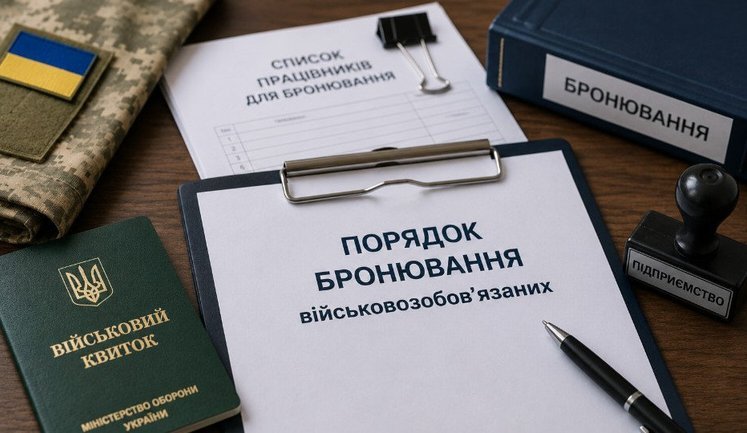
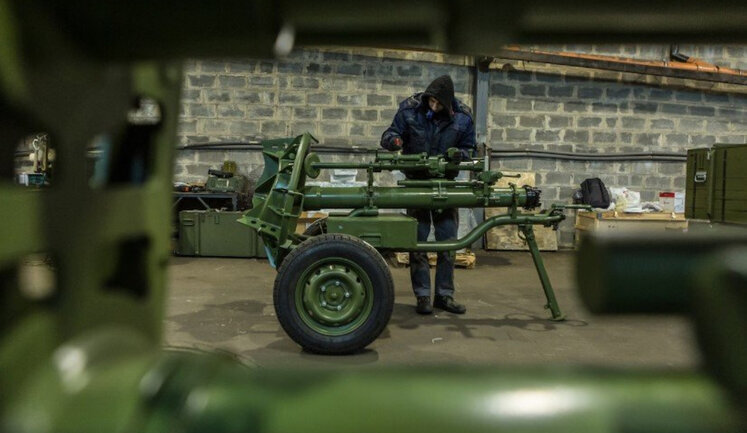
The Ministry of Economy in Ukraine is imposing stricter audits, which may lead to 10-15% of businesses losing their 'critically important' status. This shift in policy comes amid ongoing discussions around mobilization exemptions, especially concerning defense industry workers. The Ukrainian Council of Defence Industry strongly opposes the proposed reduction in exemption quotas from 100% to 85%, citing potential adverse effects on specialist availability and production. Furthermore, the government is working on a new mobilization and reservation system intended to provide more predictable pathways for companies in managing workforce mobilisation. This reform, scheduled to be completed by December 1, aims to balance military needs with economic stability, ensuring critical enterprises maintain essential personnel.
How will changes to mobilization exemptions affect Ukrainian businesses?
The Ministry of Economy predicts that stricter criteria could result in 10-15% of businesses losing their critically important status. This could impact their ability to retain staff exempt from military service, posing challenges for maintaining operational efficiency and meeting demand. It emphasizes the delicate balance between military readiness and economic stability in Ukraine's current socio-political climate.
What are the new rules regarding defense industry mobilization exemptions?
The government has proposed lowering the defense industry mobilization exemption quota from 100% to 85%, despite opposition from NAUDI. This change is aimed at ensuring a more equitable distribution of responsibilities across sectors, aligning resource allocation with the nation's defense needs while attempting to sustain defense production capabilities.
How are critical enterprise designations being handled under new mobilization rules?
Critical enterprise designations are now subject to more rigorous audits, with some companies facing the prospect of losing their critical status. This comes amid finalization of changes that limit 100% workforce mobilization exemptions to businesses fulfilling specific mobilization commitments, reflecting a strategic realignment in prioritizing national defense objectives.
What are the implications of the proposed reservation system for employees in Ukraine?
The proposed reservation system by the Ukrainian government is designed to grant businesses a clearer framework for retaining necessary personnel amidst a greater mobilization effort. By December 1, this system should clarify mobilization quotas, offering businesses predictability and the ability to manage staff levels crucial for operations while complying with national defense obligations.
What concerns have been raised about the defense mobilization exemption quota changes?
Various industry representatives and NAUDI have expressed concerns that reducing the exemption quota to 85% could severely disrupt defense production and create a shortage of skilled workers. They argue that maintaining higher exemption levels is vital for sustaining production and meeting the military equipment needs effectively during ongoing conflicts.
What role does NAUDI play in the mobilization exemption debate?
NAUDI plays a prominent role in advocating for the interests of the defense industry. It actively lobbies against reductions in the mobilization exemption quotas, urging the government to consider the operational impact on defense production. NAUDI also calls for meetings and discussions with governmental bodies to ensure defense capabilities are not compromised.
How will the audit of businesses affect their critical status recognition?
The audits being conducted by the Ministry of Economy are set to reassess and potentially revoke the critical status of businesses not meeting revised criteria. This reassessment could influence their ability to secure exemptions for key employees, challenging their operational sustainability and the broader economic landscape where critical infrastructure support is necessary.