The trend of Russians abroad continues to make headlines. In recent incidents, a suspect has been arrested for attacking the "Russian House" in Prague using Molotov cocktails, leading authorities to swiftly detain him. Additionally, Lithuania is proposing a stringent five-year entry ban on performers who have visited Russia and Belarus since 2022, reflecting heightened tensions. Furthermore, international politics saw protest actions in Geneva, where parliamentarians staged a walkout during a sanctioned Russian official's speech. These news stories illustrate the complex landscape for Russians living or traveling abroad, marked by legal challenges, societal backlash, and diplomatic actions.
What happened at the "Russian House" in Prague?
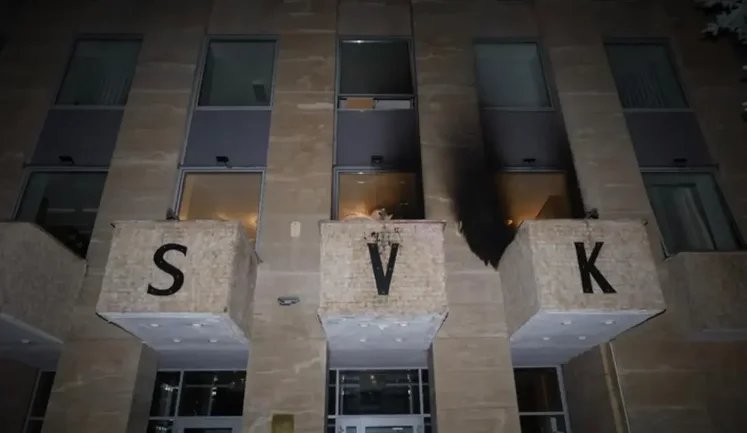
In Prague, the "Russian House" was targeted by an unknown individual who threw Molotov cocktails at the building. The suspect later surrendered to the police, admitting to the attack. This event highlights mounting tensions involving Russians abroad and raises concerns over security and political sentiments in host countries.
What are the implications of Lithuania's proposed entry ban?
Lithuania's proposed five-year entry ban targets performers who have visited Russia and Belarus since 2022. This move underscores the country's stance against cultural ties with these nations, reflecting broader geopolitical tensions. The ban could affect tourism, cultural exchanges, and promote a cautious approach to engagements with Russia-linked entities abroad.
Why did parliamentarians walk out during Matviyenko's speech?
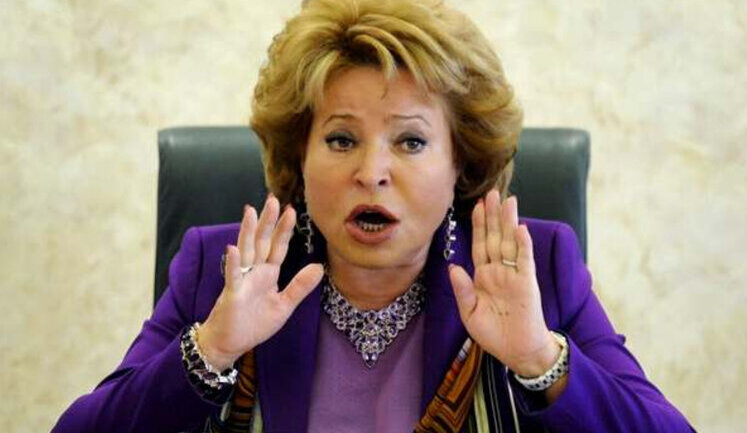
During the World Conference of Speakers of Parliaments in Geneva, several parliamentarians walked out in protest during the speech of Valentina Matviyenko, the Speaker of the Russian Federation Council, who is currently sanctioned. The walkout served as a symbolic gesture highlighting disapproval of Russia's actions and its officials, emphasizing global political divisions and solidarity against sanctioned individuals.
What actions have been taken against the suspect in the Prague attack?
The individual who attacked the "Russian House" in Prague using Molotov cocktails turned himself in to authorities and confessed, leading to his arrest. The incident underscores the complex legal landscape Russians face abroad and highlights ongoing concerns about the safety of Russian establishments and individuals overseas amid rising tensions and opposition to Russian governmental actions.
What sparked the violence against a Russian in Poland?
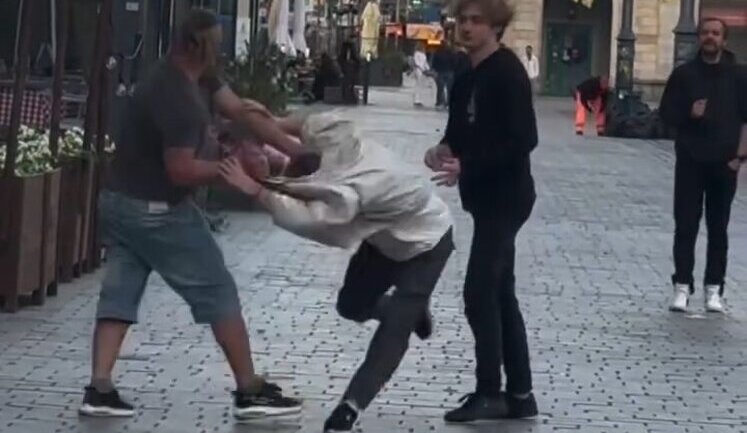
The violent incident in Poland, where a man presumed to be Russian was beaten, reflects the charged atmosphere and negative sentiments towards Russians in certain regions. The attack, unfortunately, illustrates how geopolitical tensions spill into social interactions, and highlights the need for efforts to de-escalate hostility and protect individuals regardless of nationality.