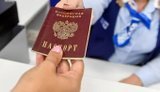
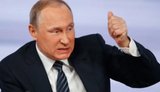
In 2026, significant developments have impacted Russians abroad. Montenegro has announced new visa requirements for Russian citizens starting 1 November, aligning with EU rules. Meanwhile, the Russian State Duma has authorized President Putin to deploy military forces if Russian citizens are detained abroad. Additionally, Berlin plans to ban Russian flags during May commemorations, highlighting ongoing geopolitical tensions. Kazakhstan has also modified its residency permit prerequisites, now requiring language proficiency for applicants. These developments underscore the complex dynamics affecting Russians across various regions amid international pressure and regulatory shifts.
Why is Montenegro introducing visa requirements for Russian citizens?
Montenegro is implementing visa requirements for Russian citizens from 1 November 2026 as part of aligning its visa policy with the European Union. This move reflects a broader trend among countries seeking to adjust their immigration and diplomatic approaches in response to geopolitical shifts and EU harmonization efforts.
What new powers has the Russian State Duma granted regarding military deployment?
The Russian State Duma has passed legislation authorizing the deployment of Russian military forces abroad in response to the detention or arrest of Russian citizens. This measure signifies an assertive stance by Russia aimed at protecting its nationals, contributing to heightened tensions and drawing attention to the challenges faced by Russians overseas amid geopolitical conflicts.
What restrictions are being planned in Berlin related to Russian symbols?
Authorities in Berlin are preparing to ban the display of Soviet symbols, Russian and Belarusian flags, and any imagery associated with Russian aggression against Ukraine. This action coincides with memorial events on May 8 and 9, symbolizing political resistance against current Russian policies and reflecting the ongoing cultural and political tensions in the region.
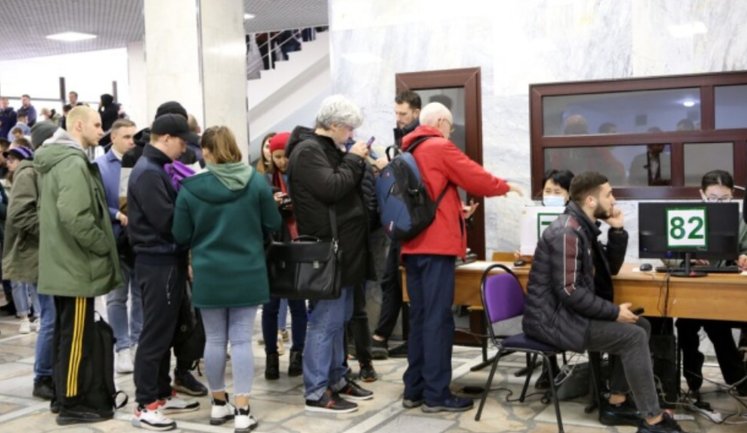
What changes are affecting Russians seeking residency in Kazakhstan?
Kazakhstan has introduced new requirements for obtaining a residence permit, mandating applicants to demonstrate language proficiency. This policy change impacts Russians relocating to Kazakhstan, emphasizing the need for integration into local society and reflecting broader regional policy shifts aim at managing immigration and cultural cohesion.
What diplomatic actions have affected Russian performers in Lithuania?
Lithuania is considering a five-year entry ban for foreign performers who have appeared in Russia or Belarus since February 24, 2022. This proposal highlights ongoing diplomatic tensions and the stance against performances perceived as supporting hostile regimes, reinforcing Lithuania's commitment to supporting sanctions and aligning with Western policies.