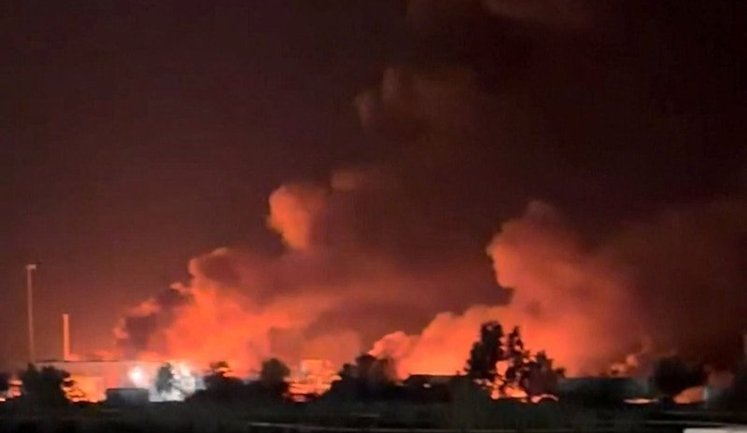
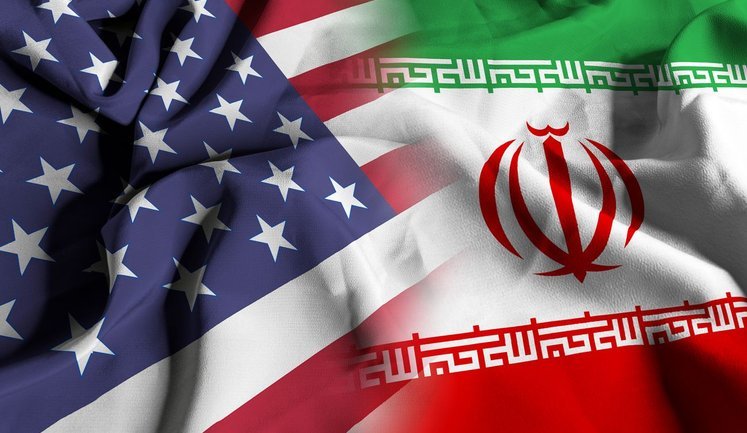
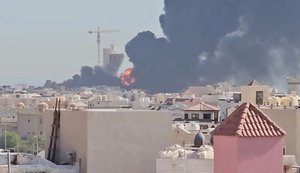
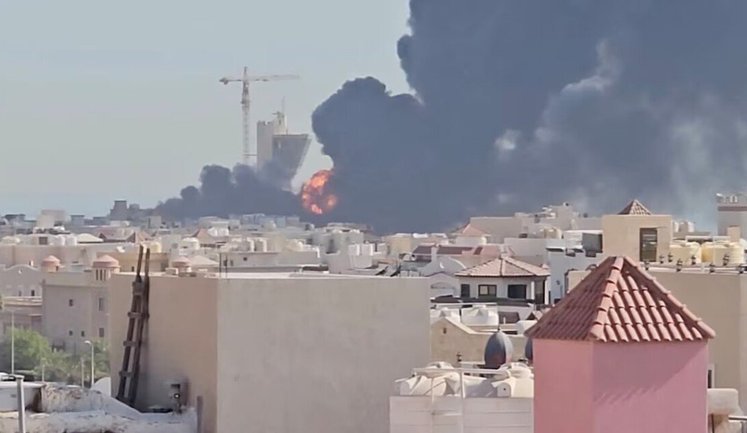
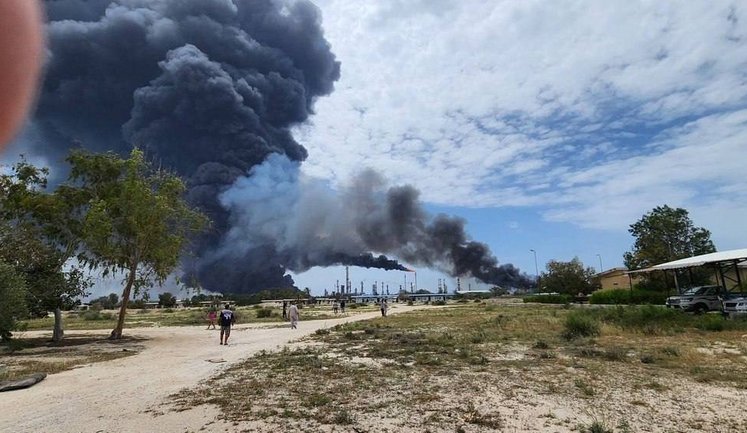
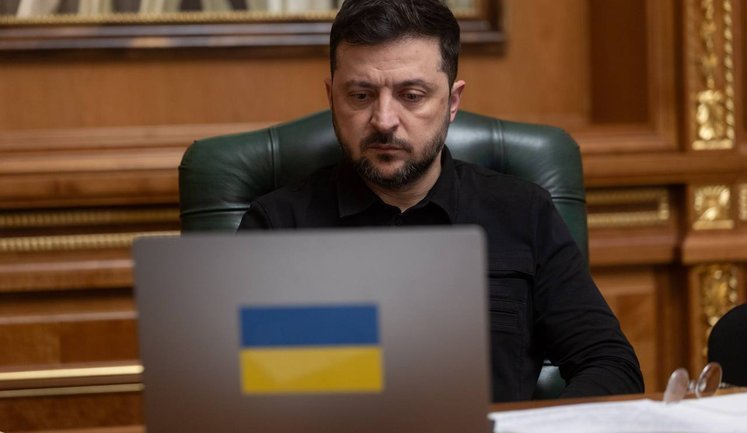
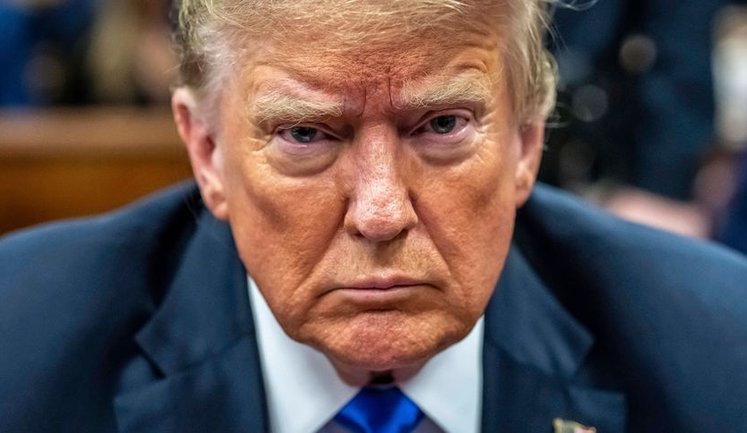
The US-Iran conflict has escalated significantly in 2026, particularly over control of the strategic Strait of Hormuz. President Donald Trump announced that the United States would secure the waterway, complicating tensions as Iran subsequently closed it to shipping. This strategic move has fueled further unrest, notably after the breakdown of an existing ceasefire. Trump has confirmed recent airstrikes on Iranian military sites in retaliation for violations. He has also stated that strikes could resume if current negotiations fail. With significant global economic implications and the involvement of other nations such as Pakistan mediating talks, the situation remains precarious. Global energy markets have responded nervously, evident in fluctuating oil prices. The world watches closely as the US and Iran are set to meet in Doha, potentially paving the way for de-escalation.
Why has the United States taken control of the Strait of Hormuz?
The Strait of Hormuz is a crucial maritime chokepoint through which a significant portion of the world's oil supply is transported. Amid escalating tensions with Iran, President Trump announced that the US would take control to ensure security and stability in global shipping lanes. This decision emerged after Iran's closure of the strait in response to perceived US aggression, further complicating international relations and energy supply stability.
How has Iran responded to US actions in the region?
In response to US control over the Strait of Hormuz and recent military actions, Iran has escalated its defensive posture by closing the strait to shipping and threatening to expand the conflict beyond the Middle East. This closure has heightened global tensions as the strait is vital for oil transportation. Iran's decision reflects its strategic maneuvering in response to US military strikes and the deteriorating ceasefire agreement.
What are the global implications of the US-Iran conflict on oil prices?
The conflict between the US and Iran significantly impacts global oil markets, primarily due to tensions surrounding the Strait of Hormuz, a key oil transit route. Fears of prolonged shutdowns or resumed military action have led to volatile oil prices, as the strait accounts for a substantial portion of daily oil shipments worldwide. Any disruption here prompts immediate effects on global oil supply chains, with implications for prices and economic stability.
What role has Pakistan played in the US-Iran negotiations?
Pakistan has taken on a mediating role in the US-Iran negotiations, with Prime Minister Shahbaz Sharif facilitating talks in Switzerland. This diplomatic engagement has been crucial in reaching preliminary agreements and easing tensions between the two nations. Pakistan's involvement highlights its position as a significant regional actor capable of mediating complex international conflicts, with the recent talks yielding optimism for a peaceful resolution within a specified timeframe.
What might happen if the US and Iran fail to reach an agreement?
If the US and Iran fail to reach a mutually satisfactory agreement, the conflict might deepen, with potential for resumed military action, significant geopolitical instability, and economic ramifications globally. President Trump has indicated a willingness to escalate military engagement if negotiations falter, suggesting a continued cycle of retaliation and countermeasures. This uncertainty places strain on diplomatic channels, regional security, and international markets, particularly with regard to energy supplies.
How have recent US military actions affected the ceasefire with Iran?
Recent US military actions, including airstrikes on Iranian missile and drone facilities, have effectively nullified the prior ceasefire agreement between the two countries. These actions were in retaliation for what the US perceived as yet another violation of the agreement by Iran. The breakdown of the ceasefire has increased regional instability and raised concerns about an uncontrolled escalation, highlighting the fragile nature of current negotiations and peace efforts.
What are the key points discussed in US-Iran peace talks?
The US-Iran peace talks focus on various critical issues, including the reopening of the Strait of Hormuz, establishing a durable ceasefire, scaling down military tensions, and negotiating the terms for regional security. Talks also involve discussions on Iran's nuclear capabilities and its economic sanctions. Progress and setbacks in these discussions directly influence the broader geopolitical climate and the potential for lasting peace agreements between the nations.
How has the international community reacted to the US-Iran conflict?
The international community has expressed concern over the rising tensions between the US and Iran, emphasizing the need for diplomatic solutions to avoid wider regional destabilization. Countries like Germany have made defensive preparations, deploying military systems to neighboring Turkey, while Pakistan has acted as a mediator in peace talks. Global organizations and major powers continue to monitor the situation closely, urging restraint and dialogue to prevent further escalation.
What has President Trump's stance been regarding further military actions against Iran?
President Trump has taken a firm stance on military actions, openly stating the possibility of resuming strikes against Iran if current peace negotiations do not meet US expectations. He has maintained a position of strength, suggesting that the US will not hesitate to take decisive action should Iran fail to comply with terms aimed at de-escalation. His statements underline a critical juncture in US-Iran relations, reflecting a mix of diplomacy and military readiness.
What are the potential outcomes of the US-Iran meeting in Doha?
The US-Iran meeting in Doha represents a significant diplomatic effort to resolve the ongoing conflict. Potential outcomes include the establishment of a renewed ceasefire, agreements on critical security issues, and the paving of the way for long-term peace talks. Successful negotiations could lead to reopening strategic shipping routes and reducing military tensions in the region, while failure could exacerbate the conflict, prompting further international involvement and economic disruption.