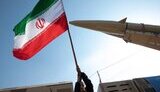
The ceasefire between Israel and Iran marks a significant moment in their ongoing conflict. Iranian President Massoud Peseshkian hailed it as a "historic victory" for Tehran after a 12-day war that Iran claims was imposed by Israel. In a phone conversation, U.S. President Donald Trump and Israeli Prime Minister Benjamin Netanyahu discussed the ceasefire, with Trump expressing dissatisfaction due to violations by both parties. Despite the ceasefire, tensions remain high as Iran launched missiles at Israel, prompting an IDF response. The international community eyes this truce with cautious optimism, hoping for lasting peace and stability in the region.
What are the main reasons for the ceasefire between Israel and Iran?
The primary reasons for the ceasefire between Israel and Iran include diplomatic interventions and pressures from international stakeholders, including the United States. Iran claims it achieved a "historic victory," while Israel, influenced by diplomatic talks and practical considerations, agreed to halt further military offensives.
How did U.S. President Trump contribute to the Israel-Iran ceasefire?
President Donald Trump played a pivotal role in brokering the ceasefire between Israel and Iran. His diplomatic engagement included discussions with Israeli Prime Minister Netanyahu, highlighting the importance of halting hostilities. Trump urged both nations to adhere strictly to the ceasefire terms to prevent further escalation.
What were some reactions to the ceasefire agreement from international leaders?
International leaders generally welcomed the ceasefire between Israel and Iran, viewing it as a step towards stability in the region. However, there was skepticism about its durability, especially noting previous violations. U.S. President Trump was vocal in urging compliance, while other nations called for constructive dialogue and long-term peace solutions.
What actions were taken by Iran and Israel following the ceasefire agreement?
Following the ceasefire agreement, Iran declared a historic victory, and there was an initial pause in hostilities. However, tensions resumed as Iran launched missiles at Israel, which prompted an Israeli Defense Forces (IDF) response. These actions threatened the stability of the ceasefire, emphasizing the fragile nature of the truce.
What are the challenges facing the maintenance of the ceasefire between Israel and Iran?
Maintaining the ceasefire between Israel and Iran presents significant challenges. These include deep-seated mistrust, the potential for further military provocations, and political pressures within each country. Both nations have existing grievances, making the enforcement of a durable peace process complex. International mediation continues to be crucial in mitigating these tensions.
How have Israeli and Iranian civilians been affected by the ceasefire?
The civilians in both Israel and Iran have experienced a temporary reprieve from the direct impacts of military conflict following the ceasefire. Despite this pause in active hostilities, there remains an atmosphere of uncertainty, with fears about a potential resurgence of violence. Humanitarian concerns, such as ensuring safety and accessibility to essential services, persist as key issues for both populations.