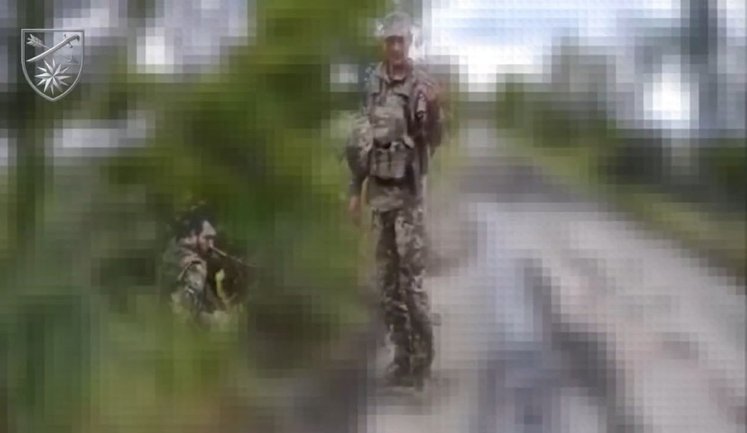
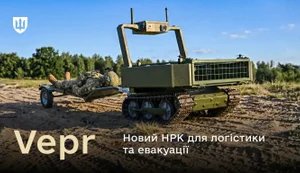
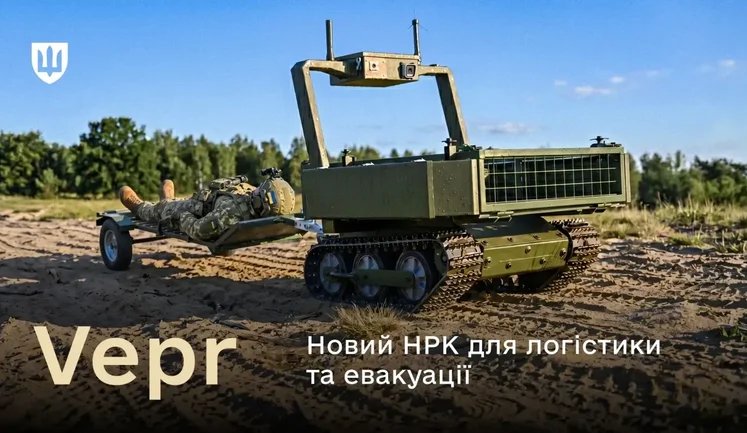
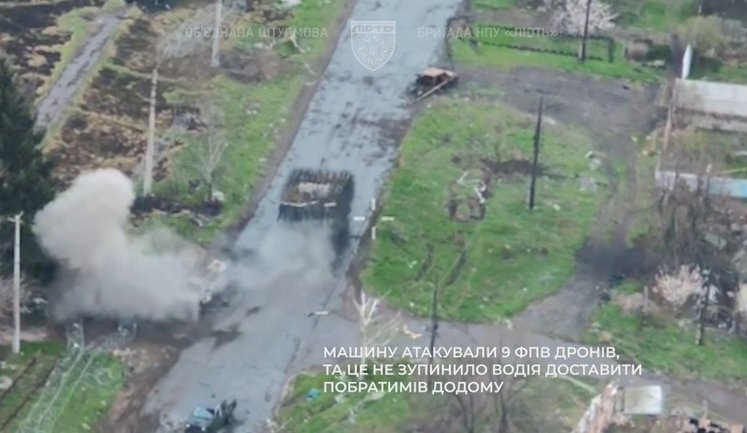
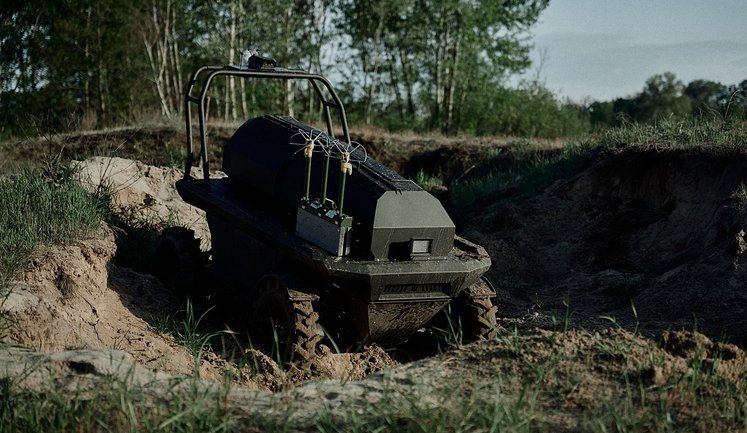
Evacuation of wounded soldiers in Ukraine has seen remarkable innovations amidst the ongoing conflict. With the expansion of underground medical stations by the Armed Forces of Ukraine (AFU), the necessity for armored personnel carriers has grown, as highlighted by Commander-in-Chief Oleksandr Syrskyi. Various military brigades, such as the 210th Separate Assault Regiment and the 155th Separate Mechanised Brigade, have been employing unmanned ground vehicles (UGVs) for the purpose of safe evacuation under hostile conditions. These UGVs are pivotal in the challenging landscapes of battlefields, providing critical assistance in high-risk areas. Videos of these operations showcase the efficiency of robotic systems in situations where conventional evacuation would be perilous. The success of these robotic technologies aligns with the pressing need for innovation in military medical operations, spurred by hazardous and unpredictable combat environments.
How are wounded soldiers evacuated in Ukraine?
In Ukraine, the evacuation of wounded soldiers has adapted to the dangerous conditions of the battlefield by employing unmanned ground vehicles (UGVs). These robotic systems provide a safer alternative by traversing high-risk areas, ensuring efficient and rapid evacuation away from immediate threats. Additionally, underground medical stations have been expanded to support these operations, highlighting the strategic emphasis on technological integration in medical assistance.
What role do unmanned ground vehicles play in battlefield evacuations?
Unmanned ground vehicles (UGVs) play a critical role in battlefield evacuations by providing a safer method of transporting wounded soldiers from conflict zones. These autonomous systems can maneuver through dangerous areas that would pose significant risks to human operators, thus reducing potential casualties among medical personnel and ensuring timely medical intervention for injured soldiers.
What innovations assist with medical evacuations on the Ukrainian front line?
On the Ukrainian front line, innovations such as the use of unmanned ground vehicles (UGVs) and the development of underground medical stations significantly enhance medical evacuations. UGVs offer a robotic solution to safely retrieve wounded soldiers under fire, while underground stations provide secure environments for initial medical treatments, reflecting a strategic adaptation to modern warfare challenges.
How do underground medical stations improve warzone healthcare?
Underground medical stations improve warzone healthcare by providing protected environments that facilitate immediate medical attention to soldiers injured on the battlefield. These stations are strategically located and fortified, allowing medical teams to stabilize patients before further evacuation or transfer to advanced facilities, thereby improving survival rates and treatment outcomes.
What challenges do Ukrainian forces face in evacuating wounded soldiers?
Ukrainian forces face several challenges in evacuating wounded soldiers, including navigating vast kill zones without exposure to enemy fire, the timely deployment of resources such as unmanned ground vehicles (UGVs), and maintaining operational efficiency across dispersed and rapidly changing frontlines. These challenges necessitate continuous innovation and strategic planning to ensure effective casualty management.
Why are armored personnel carriers important in evacuating wounded soldiers?
Armored personnel carriers are vital for evacuating wounded soldiers as they provide protection from hostile threats during transport. Their use ensures that medical evacuation teams can safely reach injured individuals amidst active combat zones, shielding both personnel and patients from enemy interference or attacks while enhancing overall mission success rates.
What impact does the use of drones have on evacuation efforts?
The use of drones in evacuation efforts significantly impacts the effectiveness and safety of military medical operations. Drones expand the reconnaissance capabilities, support logistics, and ensure valuable situational awareness. They are instrumental in tracking movements, mapping routes, and even delivering essential medical supplies, enhancing the coordination and execution of evacuation missions.