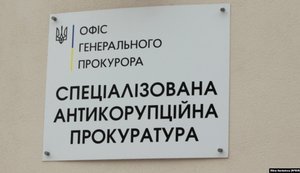
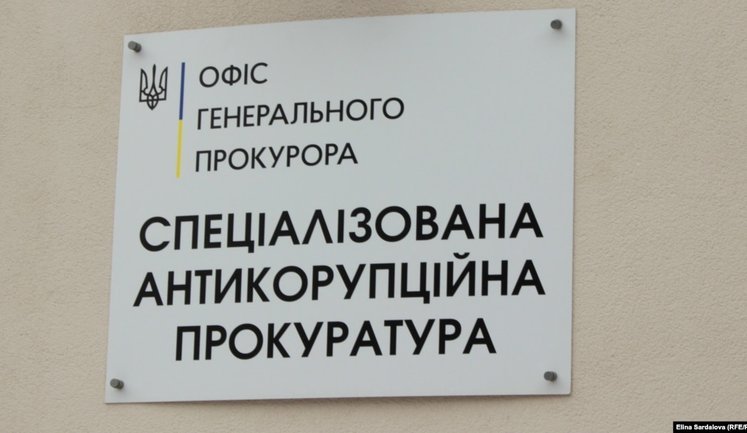
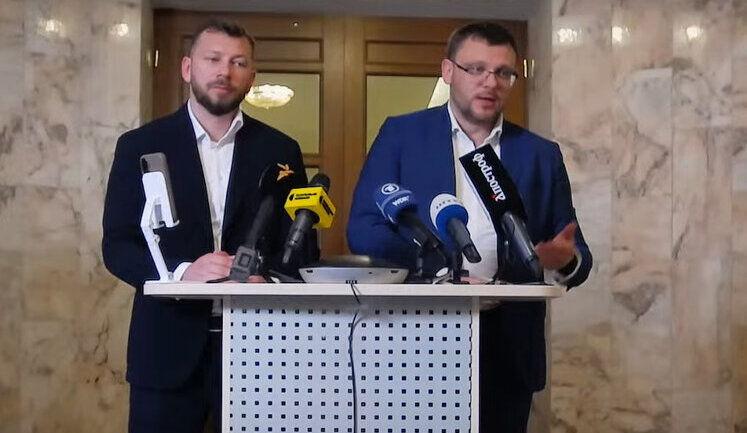
The National Anti-Corruption Bureau of Ukraine (NABU) and the Specialized Anti-Corruption Prosecutor's Office (SAPO) have demonstrated substantial progress in their anti-corruption efforts in the first half of 2025. A comprehensive report highlights their activities and successes, notably involving allegations against 71 MPs since 2016, with 31 stemming from the current Verkhovna Rada convocation. Through rigorous investigations, 251 guilty verdicts have been secured, impacting 338 individuals, including high-ranking officials across various sectors. These efforts have not only upheld the rule of law but also resulted in an economic impact of UAH 16.8 billion since 2021. NABU and SAPO continue to play a crucial role in maintaining accountability and integrity within Ukraine's political and economic landscape.
What are the main achievements of NABU and SAPO in 2025?
NABU and SAPO have reported significant achievements in 2025, including securing 251 guilty verdicts and notifying 71 MPs of suspicion since 2016. Their efforts continue to combat corruption effectively.
How did NABU and SAPO impact the economy between 2021 and 2025?
The economic impact of NABU and SAPO's activities from 2021 to 2025 amounts to UAH 16.8 billion. Their anti-corruption measures have strengthened financial discipline and transparency in Ukraine.
How many MPs from the current Verkhovna Rada are under suspicion?
NABU and SAPO have notified 31 MPs from the current Verkhovna Rada of suspicion. These actions underscore their commitment to investigating corruption at the highest levels of government.
What is the role of NABU and SAPO in Ukraine's judiciary system?
NABU and SAPO play a pivotal role in Ukraine's judiciary system by investigating and prosecuting high-level corruption cases. Their operations ensure accountability and bolster public confidence in legal processes.
Who are some of the officials affected by NABU and SAPO findings?
NABU and SAPO investigations have led to convictions of 338 individuals, including senior government officials, MPs, judges, and heads of state-owned enterprises, highlighting the breadth of their anti-corruption campaign.