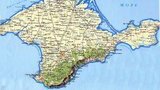
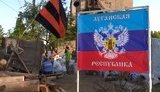
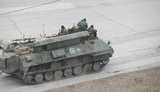
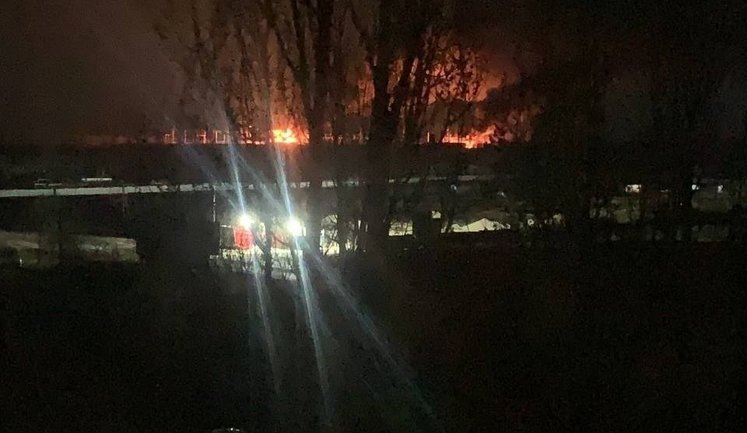
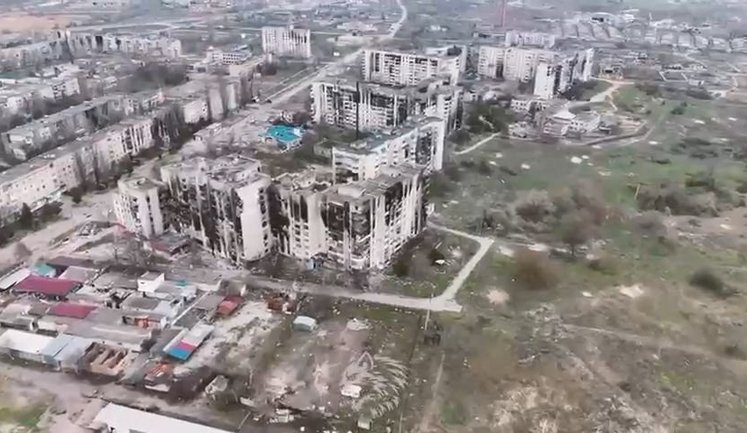
The situation in Ukraine's occupied territories of Crimea and Donbas remains tense as Russian forces maintain their control, leading to a complex humanitarian and geopolitical crisis. Reports have surfaced of Russian military fortifications, large-scale investments in infrastructure, and systematic efforts to integrate these regions into Russia's economic sphere. Ukrainian officials, including President Zelenskyy, have voiced concerns over the humanitarian disasters unfolding in areas like Oleshky, as residents endure severe shortages of essentials such as electricity and medicine. The international community is being urged to document alleged crimes and violations. Meanwhile, diplomatic discussions continue, with Ukraine steadfast in its refusal to compromise on territorial integrity, as reaffirmed by various international bodies. Despite the ongoing conflict, Ukraine's defense forces execute targeted operations against military infrastructure in these regions, striving to weaken the occupying forces' hold and signal resilience in the face of occupation.
What is the current situation in the occupied territories of Ukraine?
The occupied territories of Ukraine, including Crimea and Donbas, are under significant strain due to Russian control. Local populations are facing dire humanitarian conditions, with reports of shortages in electricity, gas, food, and medical supplies. The geopolitical situation remains tense, with continuous efforts by Russia to integrate these regions into its economic and political framework. Ukrainian authorities, alongside international organizations, are calling for increased monitoring and intervention to address the humanitarian crisis and uphold Ukraine's territorial integrity.
How is Ukraine responding to the occupation of its territories by Russia?
Ukraine is actively resisting the occupation of its territories by Russia through diplomatic and military means. Ukrainian forces routinely conduct targeted operations to undermine the military capabilities of the occupying forces. Diplomatically, Ukraine remains firm in its stance against recognizing the occupation and continues to engage with international partners to seek support and reinforce its sovereignty. The government also emphasizes the importance of humanitarian aid and the documentation of occupation-related human rights violations.
What international reactions are there to the occupation of Crimea and Donbas?
International reactions to the occupation of Crimea and Donbas are largely supportive of Ukraine's sovereignty and territorial integrity. Key global organizations and nations have condemned Russia's actions and imposed sanctions aimed at deterring further aggression. There is a call for constant monitoring by international bodies to ensure human rights are upheld in these regions. Diplomatic dialogues, such as those led by the United Nations, emphasize the need for a peaceful resolution that respects Ukraine's borders.
How have recent events affected life in occupied territories like Oleshky?
In occupied territories such as Oleshky, life has become increasingly challenging due to the lack of basic necessities, such as electricity, gas, food, and medical care. The ongoing conflict has significantly damaged infrastructure, leading to a severe humanitarian crisis. Efforts by Ukrainian and international bodies to address these conditions are hampered by limited access and the need for more comprehensive support and humanitarian missions to alleviate the suffering of the local population and document any war crimes.
What are the humanitarian concerns in Crimea and Donbas under occupation?
Humanitarian concerns in Crimea and Donbas are critical, with residents facing severe shortages of essential goods and disrupted access to services. These issues are exacerbated by ongoing military operations and restrictive measures imposed by occupying forces. Efforts to provide adequate humanitarian aid are continually challenged, prompting calls from Ukrainian and international officials for more robust intervention and access to document potential human rights violations and ensure the well-being of the affected populations.
What infrastructure damage has been reported in these occupied regions?
Reports from the occupied regions of Crimea and Donbas highlight extensive infrastructure damage, including critical facilities such as power plants and transport networks. This damage significantly impacts the daily lives of residents, reducing access to electricity, clean water, and transportation, and complicates humanitarian assistance efforts. Rebuilding and restoration efforts face significant challenges due to ongoing military activities and the strategic priorities of the occupying forces, which neglect civilian needs.
What diplomatic efforts are ongoing regarding the occupied territories?
Diplomatic efforts regarding the occupied territories involve continuous engagement between Ukraine and its international allies to seek peaceful resolutions while insisting on the restoration of Ukraine's territorial integrity. The international community, including top UN officials, repeatedly condemns the occupation and supports negotiations that respect Ukraine's sovereignty. These efforts highlight the need for adherence to international law and the pursuit of a diplomatic solution that acknowledges Ukraine's territorial claims.
What is the economic impact of the occupation on these regions?
The economic impact of the occupation in Crimea and Donbas is profound, with local economies suffering due to isolation from Ukrainian financial systems and international trade. Russia's investments in the regions aim to integrate them into its own economy, creating dependencies that further complicate potential reintegration into Ukraine. This strategy undermines Ukraine's efforts to regain control and hampers the regions' economic recovery potential, causing escalating poverty and unemployment rates locally.
What actions have Ukrainian defense forces taken in the occupied regions?
Ukrainian defense forces have been conducting operations in the occupied territories to counter Russian military activities and sabotage efforts, such as targeting military infrastructure and supply lines. These measures aim to weaken the occupying forces' operational capabilities and demonstrate Ukraine's resolve to regain its territories. Despite limited resources, these operations are crucial in maintaining pressure on the occupiers and supporting Ukraine's long-term strategic goals of territorial restoration.
Why is the issue of territorial integrity significant in the occupation of Crimea and Donbas?
The issue of territorial integrity is central to the conflict in Crimea and Donbas because it involves fundamental principles of national sovereignty and international law. The occupation challenges Ukraine's territorial boundaries and raises global security concerns, emphasizing the importance of respecting jurisdictions and preventing aggressive territorial claims. Maintaining territorial integrity is crucial for preserving national identity, stability, and political autonomy, making it a core focus of Ukraine and its allies in diplomatic negotiations and international discourse.