Relations between the European Union and Russia remain strained amidst ongoing diplomatic tensions and the backdrop of the Russia-Ukraine war. While Lithuania rules out a return to normal relations with Russia, there are divided opinions within the EU about resuming dialogue with Moscow. Italian PM Giorgia Meloni and French President Emmanuel Macron emphasize the need for direct communication with Russia to end the conflict in Ukraine. Despite sanctions, EU countries continue trading with Russia, paying around €1 billion monthly for oil and gas. These complex dynamics underscore the challenges within the EU as it grapples with strategic independence, sanctions, and maintaining unity against Russian aggression.
What is the current state of EU-Russia relations?
The relations between the EU and Russia are currently strained due to ongoing conflicts and differing political stances. Key EU leaders have mixed opinions on the engagement with Russia, which affects diplomatic ties considerably.
Why did the Lithuanian Foreign Minister say normal relations with Russia are impossible?
The Lithuanian Foreign Minister Kęstutis Budrys stated that restoring normal relations with Russia is impossible due to the ongoing conflicts and aggressive policies led by Moscow. This statement reflects the broader concerns within the EU about dealing with Russia under current geopolitical conditions.
How does EU trade with Russia affect diplomatic relations?
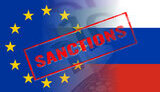
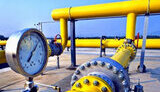
The trade between the EU and Russia complicates diplomatic relations as it continues despite sanctions. The EU pays Russia substantial sums for oil and gas, creating a paradox where economic necessities clash with political and ethical considerations regarding Russian aggression in Ukraine.
What role do European leaders see for direct dialogue with Russia?
European leaders like Italy's Giorgia Meloni and France's Emmanuel Macron advocate for direct dialogue with Russia as a potential strategy to resolve the conflict in Ukraine. They believe maintaining open communication lines might help in leveraging negotiations and ultimately achieving peace.
How does the EU envisage achieving strategic independence?
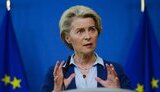
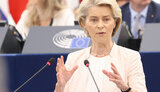
EU leaders, including Ursula von der Leyen, stress the importance of strategic independence, focusing on developing autonomous economic and security strategies. This plan arises from shifting global power dynamics and the ongoing crisis in Ukraine, compelling the EU to reduce reliance on external powers such as the US.
What are some European leaders' views on mediation in peace talks with Russia?
Europe is encouraged to engage directly with Russia rather than through US mediation in peace talks. This stance, promoted by leaders like Emmanuel Macron, suggests prioritizing European-led dialogue as a means to assert autonomy in handling regional conflicts, notably with Russia.
How has EU’s internal unity been challenged by relations with Russia?
The EU's internal unity faces challenges due to varied opinions on how to handle relations with Russia. Some countries and leaders push for dialogue while others stress a tougher stance. This discord affects the EU's ability to present a unified front in its foreign policy decisions concerning Russia.