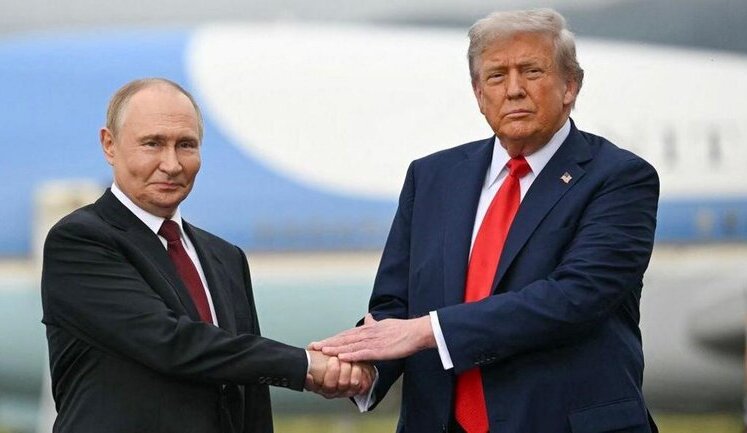
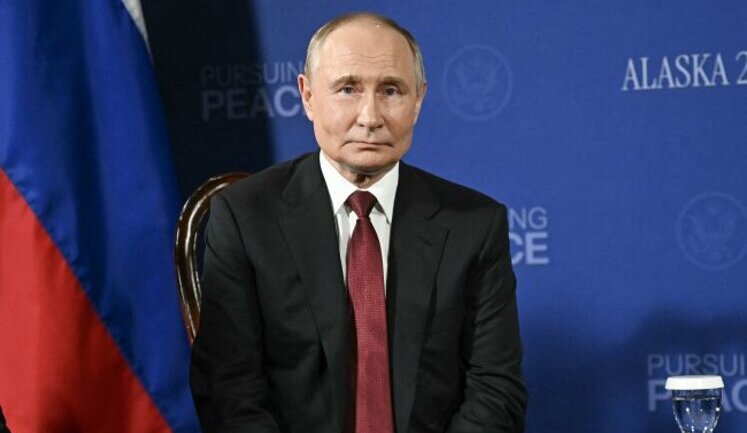
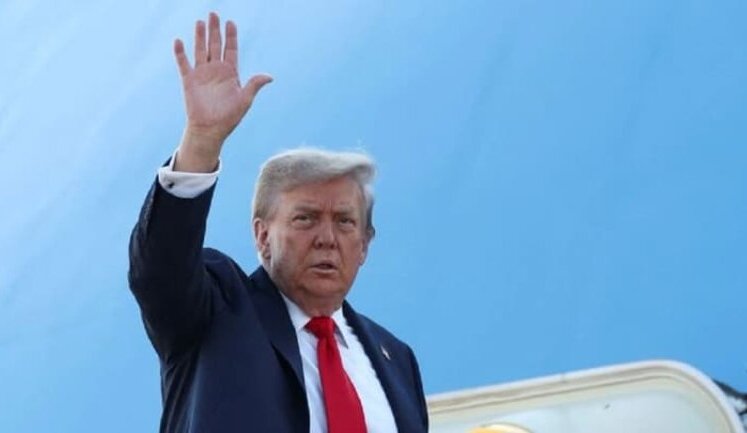
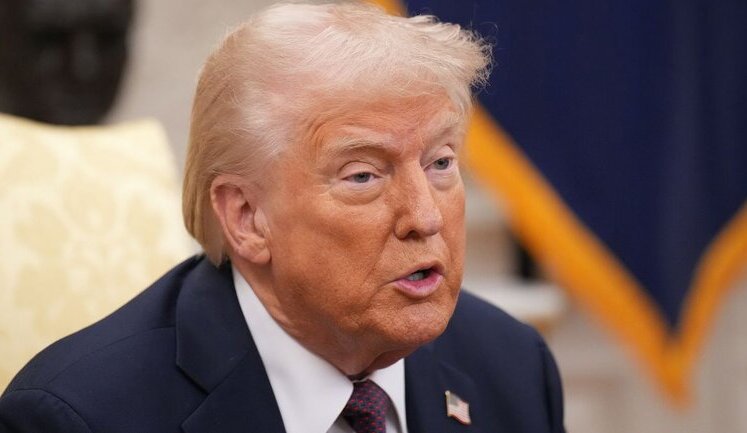
During the highly anticipated meeting in Alaska between US President Donald Trump and Russian dictator Vladimir Putin, global attention has focused on potential diplomatic resolutions to the ongoing war in Ukraine. Despite ambitious intentions to negotiate peace, tensions have escalated post-summit due to intensified Russian military actions, highlighting Moscow's apparent reluctance to embrace peace. Furthermore, Trump's tactics, characterized by some as a "show of strength," were met with skepticism from critics who argue sanctions, not discussions, are needed. Nonetheless, this historic meeting has been pivotal, both for its direct implications and its broader geopolitical ripple effects.
What was the main purpose of the Trump-Putin meeting in Alaska?
The primary goal of the meeting between US President Trump and Russian dictator Vladimir Putin was to discuss potential resolutions for ending the war in Ukraine. Trump sought to explore diplomatic pathways, emphasizing dialogue over military action. The summit aimed to establish grounds for peace, though outcomes remain uncertain.
Did Trump and Putin reach any agreement on the war in Ukraine?
The meeting concluded with progress but no definitive agreement was reached to end the war in Ukraine. While there was a discussion around halting air strikes and possible territorial concessions, these were not formally agreed upon, leaving room for further negotiations and diplomatic efforts.
How did international leaders react to the Trump-Putin summit?
International reactions were mixed; some leaders praised the dialogue as a step towards peace, while others criticized the lack of concrete actions such as imposing sanctions against Russia. Security guarantees for Ukraine remain a pivotal concern for NATO and EU nations observing the summit closely.
What impact did the Alaska summit have on the diplomatic relations between the US and Russia?
The Alaska summit marked a significant moment in US-Russia relations, with both nations showcasing different diplomatic agendas. Although the meeting revitalized dialogue, it also reinforced geopolitical divides, as increased Russian military activity post-summit indicates underlying tensions and uncertainties in achieving peace.
What were Putin's demands during the Alaska meeting to end the war?
During the Alaska summit, Russian dictator Putin outlined demands for ending the war in Ukraine, including security guarantees and territorial concessions. However, specifics remained largely confidential, and the absence of a formal agreement signals potential complexities and challenges in negotiations moving forward.
Why did some criticize Trump's strategy of meeting Putin in Alaska?
Critics, including politicians like Sikorski, argued that Trump should have imposed tougher sanctions on Russia rather than opting for direct talks in Alaska. They believe this approach could undermine efforts to pressure Moscow into peace while potentially strengthening Putin's global standing by bringing him out of isolation.
How did the Alaska summit affect the internal political climate in the US?
Domestically, opinions on Trump's Alaska summit were polarized; supporters lauded his attempt at direct diplomacy, while opponents viewed it as naive or counterproductive given Russia's subsequent aggression. The summit's mixed results contribute to ongoing debates about America's strategy for international conflict resolution.
Was there any public reaction during the Trump-Putin meeting in Alaska?
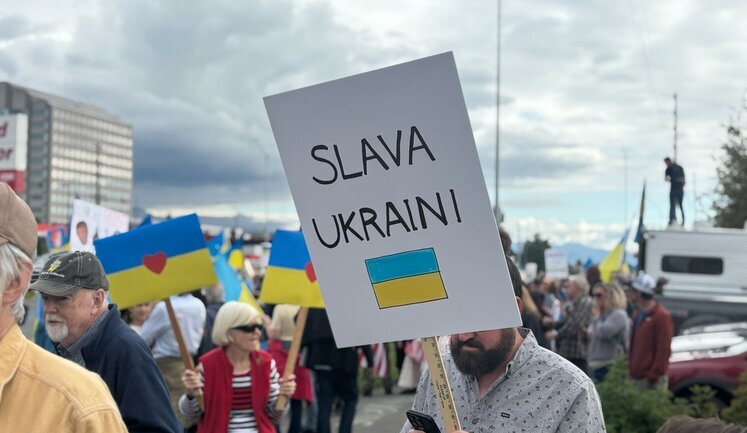
The summit in Alaska sparked public demonstrations, including a significant pro-Ukrainian rally in Anchorage. Citizens expressed their support for Ukraine and disappointment in the absence of more decisive actions against Russian aggression, reflecting societal divisions over the handling of international diplomacy.
How long did the talks between Trump and Putin last in Alaska?
The talks between US President Donald Trump and Russian President Vladimir Putin in Alaska were reported to have the potential to last 6-7 hours. The extended duration reflects the complexity and importance of discussions aimed at resolving the ongoing conflict in Ukraine.