U.S.–Russia relations continue to dominate global news, with significant developments under the Trump administration. Recent reports highlight various diplomatic strategies involving Russia, such as possible peace agreements influenced by Belarus, contrasting Trump's positions on economic sanctions. There's talk of forming a new global association with Russia and China, potentially replacing the G7. The U.S. also discusses if Russia is more than just a "paper tiger," questioning its assertiveness on the world stage. Meanwhile, President Trump faces criticism for allegedly favoring Russia, raising questions about his economic policies and potential geopolitical deals with Moscow. These moves reflect a nuanced approach to U.S.–Russia relations, impacting the global order.
What are the current key issues in U.S.–Russia relations?
Key issues include potential peace agreements regarding Ukraine, economic sanctions, and diplomatic strategies involving international alliances and economic negotiations under the Trump administration.
How has President Trump’s approach to Russia changed in 2025?
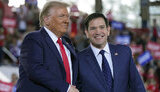
In 2025, President Trump’s approach showcases a willingness to engage in strategic dialogues and alliances with Russia, with influence from domestic advisors like Marco Rubio reshaping his stance on sanctions and economic policies.
What is the significance of a new alliance including Russia and China?
The potential creation of a new international alliance with China and Russia signifies a shift in global power dynamics, challenging the traditional role of the G7 and reflecting the evolving geopolitical landscape in 2025.
Why is Russia considered a "bear" rather than a "paper tiger"?
The depiction of Russia as a "bear" rather than a "paper tiger" highlights its strategic military and economic capabilities, as it seeks to assert its influence on global affairs and counter perceptions of weakness.
Is there a consensus in the U.S. on economic isolation of Russia?
There is no clear consensus on isolating Russia economically within the U.S. government, as President Trump sees potential deals with Russia that could benefit the U.S. economically while maintaining strategic interests.