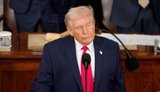
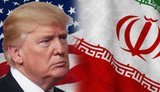
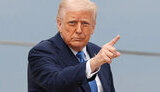
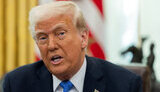
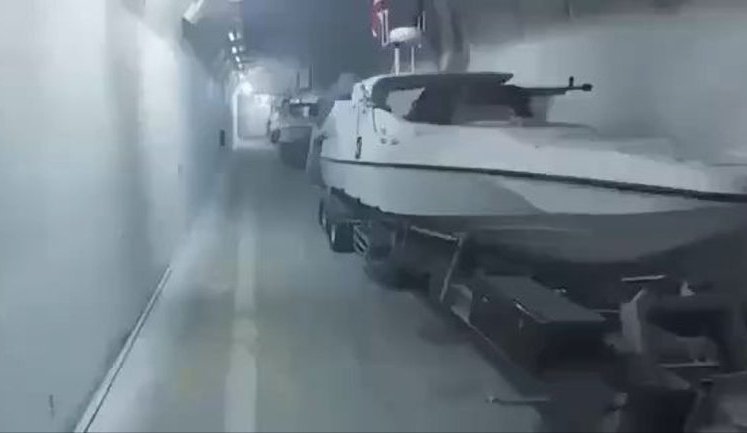
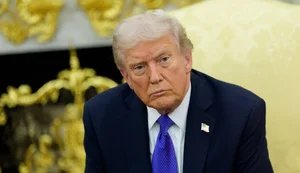
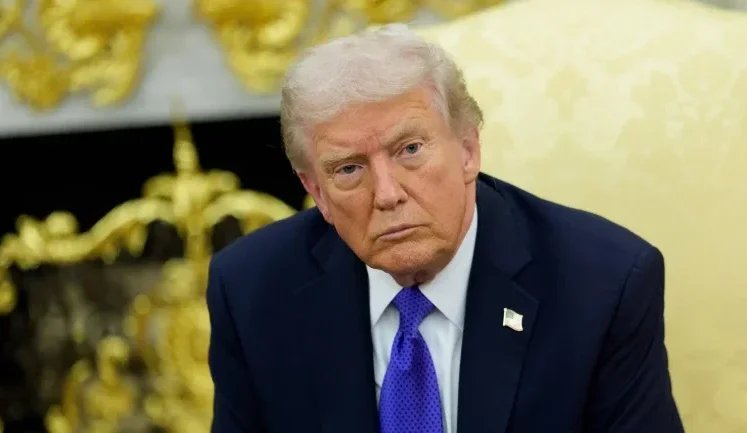
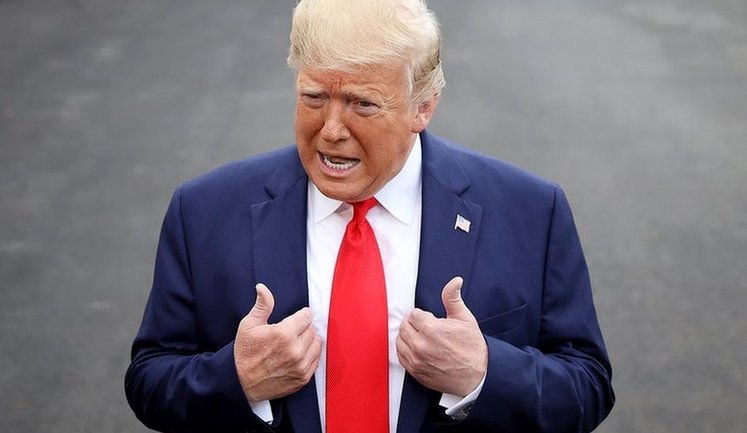
US President Donald Trump declared the United States has effectively destroyed Iran ahead of schedule, asserting Washington's victory. Trump has also demanded $5 trillion from Gulf states to cover war expenses, amid reports of Iran's military showcasing underground tunnels filled with anti-ship missiles. Despite NATO’s refusal to support actions against Iran, Trump seemed unfazed, claiming that the US does not need its allies' assistance. With a warning of a "big wave" of upcoming US attacks, Trump emphasizes that the US operation is not over. He remains firm in denying any deal with Iran unless it capitulates unconditionally.
What did Trump say about the US operation in Iran?
Trump announced that the US operation in Iran is ahead of schedule, asserting that the country has been effectively destroyed. He emphasized that the US has achieved its objectives faster than planned, boosting the narrative of American military success.
Why does Trump demand $5 trillion from the Gulf states?
President Trump is reportedly demanding $5 trillion from Gulf states to finance the war efforts against Iran. The rationale is likely driven by the US seeking financial contributions from these nations given their strategic interests in the outcome of the conflict.
How did Trump respond to NATO's lack of support in the Iran conflict?
Trump criticized NATO countries for their refusal to participate in the US-led military operation against Iran. Despite this, he maintains that the United States doesn't require their help, suggesting confidence in US capabilities to handle the conflict independently.
What are Iran's military capabilities showcased recently?
Iran has released visuals of its military capabilities, showing underground tunnels equipped with advanced military gear including unmanned boats and anti-ship missiles. This demonstration highlights Iran's preparedness and strategic defense measures amid escalating tensions.
What is Trump's stance on negotiations with Iran?
Trump has taken a firm stance by declaring that the only acceptable form of negotiation with Iran is through its unconditional surrender. He has consistently maintained that no compromise will be made unless Iran fully capitulates to US demands.
What future actions has Trump proposed against Iran?
Donald Trump has warned of a forthcoming "big wave" of US military attacks against Iran, asserting that the US has not yet reached the full extent of its offensive capabilities. This statement indicates an intention to intensify military actions if necessary.
How has Trump compared the Iran conflict to past historical events?
Trump compared US military strikes on Iran's nuclear facilities to the World War II atomic bombings of Hiroshima and Nagasaki. He suggests these decisive actions similarly serve to end conflict swiftly, underscoring the serious nature of US military strategies.
What is the US stance on Iran possessing nuclear weapons?
The US, under Trump's leadership, remains staunchly opposed to Iran acquiring nuclear weapons. Trump has stated that while he wishes for Iran to prosper, the development of nuclear capabilities by the nation will be strictly opposed by the United States.
How is the US monitoring the use of Iranian drones?
President Trump acknowledged receiving reports on the deployment of Iranian drones in Russia's conflict with Ukraine. The US continues to investigate and monitor such developments, which potentially reflect on broader regional security dynamics and threats.
What was Trump's response to Putin's offer of mediation regarding Iran?
Trump revealed that Russian President Putin offered mediation in the conflict with Iran, which he declined. Trump's refusal indicates a prioritization of resolving the Russian-Ukrainian conflict before engaging in negotiations concerning Iran.