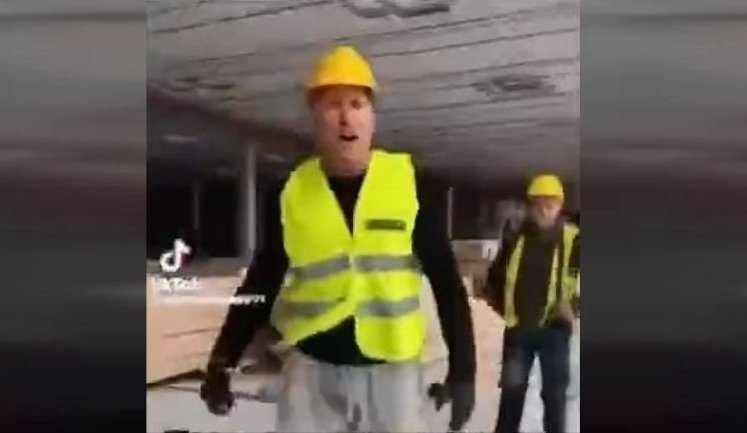
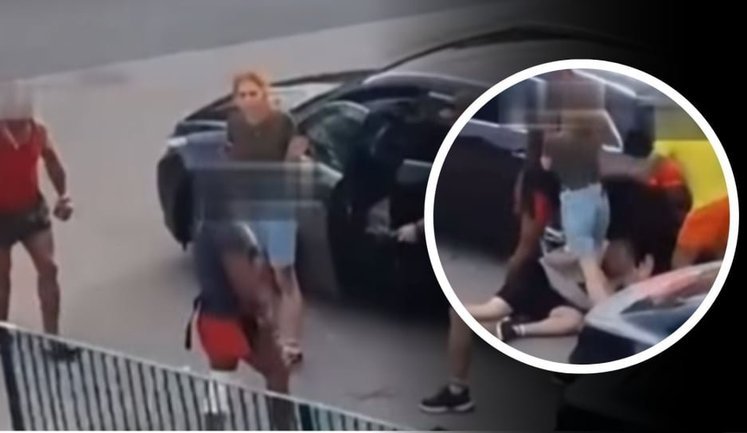
Poland is witnessing a troubling rise in violence and aggression towards Ukrainians. The first half of 2026 saw 180 reported incidents, marking a 30% increase compared to previous years. Recent incidents include attacks in Wrocław where a Ukrainian couple was brutally assaulted, women in Poznań detained for hurling insults, and a teenager in Warsaw attacked for her accent. These acts have triggered protests across 22 Polish cities under the banner "Don’t be indifferent", demanding action from the government. Polish authorities have emphasized that hate speech is unacceptable, and there are ongoing investigations to hold perpetrators accountable. Community leaders urge for calm and insist on strengthened security measures to protect Ukrainians living in Poland.
What is causing the increase in attacks on Ukrainians in Poland?
The rise in attacks on Ukrainians in Poland is attributed to growing xenophobia and tensions related to language and cultural differences. Police data shows a 30% increase in hate crimes targeting Ukrainians, suggesting a significant shift in societal attitudes. Economic pressures and political rhetoric might also be contributing to the hostilities, leading to more frequent reports of aggression and discrimination.
How many incidents have been reported involving attacks on Ukrainians?
In the first half of 2026, 180 incidents of aggression and violence against Ukrainians were reported in Poland. This represents a significant increase of approximately 30% compared to previous years, highlighting the urgency for effective interventions and increased protection measures for affected communities.
What measures are being taken by Polish authorities in response to these attacks?
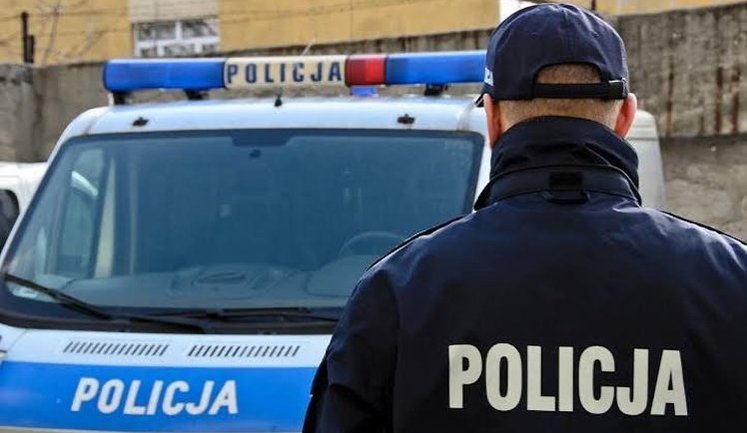
The Polish authorities have stated that hate speech and acts of intolerance are unacceptable. Investigations have been initiated to bring offenders to justice, and the police are actively involved in monitoring and detaining suspects involved in these acts. Protests demanding governmental action have also been held in several cities, demonstrating public demand for comprehensive measures to ensure safety for Ukrainians in Poland.
How have these attacks impacted the Ukrainian community in Poland?
The rising incidents have instilled fear and insecurity within the Ukrainian community in Poland. There is a noticeable concern about safety and increased prejudice, impacting their everyday interactions and prompting calls for solidarity and protection from both local and international advocates. Protests highlight the community's demand for improved safety measures and stronger legal repercussions for hate crimes.
What actions have been taken by local communities in Poland against these attacks?
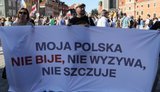
Local communities in Poland have organized protests in 22 cities to denounce the violence against Ukrainians, with participants using slogans like "Don’t be indifferent". These demonstrations aim to raise awareness and pressure authorities to implement protective measures and address the underlying causes of xenophobia and aggression.
What role does language play in these attacks on Ukrainians in Poland?
Language often plays a critical role in these incidents, with several victims being targeted for speaking Ukrainian or Russian. This has led to verbal abuses and in some cases, physical assaults. The language accent becomes a perceived signifier of national identity, making individuals more vulnerable to xenophobic attacks and discrimination in a climate of heightened tension and prejudice.
How is the Polish government addressing the rise in violence against Ukrainians?
The Polish government has condemned acts of violence and issued statements declaring hate speech as unacceptable. Authorities are investigating reported incidents, and there is a public demand for stronger legislative and protective measures. However, community leaders urge for more decisive governmental actions and accountability to effectively curb these rising tensions.
What international repercussions might Poland face due to these attacks?
Poland could face international scrutiny and criticism for failing to adequately protect Ukrainian nationals from rising violence within its borders. If not addressed promptly, these incidents might strain diplomatic relations between Poland and Ukraine, inviting pressure from human rights organizations and other countries advocating for minority protections.
How are Polish citizens reacting to the protest against attacks on Ukrainians?
Many Polish citizens have shown solidarity with the Ukrainian community through their participation in city-wide protests. These movements reflect a significant portion of the public rejecting xenophobia and calling for societal change. However, there remains a division, as some segments continue to harbor negative attitudes, necessitating ongoing efforts to bridge cultural and social divides.
What long-term solutions are being proposed to stop violence against Ukrainians in Poland?
Long-term solutions proposed include educational campaigns to combat xenophobia, stronger enforcement of laws against hate crimes, and comprehensive policy reforms to protect minorities. Community dialogue and international cooperation are also essential to foster understanding, integration, and mutual respect between Polish citizens and Ukrainian nationals living in Poland.