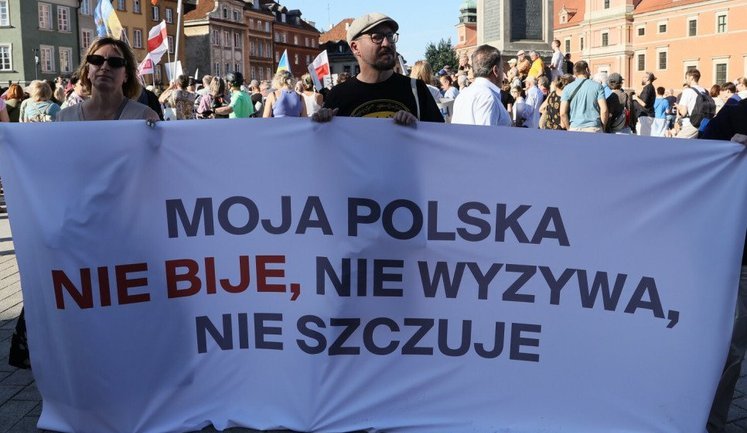
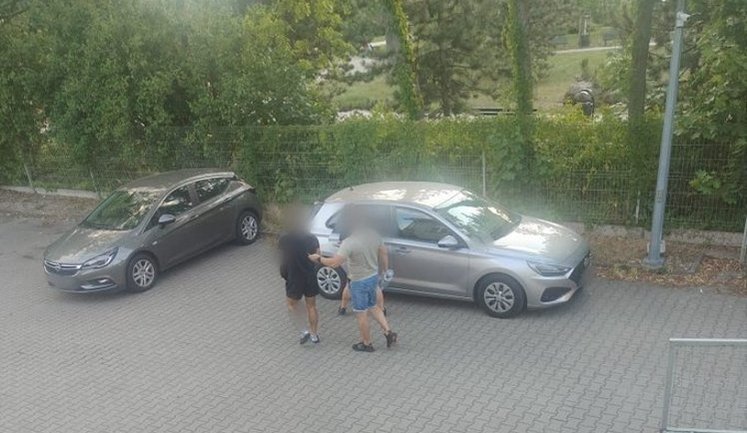
A shocking incident involving the beating of a 23-year-old Ukrainian man has sparked outrage in Poland. The victim, lured by teenagers via a fake social media account, was brutally attacked in Wroclaw. The assailants not only beat him but also shaved his head and painted Nazi symbols on his face. This incident has intensified discussions on safety and hate crimes involving Ukrainians abroad. The Wroclaw police have launched a thorough investigation, seeking justice for the victim. This attack comes amidst rising concerns of ethnic tensions and discrimination in Europe, calling for urgent attention and action.
What is the significance of the attack on the Ukrainian in Poland?
The attack is significant as it highlights ongoing ethnic tensions and hate crimes in Europe. The nature of the attack, including the use of Nazi symbols, underscores the severity and discriminatory undertones against Ukrainians.
How did the attackers lure the Ukrainian victim in Poland?
The attackers created a fake social media account to deceive and lure the Ukrainian victim. This premeditated method raises concerns about the misuse of social media platforms for malicious intents and emphasizes the need for digital safety and awareness.
What actions are Wroclaw police taking regarding the attack?
The Wroclaw police are actively investigating the incident. They are collecting evidence and questioning suspects to ensure justice for the Ukrainian victim. Efforts are being made to understand the motive and prevent further incidents.
What are the broader implications of hate crimes like this in Europe?
Hate crimes such as this one amplify social divisions and unease within communities. They highlight the necessity for strengthened policies to protect minority groups and promote educational campaigns to foster tolerance and respect across Europe.
Are there measures to protect the Ukrainian diaspora in Poland?
Various organizations and local authorities are working to increase protection and support for the Ukrainian diaspora in Poland. Community programs, legal aid, and awareness efforts are key strategies being employed to ensure their safety and integration.