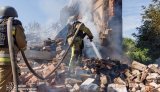
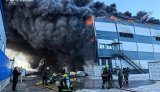
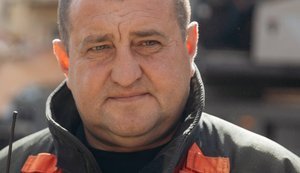
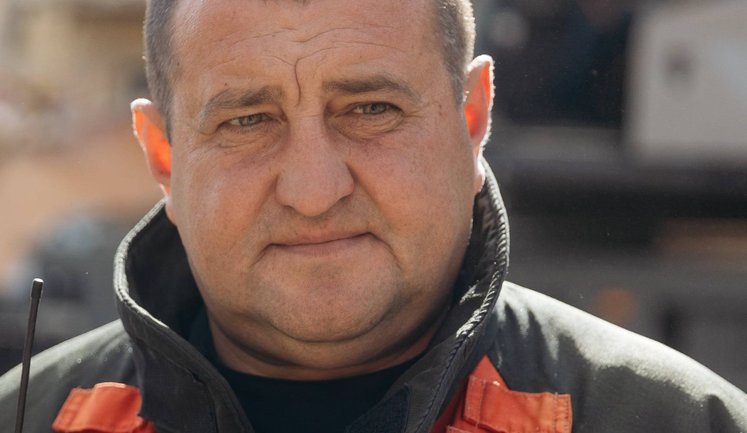
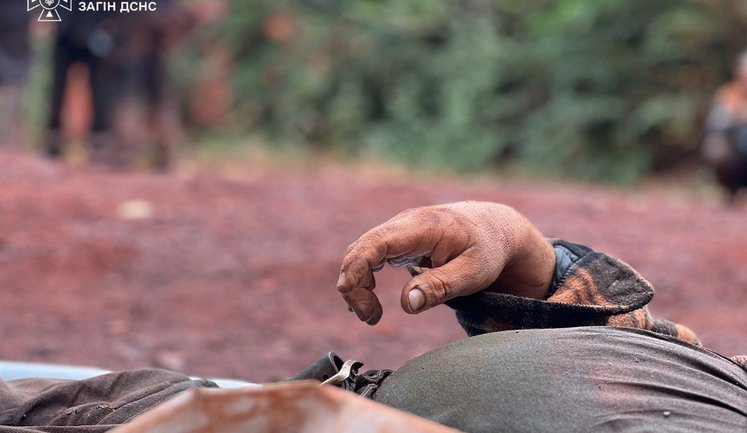
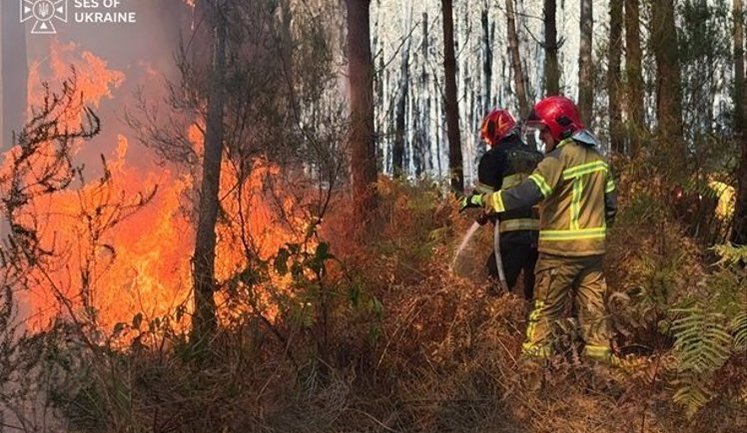
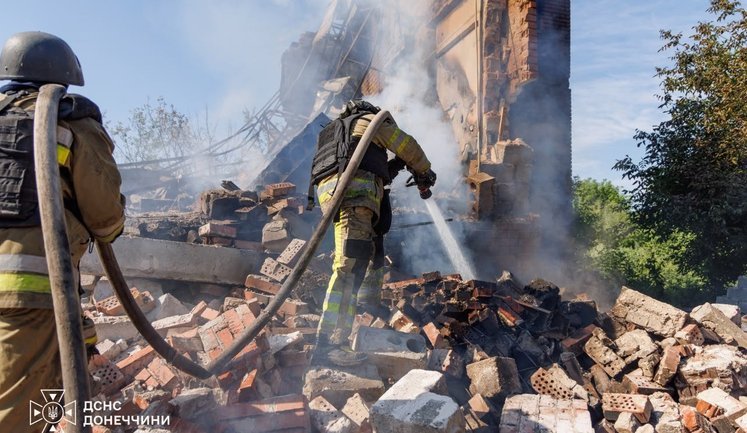
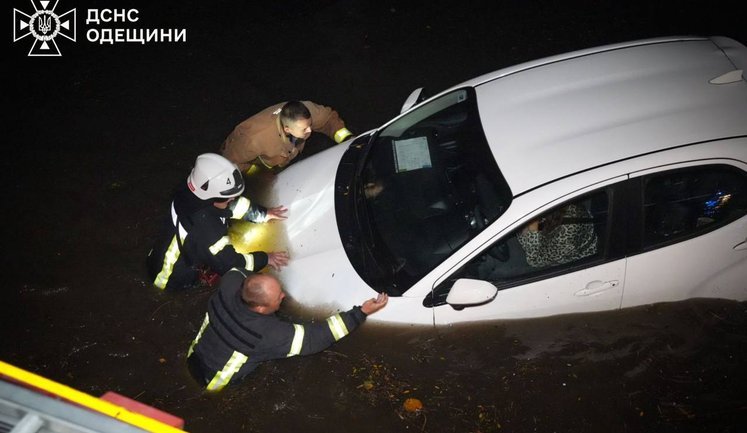
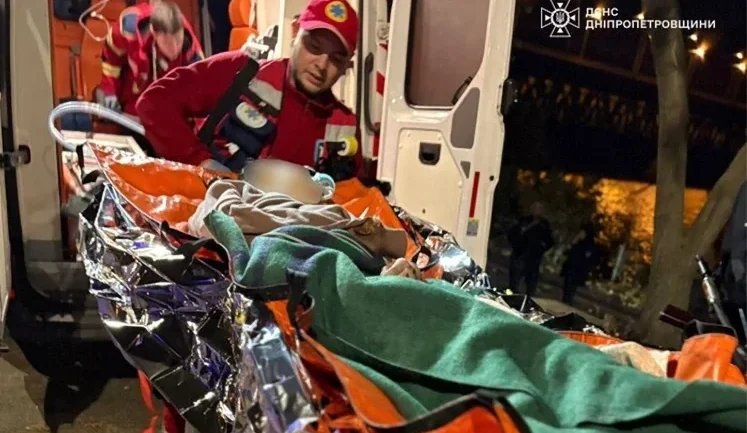
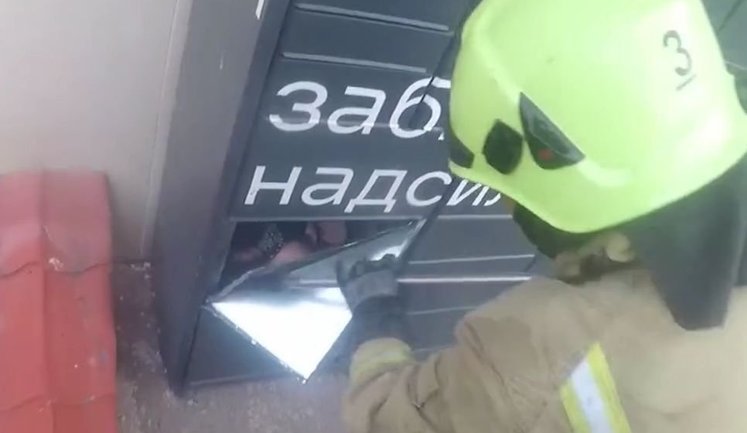
The State Emergency Service (SES) has been at the forefront of rescue operations across Ukraine, tackling challenges from Russian attacks to severe weather conditions. Recent events underline the courage and dedication of these professionals, such as during the Russian strike on Kharkiv where rescue workers Dymtro Boiko, Danylo Tishchenko, Serhii Makovetskyi, and Vadym Zinchenko lost their lives. In addition to saving lives during missile attacks, SES units have also been managing natural disasters, including deadly storms that ravaged the Dnipropetrovsk, Khmelnytskyi, and Kyiv regions. These operations across urban and rural areas demonstrate the critical role of SES in mitigating crises, bringing hope through skilled interventions. As the situation remains tense, the commitment of the SES continues to be a beacon of resilience and humanitarianism.
How has SES contributed to rescue efforts amid Russian attacks?
The State Emergency Service has played a vital role in managing emergency situations in Ukraine, particularly during the recent Russian attacks. By executing swift rescue operations, such as in Kharkiv, the SES has saved numerous lives, though tragically, some rescue workers were lost. Their efforts have been crucial in providing emergency response, highlighting their dedication and bravery under extreme conditions.
What were the actions of the SES during the Kharkiv strikes?
During the recent strikes in Kharkiv, the SES was actively involved in firefighting and rescue operations. Tragically, four rescue workers lost their lives while another nine were injured. These workers braved dangerous conditions to mitigate the effects of the attack and protect civilians, showcasing their utmost bravery and commitment under fire.
What challenges has the SES faced due to natural disasters in Ukraine?
The SES has been instrumental in responding to natural disasters across Ukraine. With severe weather causing significant damage in regions like Dnipropetrovsk and Kyiv, SES units have been working tirelessly to conduct search, rescue, and cleanup operations. Their efforts have been essential in managing the aftermath of storms, saving lives, and restoring normalcy amid chaos.
How does the SES manage to operate in extreme weather conditions?
Operating under extreme weather conditions is a hallmark of the SES's capabilities. Their response to winter emergencies, such as performing operations under subzero temperatures, illustrates their preparedness and resilience. Equipped with the necessary training and resources, SES personnel are able to execute complex missions even in harsh environmental settings.
What incidents highlight the SES's role in civilian safety during disasters?
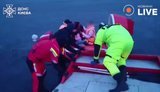
The SES's role in civilian safety is highlighted through various incidents, such as rescuing individuals trapped on frozen bodies of water or dealing with fires caused by malfunctioning generators. Each operation underscores the SES's dedication to protecting human life, addressing both unexpected emergencies and ongoing threats with professionalism and urgency.
How does SES prepare for ongoing threats from military conflict?
The SES prepares for threats from military conflict by maintaining readiness and conducting regular training. Their adaptive strategies enable them to respond rapidly to missile strikes and associated emergencies, ensuring public safety and reducing risks. Cooperation with other agencies is pivotal in enhancing their response capabilities amidst continued hostilities.
What are the main goals of SES operations during crises?
The main goals of SES operations during crises include saving lives, mitigating damage, and restoring a sense of security to affected areas. By efficiently managing resources and coordinating efforts under challenging circumstances, the SES aims to minimize the impact of both man-made and natural disasters, ensuring that the population receives timely assistance.
What training does SES staff undergo for crisis management?
SES staff undergo comprehensive training for crisis management, which includes scenario-based exercises, technical skill development, and disaster preparedness drills. This training equips them with the knowledge and skills to handle diverse emergencies, from addressing flood risks to executing complex rescue operations under combat conditions, thereby ensuring their effectiveness and reliability.
How do SES operations impact recovery in disaster-stricken areas?
SES operations critically impact recovery in disaster-stricken areas by enhancing resilience and facilitating rapid restoration efforts. Through their immediate response to emergencies and continued support during recovery phases, SES operations help stabilize communities, rebuild infrastructure, and restore essential services, thereby fostering long-term resilience.
How is the public advised to cooperate with SES during emergencies?
The public is advised to cooperate with the SES during emergencies by following guidelines, such as seeking shelter, heeding evacuation orders, and providing accurate information when contacting emergency services. Public cooperation enhances the effectiveness of rescue operations, reducing harm and ensuring coordinated efforts in crisis situations.