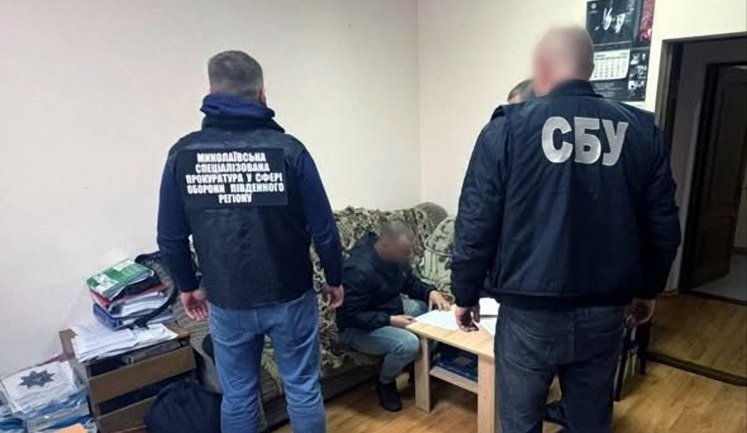
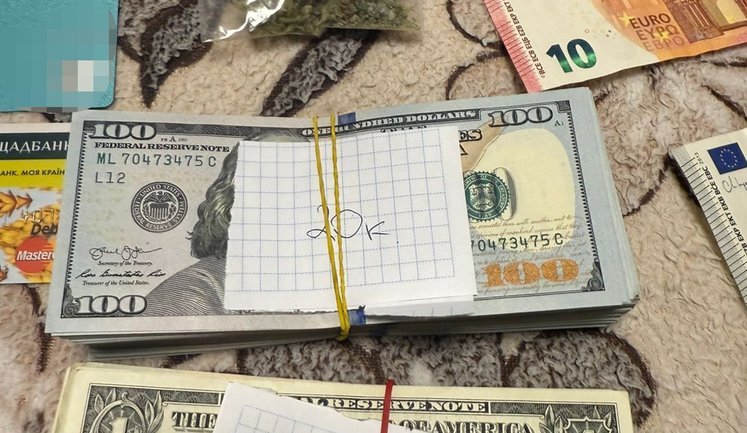
Corruption and mobilisation issues have intensified in Ukraine as multiple schemes and scandals have been unearthed. From the declaration of wealth far exceeding income by military personnel in Bucha to illegal registration of military personnel for rear positions in Rivne, the instances are widespread. In Dnipropetrovsk, officials discovered fake medical certificates being issued during MMC searches. Meanwhile, educational and cultural sectors face scrutiny, with postgraduate placements sold illicitly in Chernivtsi and fraudulent military service exposed in Dnipropetrovsk. In Kyiv and Volyn, illegal data updates on military records further illustrate the depth of the issue. These incidents reveal a troubling pattern as authorities work to dismantle these schemes and restore public confidence.
What are common corruption schemes related to mobilisation?
Common schemes involve bribery for evasion, fake certifications, and illegal registrations. Military and civil officials often manipulate systems to allow individuals, including those with influence, to avoid mandatory mobilisation or to gain advantageous positions illegitimately.
How has the State Bureau of Investigation responded to these schemes?
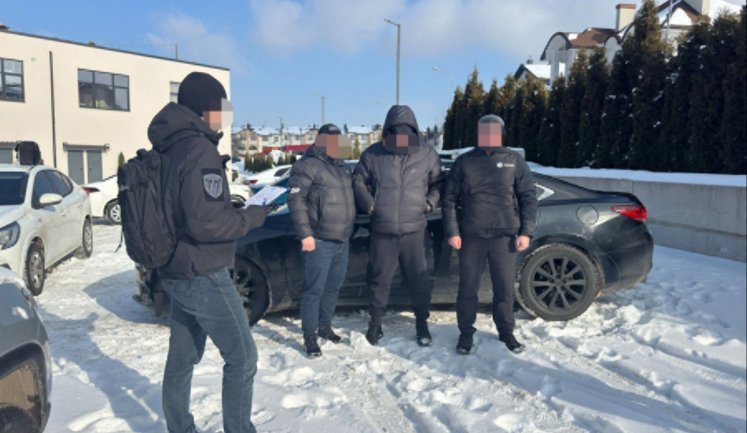
The State Bureau of Investigation, in conjunction with the National Police, has conducted numerous arrests and investigations. They focus on detaining officials involved in corrupt activities, such as head of military units altering records and issuing fake documents, ensuring accountability, and ceasing these practices.
What are the recent high-profile corruption cases in the military sector?
Recent cases include a military official in Bucha with undeclared wealth, issuance of fake medical certificates in Dnipropetrovsk, and a battalion command embezzling funds in Odesa. These expose deep-rooted issues within the military's handling of resources and personnel.
What effects do these mobilisation schemes have on Ukraine's national security?
Mobilisation corruption undermines national security by allowing unqualified or unaccounted individuals to evade service, weakening military readiness. It diverts resources from legitimate efforts, affects morale, and diminishes public trust in military and governmental institutions.
How are educational institutions involved in these corruption schemes?
In the education sector, schemes include selling admission to postgraduate programs, as seen in Chernivtsi. This affects the integrity of educational institutions and enforces inequality, as only those able to pay can benefit from advanced education opportunities unjustly.
What role does the Ministry of Culture play in mobilisation scandals?
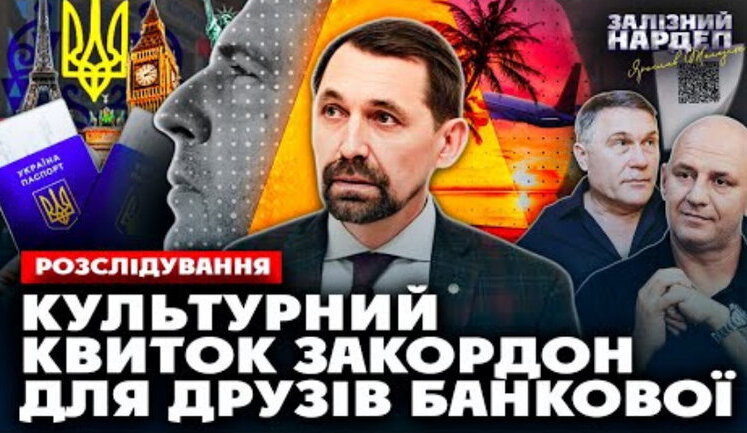
The Ministry of Culture has been implicated in facilitating illegal escapes abroad under the guise of cultural exchanges, allowing individuals to avoid mobilisation. Approximately 3,000 men exploited this loophole, significantly impacting the nation's ability to mobilize effectively during critical periods.
How are political figures involved in these mobilisation corruption cases?
Political figures, such as regional council deputies, have been found engaging in fraudulent activities, such as fictitious military service to enhance public image, acceptance of bribes for favourable votes, and leveraging positions for personal gain, undermining governance standards.
What measures are being taken to prevent future mobilisation-related corruption?
Authorities are enforcing stricter regulations, increasing transparency, and enhancing monitoring systems. The involvement of multiple law enforcement agencies, regular audits, and harsh penalties for offenders aim to deter future corruption, ensuring fair and accountable mobilisation processes.