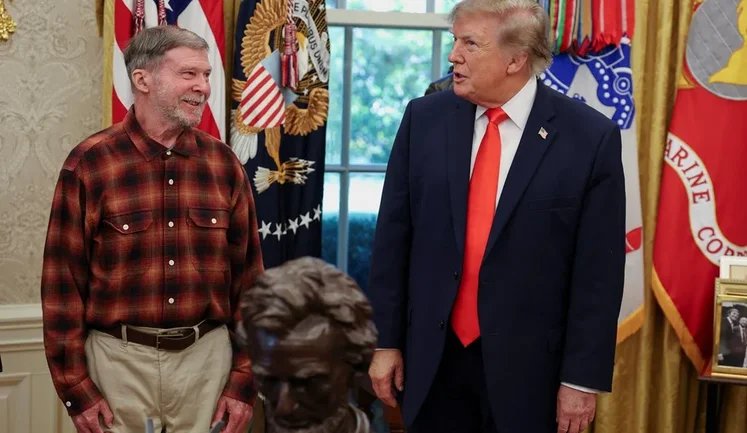
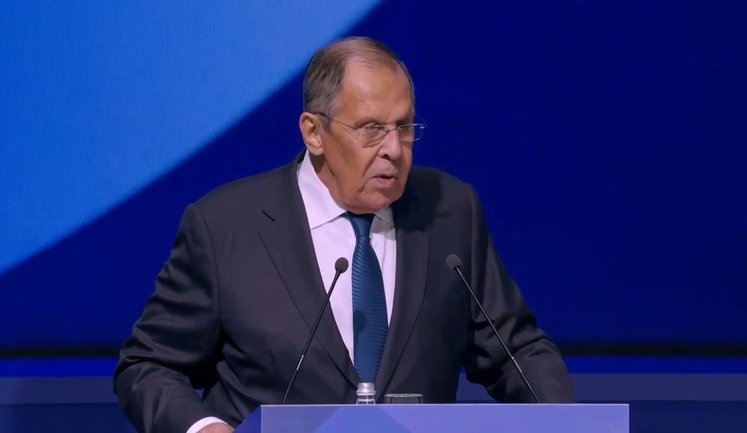
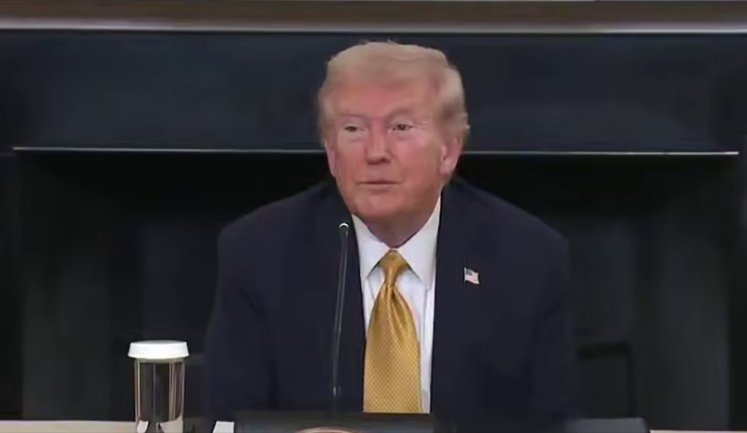
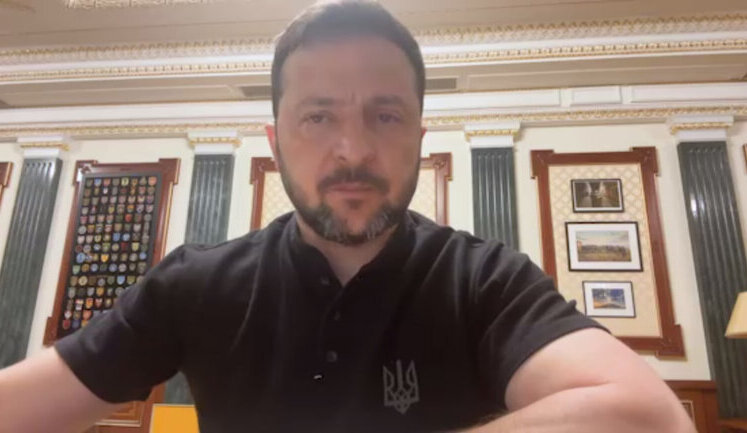
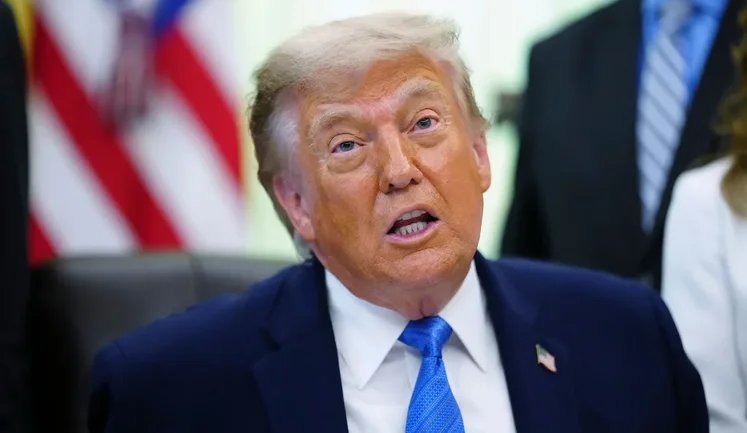
U.S. sanctions against Russia have become a focal point in political discussions, as Congress intensifies efforts to tighten the economic grip on Putin's regime. This follows President Donald Trump's controversial decision to temporarily ease sanctions on Russian diesel, allegedly to negotiate the release of political prisoners. Both Democrats and Republicans in Congress have expressed grave concerns, with the proposed "Lindsey Graham Act" aiming to enforce "hellish sanctions." These measures target Russian oil and aim to prevent any circumvention. Meanwhile, Ukraine continues to advocate for more severe sanctions, particularly focusing on curbing Russia's military advancements and destabilizing actions against Ukraine. The geopolitical implications are significant as the U.S. strategizes on maintaining strong alliances and deterring adversarial moves by Russia. As legislative debates evolve, the world watches how these sanctions will impact Russia's economy and its role on the global stage.
How have the U.S. sanctions against Russia affected international relations?
The U.S. sanctions against Russia have notably strained diplomatic relations, impacting global energy markets and geopolitical alliances. While the sanctions aim to limit Russia's military and economic power, they have also forced countries to navigate complex trade and diplomatic landscapes. Allies of the U.S. must align with these policies, while adversaries often seek ways to bypass them. This tension has led to increased focus on international cooperation and compliance in enforcing the sanctions effectively.
What is the key purpose of the "Lindsey Graham Act" regarding Russia?
The "Lindsey Graham Act" is a legislative proposal designed to impose severe economic sanctions on Russia. Its main purpose is to restrict Russia's ability to finance its military activities and undermine its influence by targeting the Russian oil sector and other critical areas of the economy. The act aims to demonstrate U.S. opposition to Russia's actions in Ukraine and hold accountable any entities assisting Russia in evading sanctions.
Why did Trump decide to temporarily ease sanctions on Russia?
President Trump temporarily eased sanctions on Russian diesel as part of a diplomatic move to negotiate the release of political prisoners. This decision, however, sparked significant controversy and criticism from lawmakers and international partners, who viewed it as undermining the overall goal of the sanctions. The temporary easing was seen as a strategic move but raised concerns about the consistency and effectiveness of U.S. foreign policy towards Russia.
What are the potential economic consequences for Russia if U.S. sanctions persist?
If U.S. sanctions persist, Russia could face a severe economic downturn. The sanctions target vital sectors such as oil, gas, and finance, which are crucial to the Russian economy. Persistent sanctions could lead to reduced government revenue, increased inflation, and a weakened ruble. Moreover, they could drive foreign investors away and affect Russia's ability to import goods and technologies, further isolating the nation from global trade networks.
How does Ukraine view the U.S. approach to sanctioning Russia?
Ukraine supports a stringent U.S. approach to sanctioning Russia, seeing it as essential to its national security and territorial integrity. Ukrainian leaders advocate for maximizing the economic pressure on Russia to deter its military aggression and destabilizing activities in the region. Ukraine actively collaborates with the U.S. to ensure that sanctions are comprehensive and effectively target the sectors enabling Russia's military operations.
What are the primary challenges in implementing U.S. sanctions against Russia?
The main challenges in implementing U.S. sanctions against Russia include ensuring international compliance, mitigating economic impacts on allies, and addressing potential loopholes that allow circumvention. Coordination with global partners is crucial for maintaining the pressure and legitimacy of the sanctions. Additionally, the dynamic geopolitical landscape requires constant monitoring and adaptation to prevent Russia from exploiting gaps or developing counter-strategies.
What role does Congress play in shaping U.S. sanctions policy toward Russia?
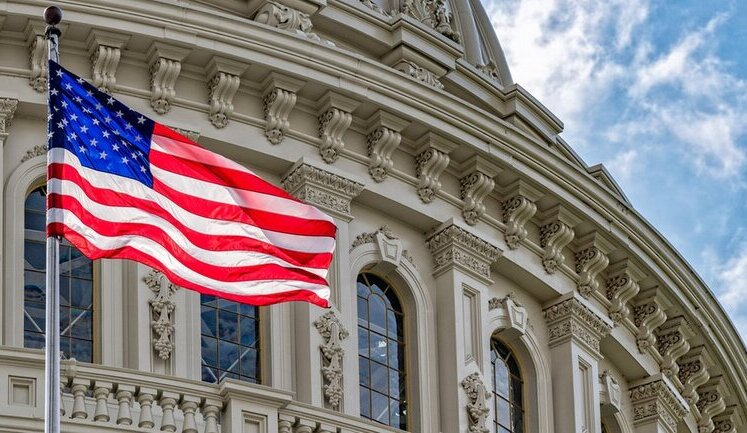
Congress plays a pivotal role in shaping U.S. sanctions policy toward Russia by drafting and passing legislative measures that outline the scope and specifics of sanctions. Congressional support ensures that the sanctions have the backing needed to be effective and legally binding. Bipartisan consensus, as exemplified by the "Lindsey Graham Act," reflects a unified approach and determination to uphold international norms and address security threats posed by Russia.