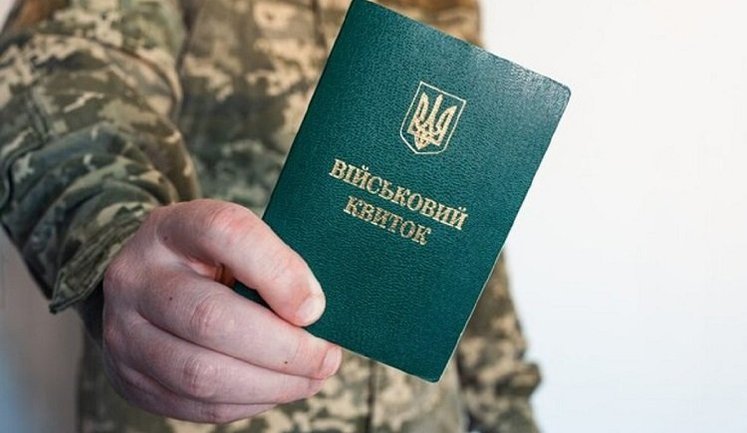
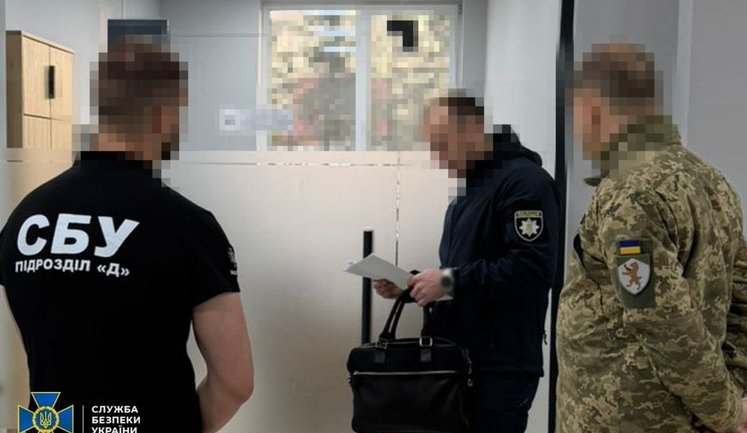
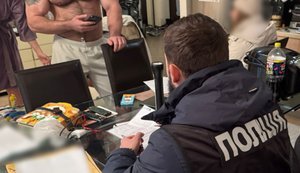
Recent investigations have unveiled extensive criminal activities aimed at evading mobilization across Ukraine. Authorities, including the Security Service of Ukraine, State Bureau of Investigation, and National Police, have exposed various fraudulent schemes, underscoring the challenge of maintaining a fair enlistment process. Techniques range from forged medical documents, fictitious employment, and judicial manipulation, to extreme methods such as illegal border crossings. These schemes offer evaders exemption for hefty fees, impacting both national security and public trust. Continuous law enforcement efforts are crucial to curbing these schemes and ensuring equitable mobilization in Ukraine.
What are the common schemes used to evade mobilization in Ukraine?
Common schemes include the forgery of medical documents, bribery of officials for legal exemptions, illegal border crossings, and creation of fictitious employment scenarios. These methods often involve significant financial transactions, as individuals are charged substantial sums to circumvent the legal process of conscription.
How is the Ukrainian government addressing mobilization evasion?
The Ukrainian government, in collaboration with various law enforcement agencies, is actively investigating and dismantling evasion schemes. This includes operations led by the Security Service of Ukraine, State Bureau of Investigation, and National Police. They focus on identifying and prosecuting the organizers and facilitators of such illegal activities to ensure a fair conscription process.
What legal consequences do individuals face for evading mobilization?
Individuals caught evading mobilization may face criminal charges, including forgery, corruption, and bribery. Depending on their involvement, punishments can range from fines and confiscation of illicit gains to imprisonment. Additionally, legislative discussions are ongoing regarding stricter penalties and sanctions to deter such activities.
What financial implications are involved in these evasion schemes?
Evasion schemes often involve significant financial transactions, with individuals paying anywhere from $3,000 to $36,000 to avoid military service. These payments are made to corrupt officials or criminal intermediaries who facilitate forged documents, fake disability certificates, or illegal crossings, indicating a lucrative underground market.
Are educational institutions involved in mobilization evasion schemes?
Yes, investigations have revealed that some educational institutions have been complicit in creating false employment scenarios for individuals claiming exemption from mobilization. This includes accepting bribes in exchange for student statuses that falsely exempt individuals from conscription, highlighting institutional corruption.
Is there a pattern in the regions affected by evasion schemes?
Evasion schemes have been uncovered across various regions in Ukraine, indicating a widespread issue. Significant activity has been found in Kyiv, Odessa, and regions bordering other countries, where illegal crossings are more prevalent. This pattern suggests that both urban and rural areas are exploited for such schemes.
Can foreign travel be impacted by mobilization laws in Ukraine?
Yes, individuals subject to conscription laws might face restrictions on foreign travel. Schemes that facilitate illegal border crossings or provide false documentation for travel can lead to legal repercussions, affecting future travel capabilities and leaving individuals subject to prosecution upon discovery.