



9 out of 45 missiles and 406 enemy drones destroyed, - Air Force
On the night of November 8, 2025, Russian forces launched a combined strike on critical infrastructure in Ukraine using strike UAVs and air-, ground-, and sea-based missiles.
This was reported by Censor.NET with reference to the press center of the Air Force Command.
What did the occupiers use to beat them?
As noted, in total, the Air Force's radio-technical troops detected and tracked 503 air attack weapons—45 missiles (including 32 ballistic missiles) and 458 UAVs of various types (about 300 of which were Shahed UAVs):
- 458 Shahed-type strike UAVs, Gerbera (other types of drones);
- 25 Iskander-M/KN-23 ballistic missiles (from Kursk, Voronezh, and Rostov regions – Russian Federation);
- 10 Iskander-K cruise missiles (from Kursk and Voronezh regions, Russian Federation);
- 7 Kh-47M2 "Kinzhal" aeroballistic missiles (from Tambov Oblast, Russian Federation);
- Three Kalibr cruise missiles (from the Black Sea).
"The main targets are the Kyiv, Dnipropetrovsk, and Poltava regions," the Air Force specified.
How did our air defense system perform?
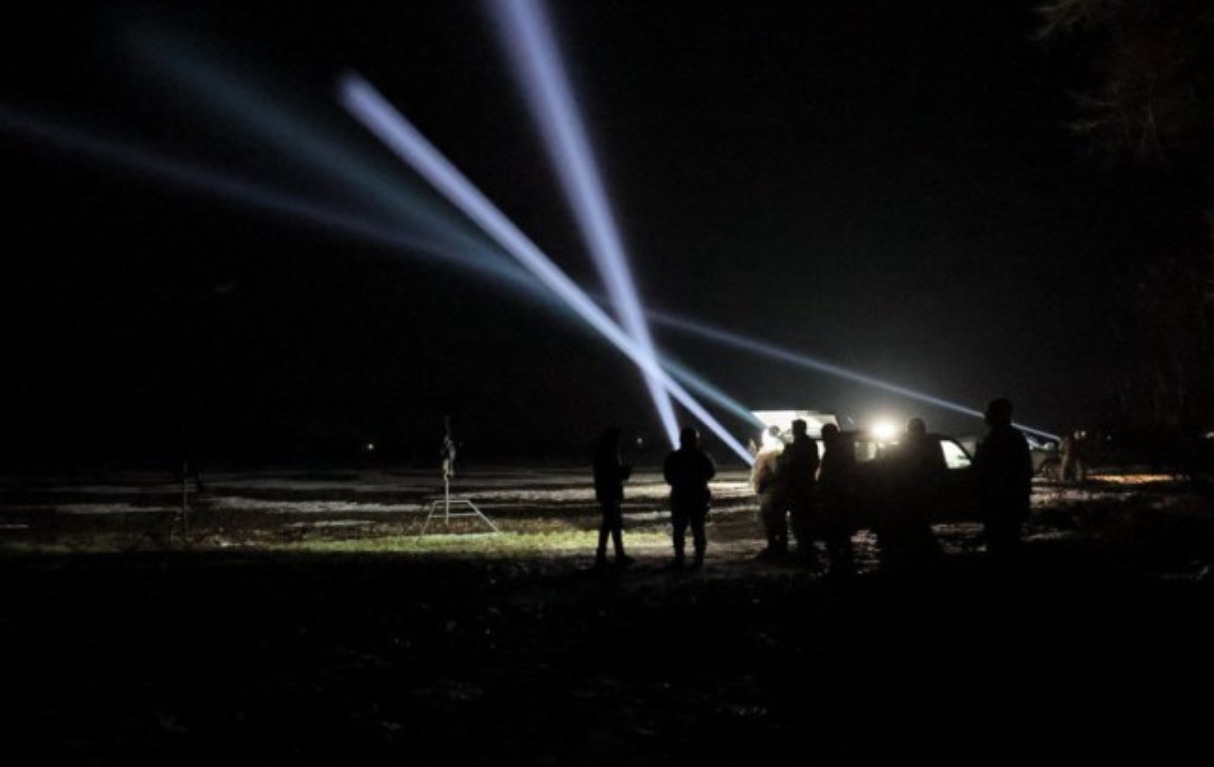
The air attack was repelled by aviation, anti-aircraft missile forces, electronic warfare, and unmanned systems units, and mobile fire groups of the Ukrainian Defense Forces.
According to preliminary data, as of 10:00 a.m., air defense forces shot down/suppressed 415 air targets:
- 406 Shahed-type strike UAVs, Gerbera (other types of drones);
- 9 missiles of various types.
Hitting the mark
Currently, 26 missiles and 52 strike UAVs have been recorded hitting 25 locations, with debris falling in four locations in different regions of Ukraine. In addition, as of 10:00 a.m., information regarding the fall/impact of 10 enemy missiles is being verified.
Massive combined strike on November 8
On the evening of November 7 and throughout the night of November 8, Russia carried out another massive air attack on Ukraine. The enemy used kamikaze drones, cruise and ballistic missiles, including Kalibr and Kinzhal. Air raid alerts were declared in most regions.
The first groups of UAVs entered from the east, and the attack subsequently gained momentum, with Russian tactical aviation activity, new waves of drones from the Black Sea, and missiles targeting central and northern regions of Ukraine being recorded.
The following were under threat:
-
Kyiv and the Kyiv region - there were multiple reports of hostile UAVs over the capital and suburbs, air defense systems were activated.
-
the Poltava region - launches of "Kinzhal" missiles in the direction of Kremenchuk were recorded.
-
the Chernihiv, Sumy, and Kharkiv regions – several waves of UAVs from the north and Russia.
-
the Odesa and Mykolaiv regions - threat of attacks from the sea.
-
the Dnipropetrovsk, Cherkasy, Zaporizhzhia regions – movement of drones and missiles towards large cities.
-
Kherson region - attacks from the north and the Black Sea.
The most intense activity was recorded between midnight and 6 a.m.: the Air Defense Forces reported groups of "Shaheds" flying in the direction of Kyiv, Poltava, Dnipro, and Central Ukraine.


