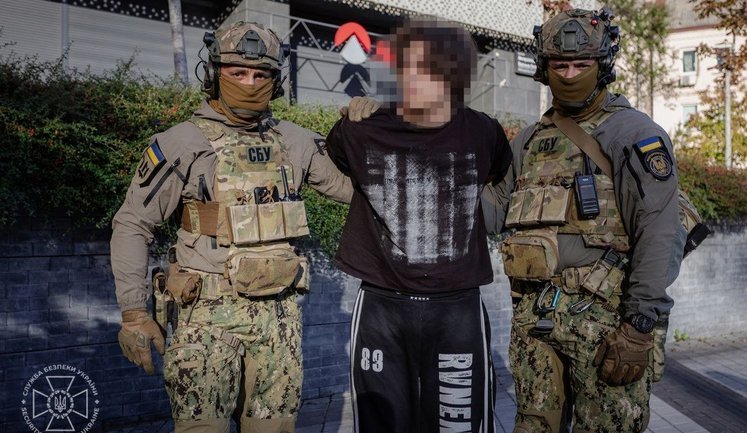
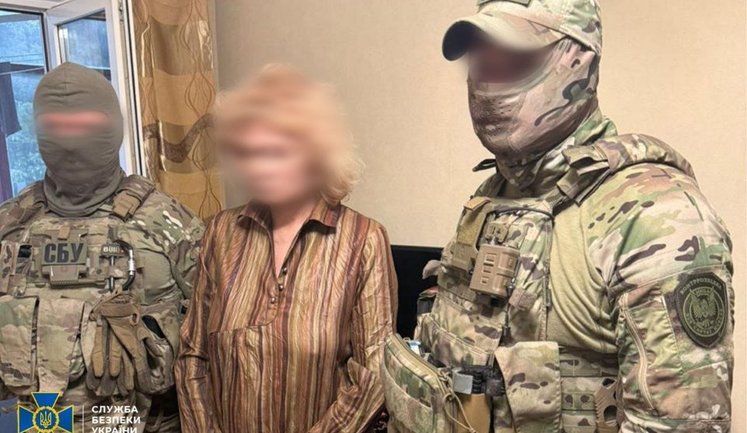
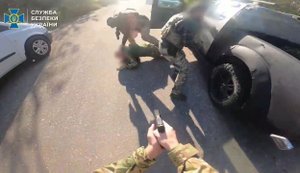
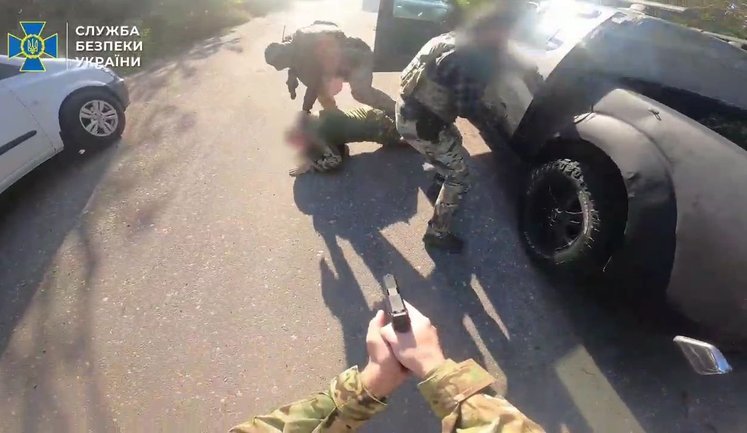
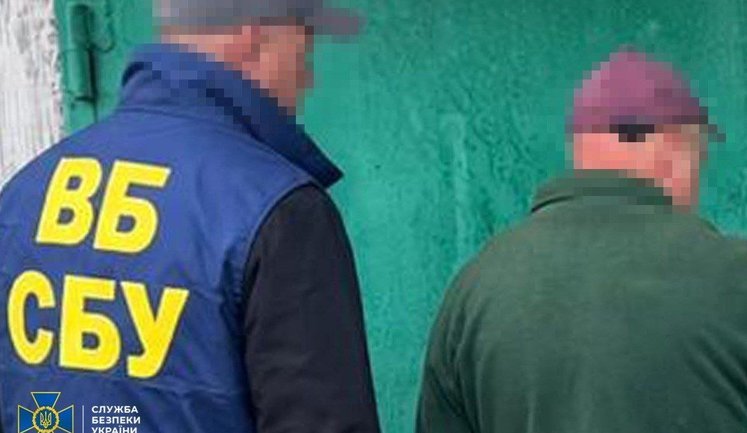
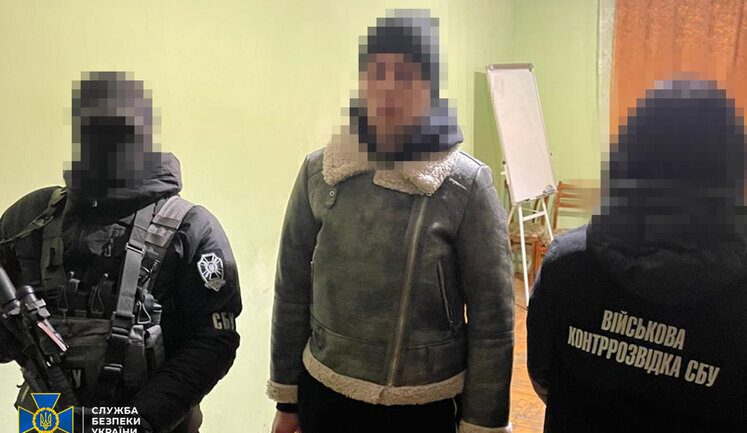
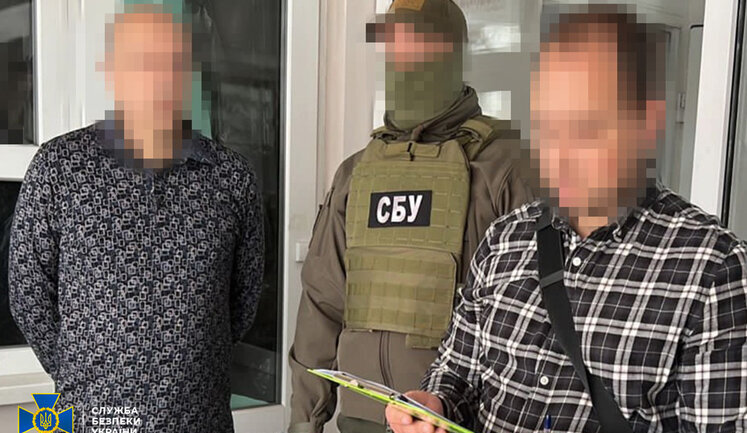
The Security Service of Ukraine (SSU) continues to tackle the threat of espionage and sabotage, detaining numerous Russian agents involved in adjusting military strikes across the country. These agents have been identified as facilitators for missile and drone attacks on strategic locations, including defense plants, energy facilities, and the Armed Forces of Ukraine. The SSU's counter-intelligence operations have led to the arrest of enemy spotters and agents who provided vital coordinates to the Russian military, enabling targeted strikes that disrupt both military and civilian infrastructures. This ongoing threat underscores the importance of vigilance and security measures to protect Ukraine's sovereignty and infrastructure from further hostile activities.
How does the SSU counteract Russian espionage activities?
The SSU employs extensive counter-intelligence operations focusing on identifying and detaining Russian agents involved in espionage and sabotage. Their operations include close monitoring of suspicious activities, collaboration with military and local law enforcement agencies, and leveraging advanced investigative techniques to apprehend suspects before they can execute their plans. These measures ensure that those plotting to coordinate or adjust strikes against Ukrainian targets are neutralized effectively.
What type of targets are usually focused on by Russian agents?
Russian agents target a variety of strategic locations, including military installations, defense manufacturing facilities, and energy infrastructure. They aim to disrupt logistics, impair defenses and affect critical supplies and infrastructure vital for Ukraine's defense capabilities. Additionally, locations such as administrative buildings and significant industrial areas are also at risk, underscoring the need for anti-espionage vigilance.
What are the legal consequences faced by caught Russian agents?
Caught Russian agents face severe legal consequences, including lengthy prison sentences upon conviction. They are often charged with espionage, treason, terrorism-related activities, or other serious offenses, resulting in sentences that can extend up to life imprisonment. Confiscation of property is also a common outcome in these cases, further penalizing unlawful activities against Ukrainian sovereignty.
In which regions has SSU found and detained Russian agents recently?
The SSU has actively detained Russian agents across various regions such as Dnipropetrovsk, Kharkiv, Odesa, Kyiv, and Donetsk. These regions highlight the broad reach of espionage activities due to their strategic importance in defense manufacturing, military logistics, and energy distribution. The ongoing operations reflect the extensive network of espionage and sabotage attempts by hostile actors.
Why is the SSU focusing efforts on combating strike adjustments?
Combatting strike adjustments is critical to safeguarding Ukrainian territories and people because adjusted strikes typically lead to higher precision in targeting vital infrastructure and defense positions. By foiling these attempts, the SSU ensures that potential damages are minimized, thereby maintaining the integrity of the country's defense capabilities and protecting civilians from harm.
How do Russian agents operate within Ukrainian society?
Russian agents often embed within local communities by taking up normal employment or engaging in seemingly innocuous activities to avoid detection. They may use advanced technological means such as GPS trackers and hidden cameras for intelligence gathering. These agents exploit their local knowledge and connections to facilitate coordination of strikes or to recruit additional informants, making them a significant threat to national security.