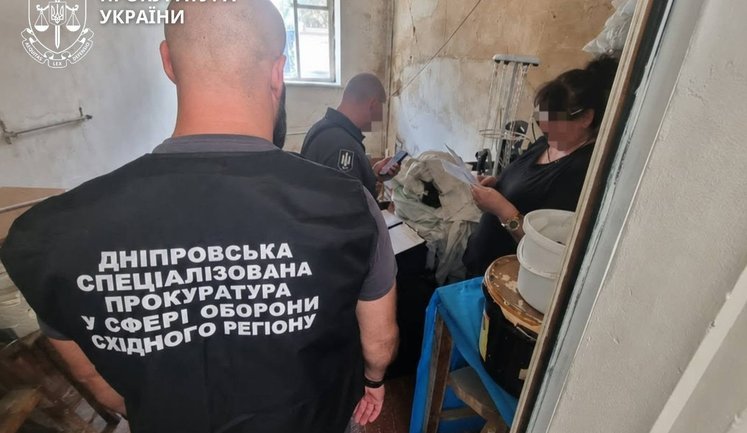
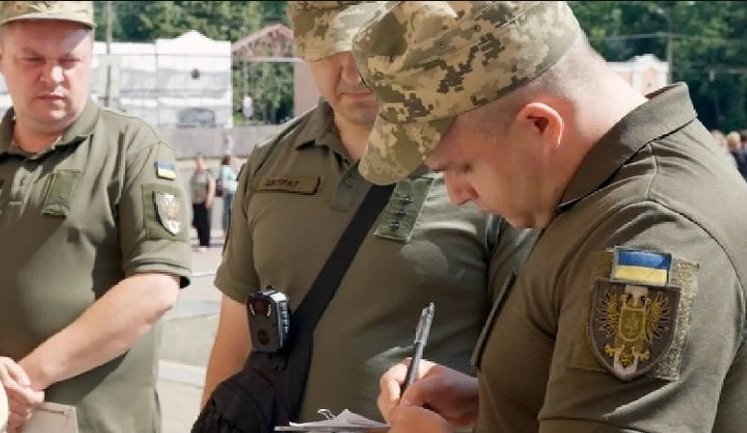
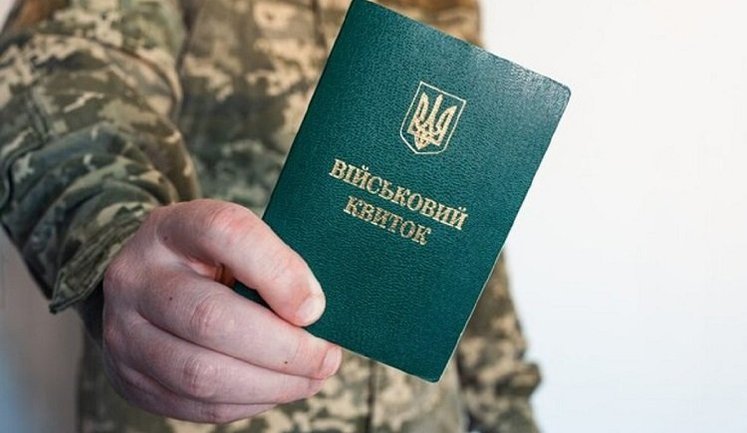
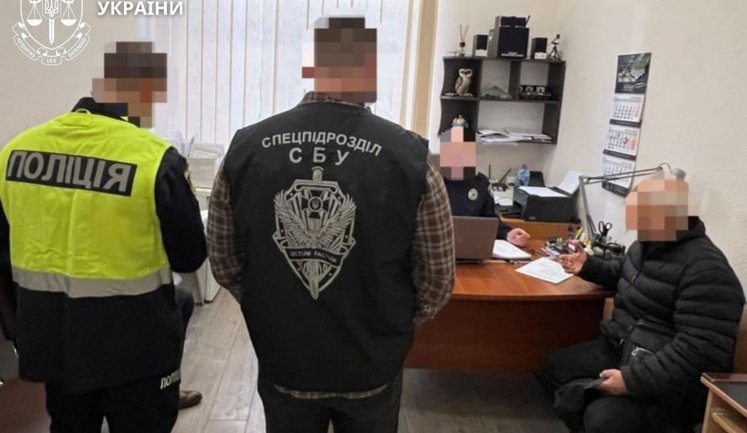
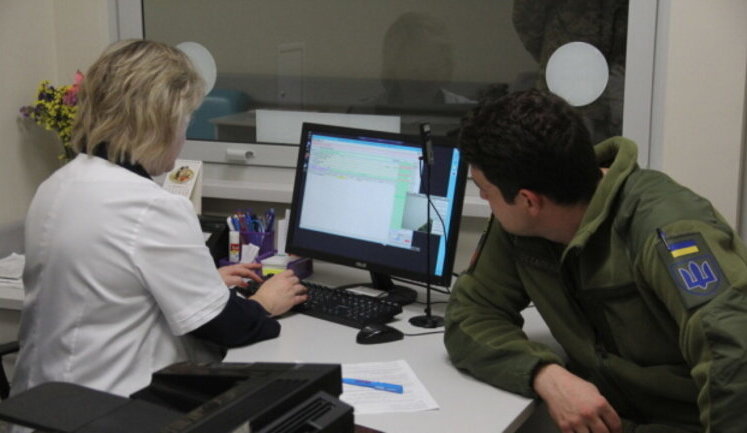
The Military Medical Commission (MMC) in Ukraine has become a focal point for numerous investigations and reforms. Recent exposes reveal serious issues, such as the arrest of a Dnipro nurse involved in a $12,000 scheme to falsify medical diagnoses for soldiers seeking discharge. This highlights ongoing concerns about corruption within the MMC system. In response, the Ukrainian authorities, including the National Police, are intensifying their efforts to combat such fraudulent activities. Notably, 76 TCR heads are under suspicion, and nearly 2,500 medical deferments have been scrutinized. Meanwhile, the Ministry of Defense of Ukraine is actively working on reforms to improve the selection process, enhance MMC functions, and address mobilization challenges. These steps aim to rectify existing flaws and ensure that individuals fit for military service are correctly identified. Additionally, nationwide efforts are underway to digitize and reform MMC processes, providing a transparent and efficient system.
What are the main challenges facing the Military Medical Commission in Ukraine?
The Military Medical Commission in Ukraine faces challenges including corruption, fraudulent medical diagnoses, and inefficient processes, resulting in scrutiny from authorities and demands for systemic reform to ensure fair and accurate assessments of military fitness.
How are Ukrainian authorities addressing corruption in the Military Medical Commission?
Authorities in Ukraine are tackling corruption within the Military Medical Commission by investigating fraudulent schemes, arresting involved personnel, and scrutinizing thousands of suspicious medical deferments. These actions aim to restore integrity and transparency to the MMC's operations.
What reforms have been proposed for the Military Medical Commission in Ukraine?
Reforms for the Military Medical Commission in Ukraine include improving the selection process and digitizing MMC functions to enhance transparency and efficiency. These measures aim to address existing flaws and ensure an effective mobilization process.
What steps is the Ministry of Defense taking to improve the military mobilization process?
The Ministry of Defense of Ukraine is advancing reforms to refine the mobilization process by overhauling the Military Medical Commission's procedures, focusing on accurate assessments and eliminating fraudulent practices to ensure a capable and ready-to-serve military force.
What are the recent legal actions against fraud in Ukraine's Military Medical Commission?
Recent legal actions against fraud in the Military Medical Commission include multiple arrests for bribery and document falsification, involving both MMC officials and external actors, with ongoing investigations into over 2,500 scrutinized medical deferments.
How are fraudulent mobilization schemes being uncovered in Ukraine?
Fraudulent mobilization schemes in Ukraine are being uncovered through joint operations by the National Police and State Bureau of Investigation, targeting dishonest practices in issuing medical certificates and identifying corrupt MMC and TCR officials involved in such activities.