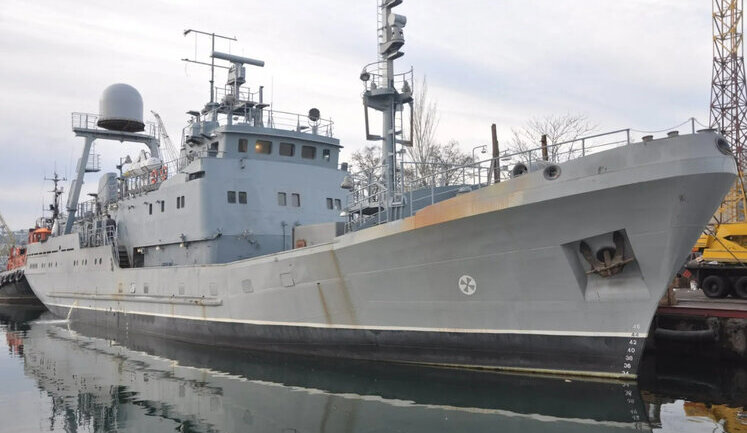
Pletenchuk Dmytro has been vocal about the evolving tactics of Russia in the Black Sea amidst ongoing conflict. According to him, Russia is increasingly relying on its submarine fleet, utilizing GPS spoofing technology for transporting sanctioned oil, and adapting to adverse weather conditions which limit their missile launch capabilities. Notably, Pletenchuk highlighted incidences such as Russian forces striking their own aircraft in Crimea and the use of record numbers of Shahed drones in Odesa. He also pointed out that the Russian Navy can't influence hostilities effectively due to Ukrainian countermeasures. These adaptations reflect Russia's strategic pivot in response to Ukrainian naval and aerial defenses.
What is Pletenchuk Dmytro's view on Russian Black Sea fleet tactics?
Pletenchuk Dmytro notes that Russia has shifted to using submarines in the Black Sea, making them harder to detect and counter. This change is part of their strategy to adapt to increasing threats and challenges in the region.
How has Pletenchuk Dmytro reported on the use of drones by Russia?
Pletenchuk reported that Russia uses a record number of Shahed drones to attack locations like Odesa, integrating them with missile strikes. This strategy indicates an evolving and aggressive use of unmanned aerial vehicles (UAVs).
Why are Russian ships less active in the Black Sea according to Pletenchuk Dmytro?
According to Pletenchuk Dmytro, harsh weather conditions and Ukrainian defenses have made it difficult for Russian ships to operate in the Black Sea, leading to a decreased presence and activity in the region during storms and military confrontations.
What are the implications of GPS spoofing used by Russia, as mentioned by Pletenchuk Dmytro?
Pletenchuk highlights that Russia uses GPS spoofing to transport sanctioned oil discreetly, avoiding detection and penalties. This tactic shows their attempt to circumvent international sanctions and continue their economic activities.
What challenges does the Russian Navy face in logistics according to Pletenchuk Dmytro?
Pletenchuk mentions that logistical challenges are significant for the Russian Navy, especially in the Mediterranean, due to the closed Bosphorus strait. These issues complicate resupply and affect their operational capabilities in distant regions.