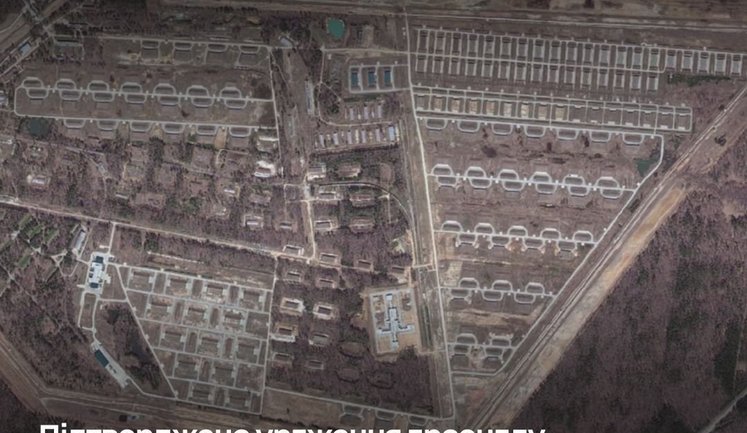
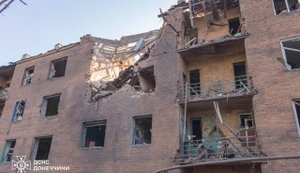
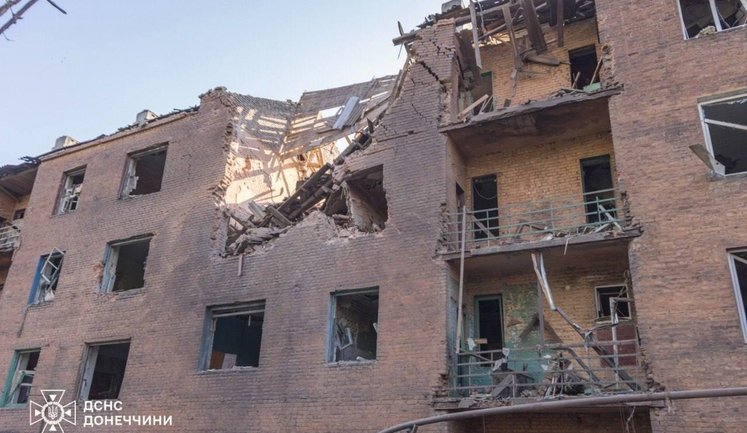
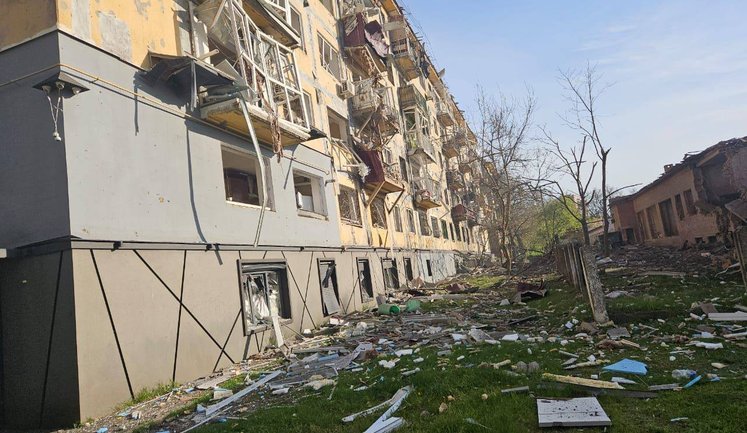
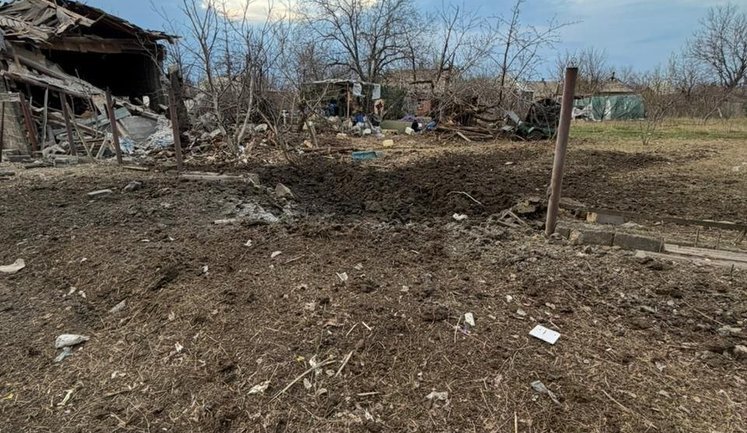
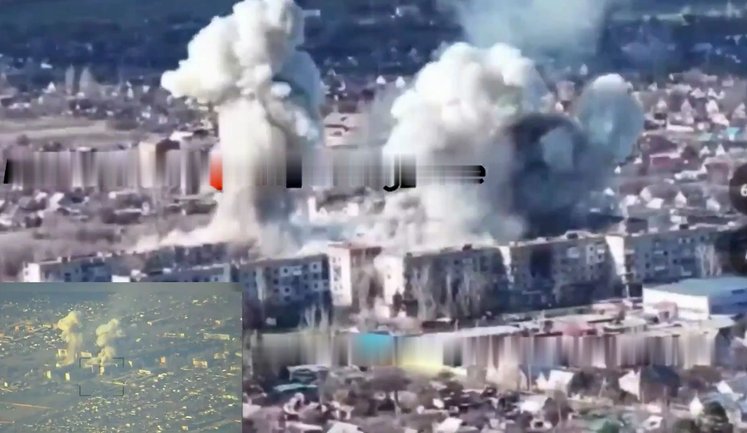
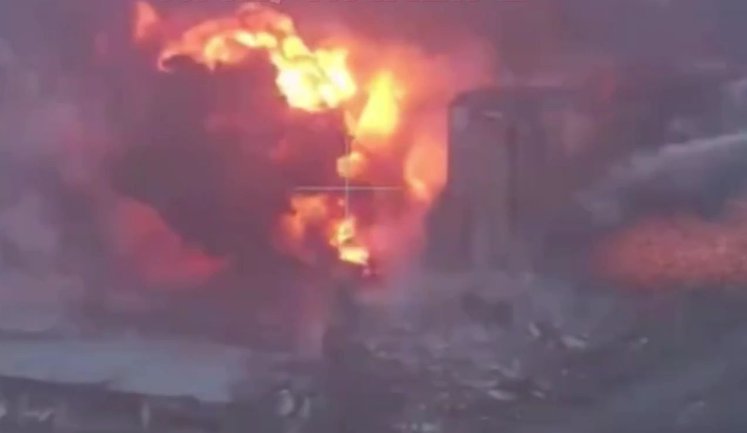
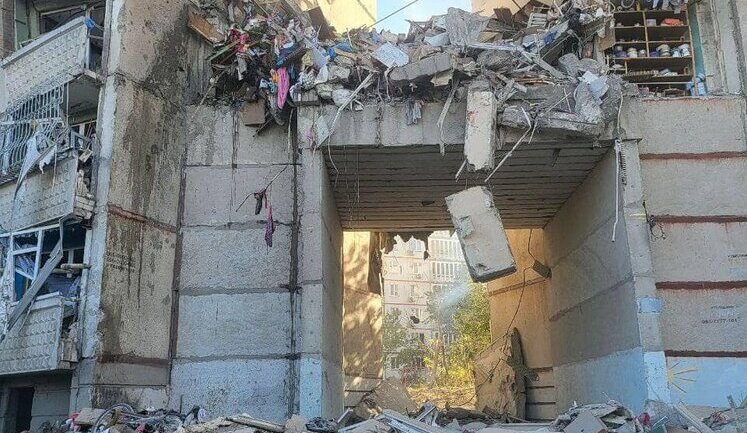
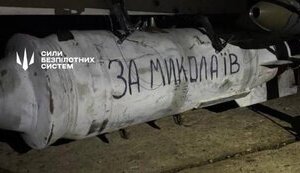
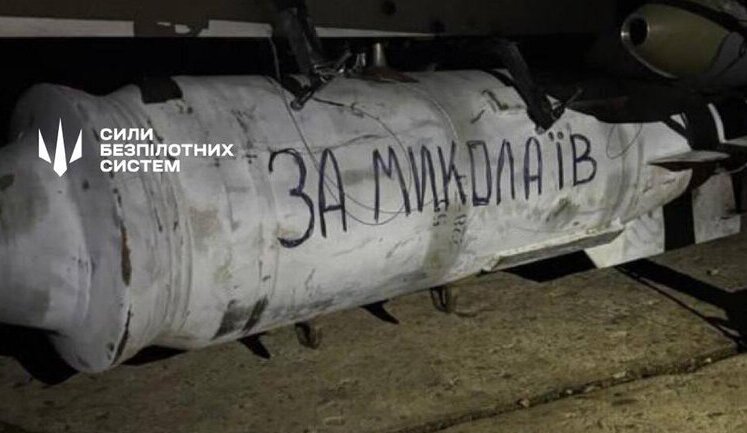
The usage of FAB bombs by Russian forces in Ukraine has caused significant destruction and loss of life across various regions. Notably, airstrikes utilizing FAB-500 and FAB-3000 bombs have been reported in Huliaipole, Myrnohrad, and other areas, targeting residential buildings and causing severe civilian casualties. In the Donetsk region, particularly in cities like Kostiantynivka and Sloviansk, these bombings have led to the death and injury of many, further exacerbating the humanitarian crisis. Moreover, the strategic use of these bombs aims to destabilize regions and inflict maximum damage on infrastructures. Despite ongoing rescue and repair efforts, the threat of further strikes remains, highlighting the pressing need for enhanced defensive strategies and international diplomatic interventions.
What is the impact of FAB bombs in the Zaporizhzhia region?
The use of FAB bombs, such as the FAB-500, in the Zaporizhzhia region has caused significant destruction, targeting civilian areas and infrastructure, resulting in casualties and the displacement of residents. These bombings aim to destabilize the region and intimidate civilian populations.
How have FAB-3000 bombs affected Myrnohrad in the Donetsk region?
In Myrnohrad, the deployment of FAB-3000 bombs by Russian forces has devastated residential areas. These attacks have destroyed homes and endangered the lives of approximately 1,500 civilians who remain in the city amidst ongoing airstrikes.
Are there efforts to defuse unexploded FAB bombs?
Yes, specialized units in Ukraine, such as SES sappers, actively work on defusing unexploded bombs. These efforts are crucial to ensure the safety of civilians and facilitate the restoration of affected areas. Successful defusal operations have been conducted in several regions including Kharkiv and Mykolaiv.
What measures are in place for civilian safety in bombed areas?
Authorities have implemented evacuation protocols and emergency response measures to protect civilians in areas targeted by FAB bombings. Rescue operations prioritize the evacuation of injured individuals and clearing areas of explosives to facilitate safe return and reconstruction.
How do FAB bombs impact humanitarian conditions in Ukraine?
The persistent use of FAB bombs in Ukraine severely affects humanitarian conditions by increasing the number of displaced persons, impeding access to basic services, and escalating the need for international aid and support to address the resulting humanitarian crisis.
What international responses have been made to the use of FAB bombs?
International bodies and organizations have condemned the use of FAB bombs in Ukraine, calling for immediate cessation of hostilities and increased diplomatic efforts. Humanitarian aid and support for affected civilians have been key focus areas for global partners.
Which Ukrainian regions have been most affected by FAB bombings?
Donetsk, Zaporizhzhia, and Kharkiv have been notably impacted by FAB bombings, with multiple reports of high civilian casualties and significant infrastructure damage. These regions face continual threats and require urgent humanitarian assistance and recovery support.
How do FAB-250 bombs differ from larger FAB bombs?
FAB-250 bombs are lighter and smaller compared to larger models like the FAB-3000. They are used for targeted airstrikes and can cause significant damage to localized areas, often resulting in civilian injuries and destruction of property.
What challenges do emergency services face in bomb-affected areas?
Emergency responders face numerous challenges, including the presence of unexploded ordnance, severely damaged infrastructure hindering rescue operations, and a lack of resources to promptly address the vast humanitarian needs in the aftermath of bombings.
What role does international media play in reporting FAB bombings in Ukraine?
International media plays a critical role in raising global awareness of the impact of FAB bombings. By documenting and reporting on these events, media outlets help to inform worldwide audiences and pressure international governments to respond with diplomatic efforts and humanitarian aid.