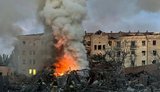
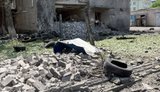
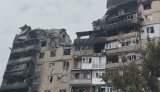
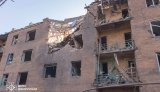
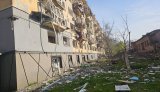
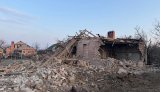
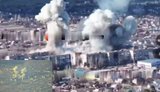
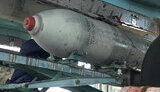
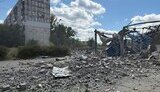
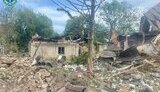
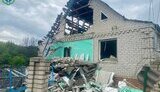
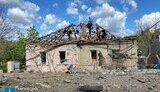
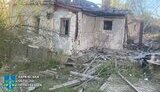
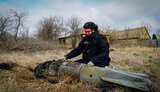
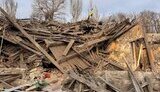
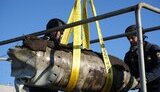
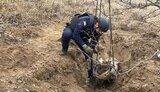
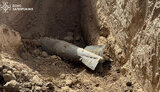
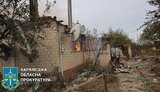
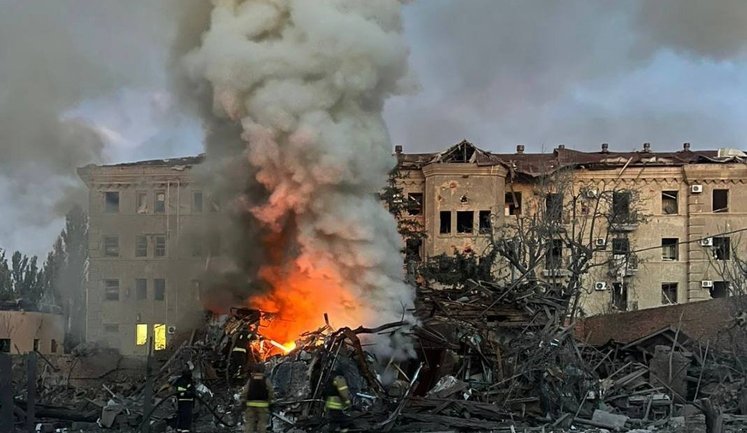
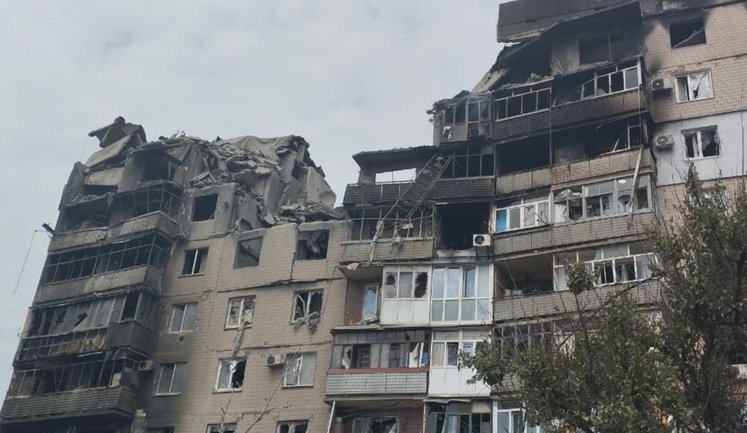
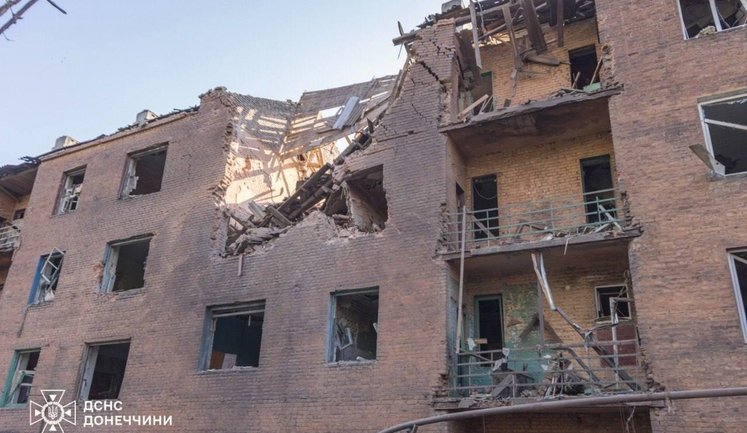
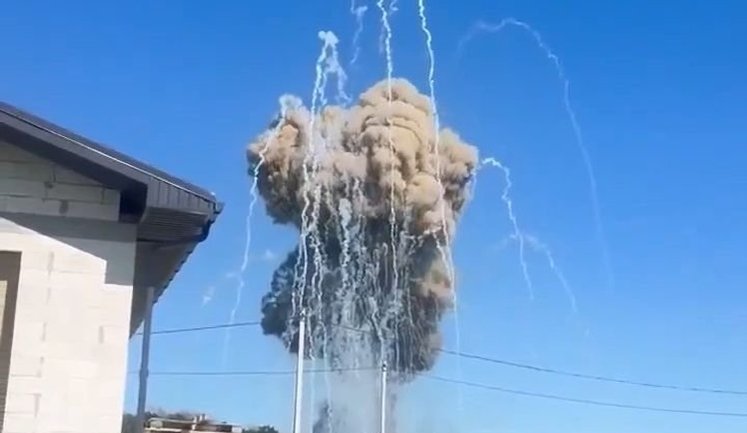
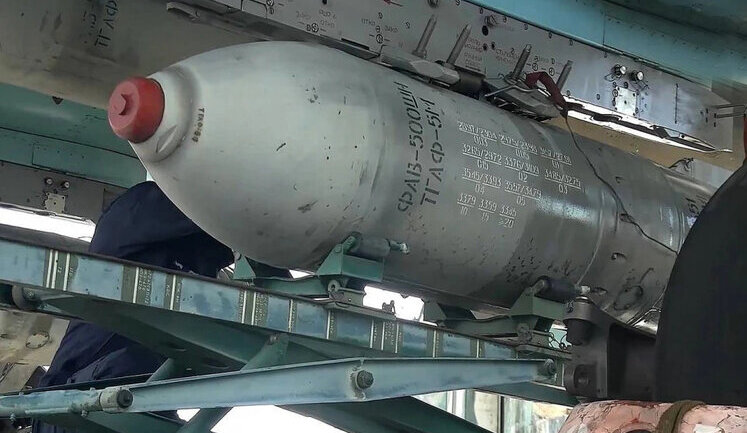
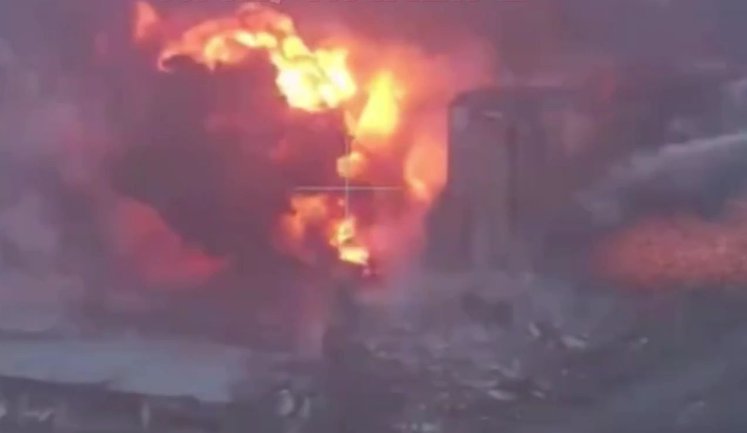
The ongoing conflict between Russia and Ukraine has seen the extensive use of FAB bombs by Russian forces, resulting in significant civilian casualties and infrastructure damage. Attacks in Sloviansk and Druzhkivka have highlighted the devastating impact of these aerial explosive devices. Reports indicate that civilian areas have repeatedly been targeted, raising humanitarian concerns and prompting international attention. As Ukrainian Defense Forces continue to counter these aggressive acts, the use of FAB bombs remains a significant issue in ongoing hostilities between the two nations.
What is a FAB bomb and why is it used by Russia?
FAB bombs are Soviet-era aerial explosive devices used for their destructive capacity. Russia employs them to target enemy infrastructure and disrupt opposing forces' operations, causing destruction particularly in civilian areas.
How many civilian casualties have resulted from FAB bombs in Ukraine?
There have been numerous reports of civilian casualties due to FAB bomb airstrikes. Incidents in Sloviansk and Druzhkivka have resulted in deaths and injuries, with each occasion causing multiple civilian fatalities and injuries.
Which Ukrainian cities have been most affected by FAB bomb attacks?
Donetsk region cities like Sloviansk and Druzhkivka, among others, have been heavily impacted by FAB bomb attacks, suffering from significant casualties and infrastructure destruction in their residential areas.
How has Ukraine responded to Russia's use of FAB bombs?
Ukraine's response involves defense operations targeting Russian military assets and enhancing air defense systems. Ukrainian forces are also utilizing their missile and artillery systems to deter further Russian advancements.
Are there any legal implications for Russia's use of FAB bombs in Ukraine?
The use of FAB bombs on civilian populations may constitute a violation of international laws and conventions, prompting potential calls for investigations into war crimes and human rights abuses by Russian forces.
What international reactions have followed the use of FAB bombs?
International outcry has focused on the humanitarian impact, with global entities condemning the use of such destructive weaponry on civilians, urging diplomatic resolutions and increased humanitarian aid to affected regions.