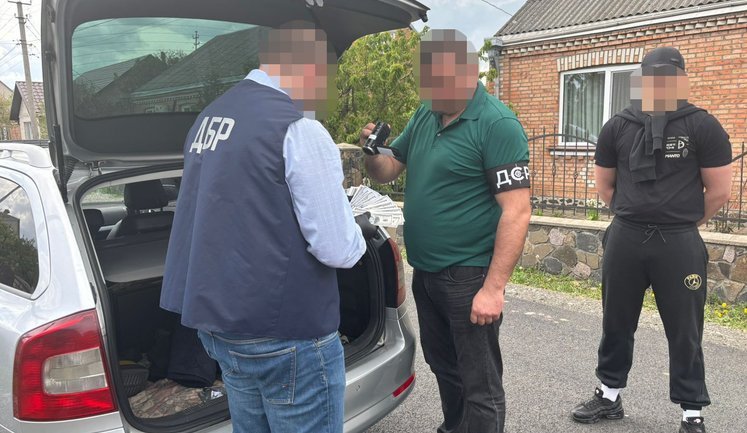
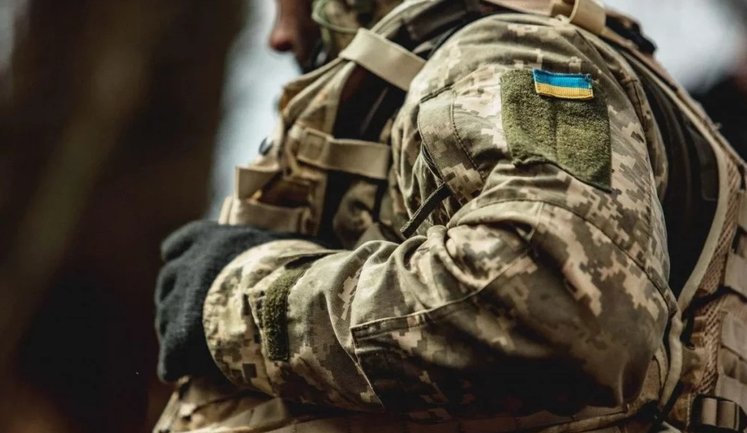
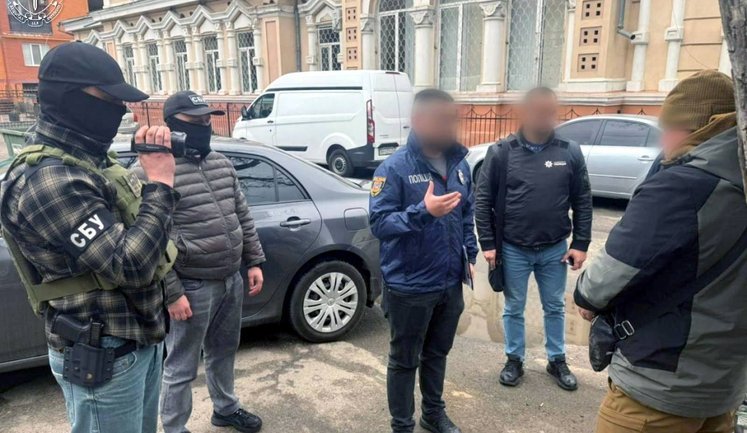
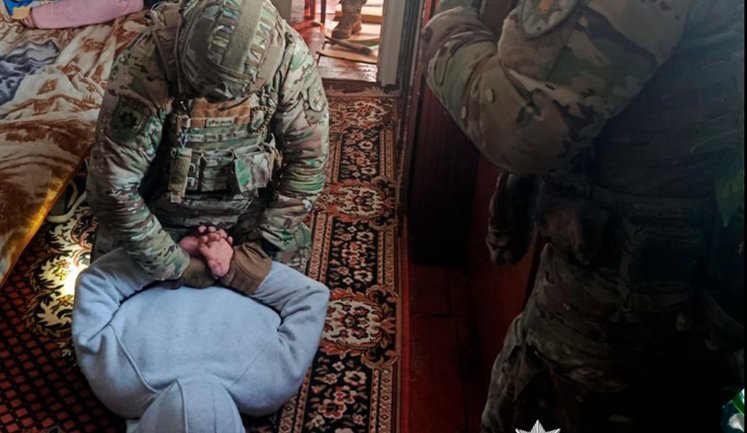
AWOL, or "Absent Without Leave," continues to be a significant issue within Ukraine's military, with multiple high-profile cases reported. Recent court decisions, such as the five-year sentence for a soldier from the Lviv region, highlight strict enforcement. The Defense Ministry is implementing reforms to address mobilization, service terms, and AWOL. President Zelenskyy emphasizes effective measures for managing AWOL. Additionally, corruption related to AWOL has surfaced, with officials in regions like Odesa detained for bribery. Ukrainian authorities aim to counter AWOL through legislative adjustments and enhanced military protocols.
What are the recent changes in Ukraine's AWOL policies?
The Ukrainian government, led by the Ministry of Defense, is rolling out reforms targeting mobilization and AWOL. These changes include stricter enforcement protocols for unauthorized absences from military duty and enhanced procedures for reporting and managing AWOL cases. A key part of the strategy involves addressing issues like morale and service terms to prevent desertions.
How is AWOL affecting the Ukrainian military?
AWOL incidents pose challenges to Ukraine's military cohesion and readiness. Reports indicate a rise in AWOL cases over recent years, prompting reforms and stricter legal measures. The military's response aims to maintain personnel strength and address underlying causes of absenteeism.
What legal measures exist for soldiers who go AWOL in Ukraine?
Ukrainian law enforces strict penalties for soldiers who go AWOL, with court rulings reflecting this. Sentences often include prison terms, underscoring the seriousness of unauthorized absences. Recent legal reforms aim to provide clear procedures for soldiers wishing to return to service without facing criminal penalties under specific conditions.
What efforts are being made to prevent AWOL in the Ukrainian military?
Efforts to prevent AWOL include comprehensive reforms by the Defense Ministry, focusing on improving service terms and addressing morale issues. The government is also tackling corruption linked to AWOL by arresting those involved in bribery schemes to cover up or assist absentees. Public awareness and stricter enforcement are part of the strategy.
How is the issue of AWOL impacting military law enforcement in Ukraine?
AWOL has become a significant focus for military law enforcement in Ukraine. Increased cooperation between law enforcement and military agencies aims to detect and manage cases effectively. Operations have led to the detention of servicemen and officials involved in AWOL-related corruption. This collaboration highlights the commitment to reducing unauthorized absences and ensuring order within the armed forces.