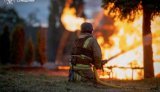
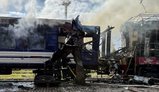
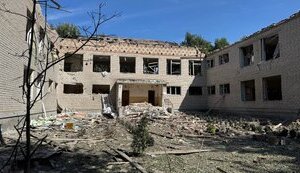
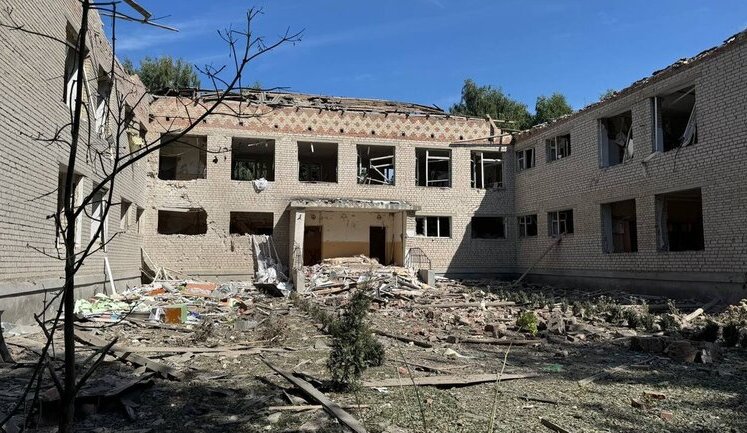
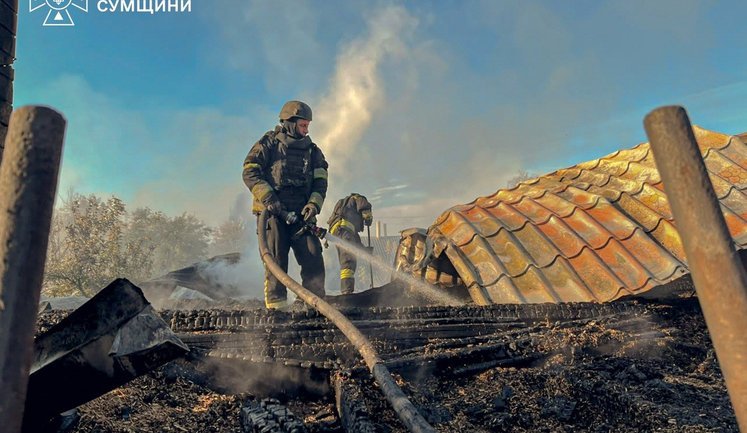
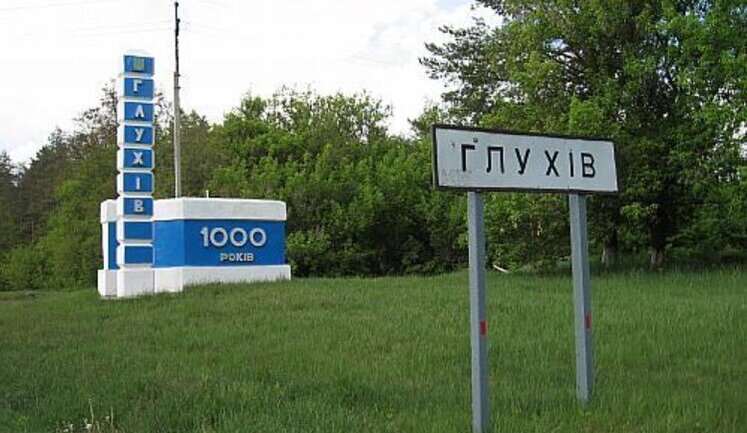
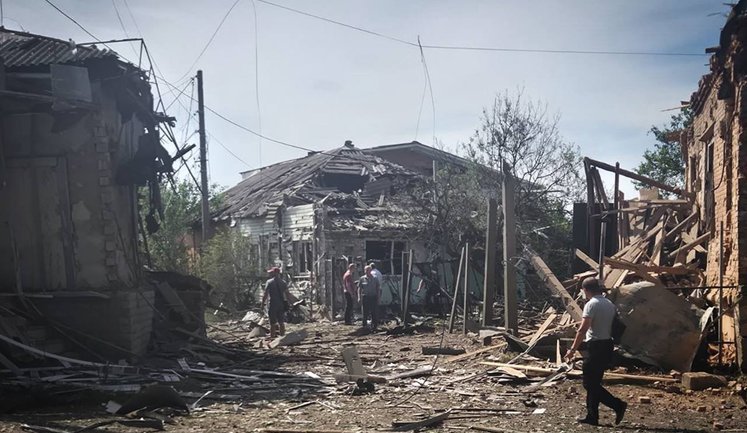
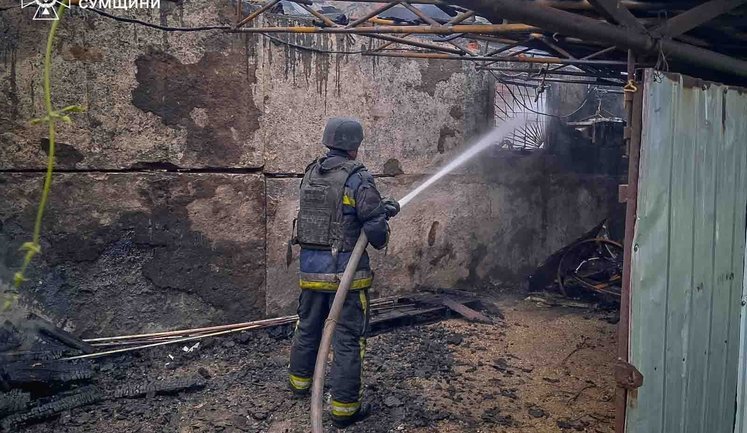
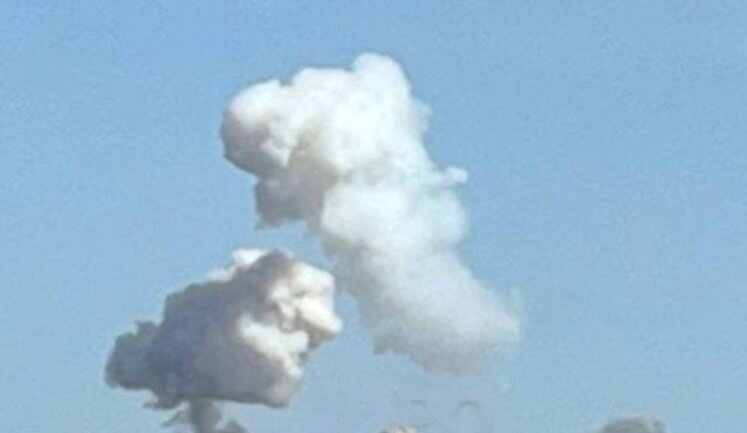
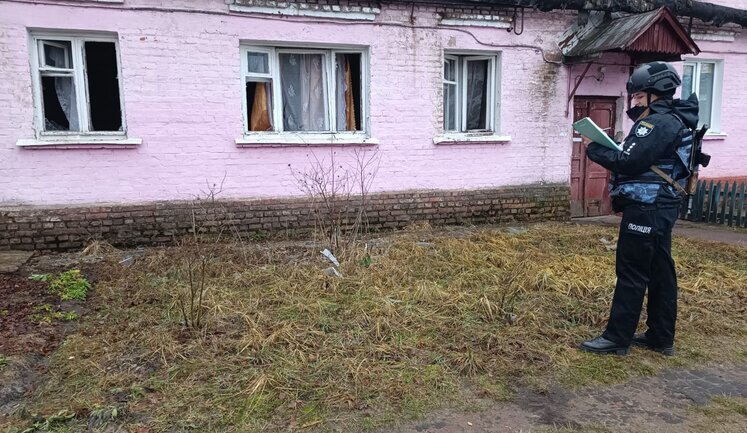
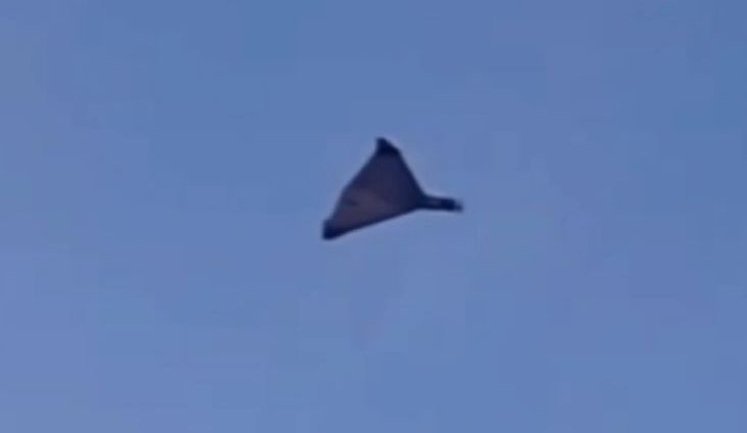
Shostkynskyy district in Sumy region, Ukraine, has been subjected to relentless Russian military attacks causing extensive suffering and damage. Recent shellings in the region have resulted in numerous casualties, including fatalities and injuries among civilians. Critical infrastructure, residential buildings, and transportation networks have been severely damaged. Survivors face harsh living conditions with disrupted utilities, such as gas and electricity outages. Clean-up and rebuilding efforts are ongoing amid repeated drone and artillery onslaughts. The dire situation underscores the urgent humanitarian needs and challenging conditions for civilians enduring the conflict in Shostkynskyy district.
What is the current humanitarian situation in the Shostkynskyy district?
The humanitarian situation in the Shostkynskyy district is dire, with repeated Russian military attacks causing significant casualties, widespread destruction of infrastructure, and severe disruptions to daily life. Essential services like gas and electricity are compromised, leaving residents struggling to meet basic needs.
How have recent Russian attacks impacted infrastructure in the Sumy region?
Recent Russian attacks on the Sumy region have led to severe damage to infrastructure, including the destruction of transportation networks, residential buildings, and critical facilities. These attacks have impaired essential services, exacerbating the humanitarian crisis faced by the local population.
What are the primary targets of Russian military strikes in Shostkynskyy district?
Russian military strikes in the Shostkynskyy district primarily target civilian infrastructure, residential areas, and critical facilities such as railway stations and utilities. These attacks aim to destabilize the region and significantly impact the civilian population's safety and well-being.
What efforts are underway to address the aftermath of these attacks?
Efforts to address the aftermath of Russian attacks in the Shostkynskyy district include ongoing clean-up operations, restoration of essential services, and humanitarian aid distribution to assist affected civilians. Local and national authorities are working to rebuild infrastructure and provide necessary support to the community.
How has the international community responded to the situation in Shostka, Sumy region?
The international community has expressed concern over the situation in Shostka, Sumy region, condemning the Russian attacks and emphasizing the need for increased humanitarian aid and diplomatic efforts to end hostilities. High-profile figures have called for increased measures to hold Russia accountable.
What are the key challenges faced by civilians in Shostkynskyy district due to these attacks?
Civilians in Shostkynskyy district face several challenges due to ongoing attacks, including safety threats from continued shelling, lack of basic services like power and gas, displacement, and limited access to healthcare and essential supplies. These challenges exacerbate the humanitarian crisis in the region.
What types of weaponry are being used in the attacks on the Sumy region?
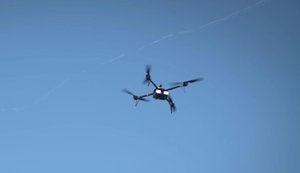
The Russian military has deployed various types of weaponry against the Sumy region, including guided aerial bombs, drones, artillery, and UAVs. These attacks deliberately target civilian and strategic infrastructure, resulting in significant casualties and destruction.
Are there any ongoing efforts to evacuate civilians from affected areas?
Ongoing evacuation efforts are being coordinated for civilians in heavily affected areas of the Sumy region, including Shostkynskyy district. Local authorities are working to ensure safe passage and provide temporary shelter for those displaced by the escalating violence.
How has the local population adapted to living under constant threat?
The local population has demonstrated resilience, adapting to living under constant threat by organizing community support networks, utilizing outdoor cooking methods, and maximizing limited resources. However, the psychological and physical toll remains significant as they await a resolution to the conflict.