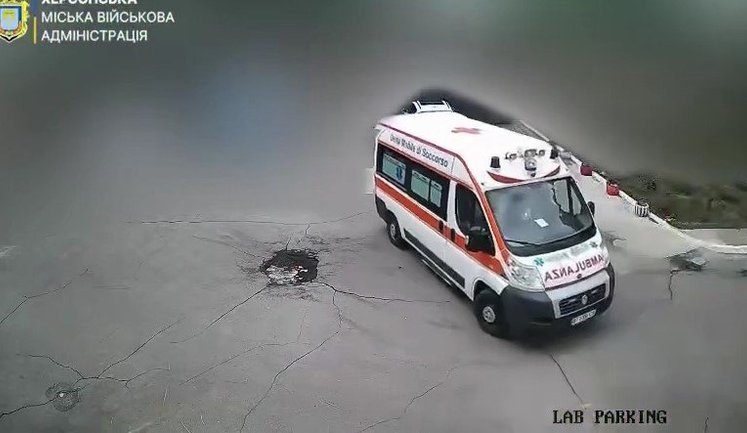
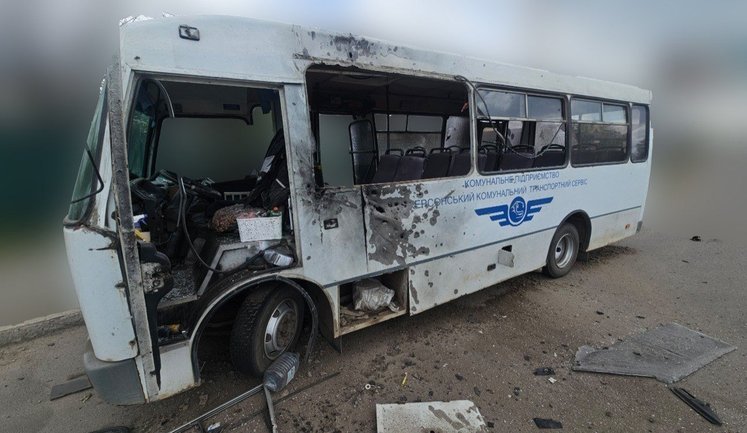
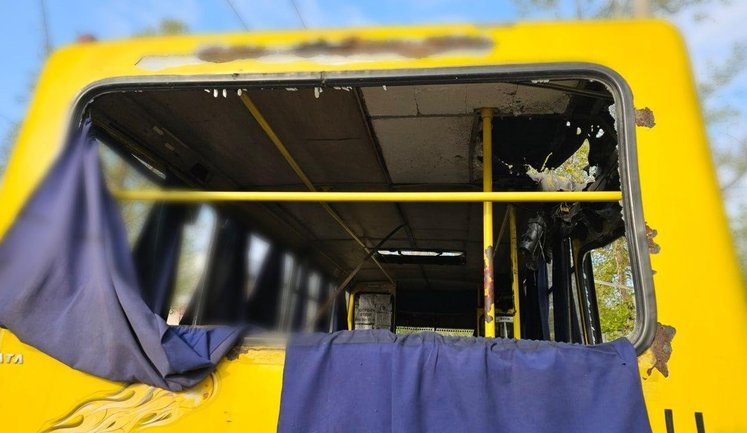
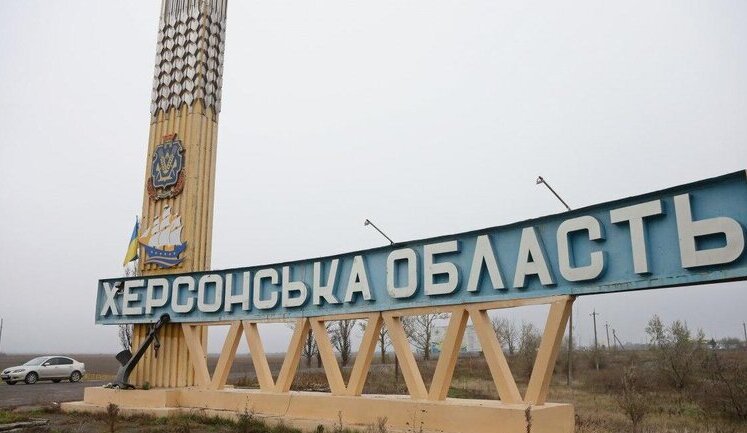
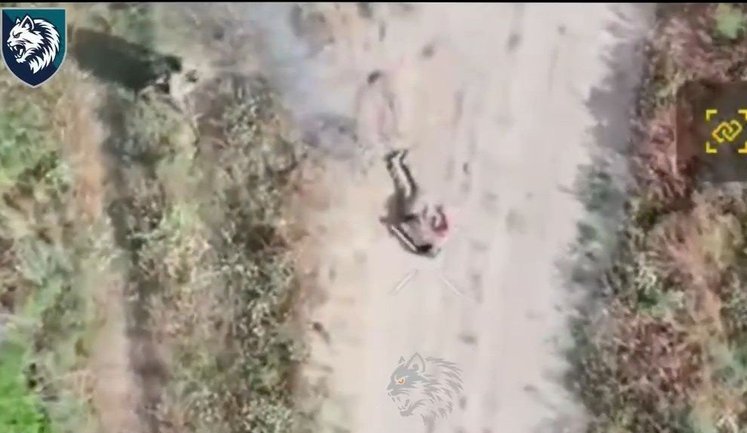
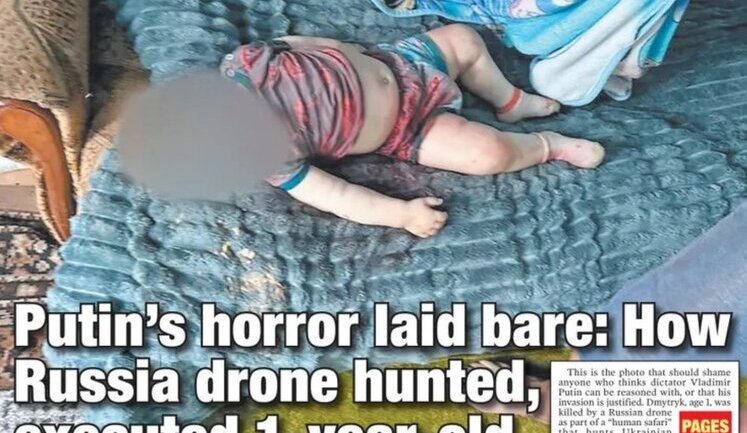
The Kherson district in Ukraine has seen an escalation in conflict, with multiple Russian drone and artillery attacks targeting both civilian and military areas. Recent reports detail strikes on a high-rise building, an ambulance, and a bus stop, resulting in casualties, including medics and police officers. The urgency for medical teams and rescue operations is notable as fires break out in affected areas. Russian forces continue to pose a significant threat, deliberately targeting civilians and infrastructure using drones and mortars. Meanwhile, the Ukrainian Armed Forces have been actively responding to these aggressions, highlighting the region’s strategic importance in the ongoing conflict.
What recent drone attacks have occurred in Kherson region?
The Kherson region has faced several drone attacks, including strikes on medical teams, residential buildings, and public transportation. These attacks have caused injuries and fatalities among civilians and responders, escalating the conflict in this strategically significant area.
How is the Ukrainian army responding to the conflict in Kherson?
The Ukrainian Armed Forces have conducted special operations, including the destruction of key infrastructures like bridges, to counteract Russian forces. Their strategic responses aim to hinder the enemy's movements and reduce civilian casualties in the region.
What are the civilian impacts of the ongoing conflict in Kherson district?
Civilian impacts include casualties, injuries, and significant property damage. Many residents have had to deal with loss of life, destruction of homes, and disruption of essential services due to continued artillery and drone attacks by Russian forces.
How have drone strikes affected infrastructure in Kherson region?
Drone strikes have led to the destruction of critical infrastructure, such as bridges and residential buildings, disrupting daily life and evacuations. These attacks emphasize the tactical use of drones in modern warfare affecting civilian safety and regional stability.
What legal actions have been taken against Russian actions in Kherson?
In response to Russian military actions, legal proceedings have been initiated, including the sentencing of a Rosgvardiya serviceman involved in crimes against civilians. These measures aim to address war crimes and hold offenders accountable for their actions against humanity.
What types of weapons are being used in the Kherson region conflict?
The conflict in the Kherson region involves a variety of weapons, including drones, artillery shells, and mortars. Russian forces have been reported using these to target both military and civilian structures, intensifying the regional security threat.
What is the humanitarian response to recent attacks in Kherson?
Humanitarian efforts focus on providing medical aid, shelter, and food to affected populations. Emergency responders work tirelessly to cope with the influx of injuries and fatalities, highlighting the urgent need for international assistance and support in the region.
What safety measures are advised for residents in Kherson?
Residents are advised to seek shelter during attacks, stay informed through official channels, and follow evacuation orders promptly. It's crucial to have emergency supplies ready and remain vigilant, given the volatile nature of the ongoing conflict.
How has the conflict impacted educational institutions in Kherson?
Educational institutions in the Kherson region have faced disruptions due to ongoing strikes. Recent attacks on schools underline the broader impact on education, requiring adaptive measures to ensure continuity in learning under these challenging conditions.
What are the long-term prospects for peace in Kherson region?
The long-term prospects for peace in Kherson depend on diplomatic efforts and effective conflict resolution strategies. Continuous military engagements and targeted infrastructure attacks pose significant challenges to achieving a stable and lasting peace agreement in the region.