The G-7 countries remain pivotal in the global political landscape, consistently working towards stabilizing Ukraine and checking Russian aggression. Recent meetings covered crucial topics such as sanctions against Russia, economic implications due to rising oil prices, and support for Ukraine's defense. The plan to meet Donald Trump in Davos aims to enhance Ukraine's security. Moreover, potential collaborations involving China and Russia as alternative partners are also under discussion, though current G-7 strategies emphasize maintaining pressure against these nations concerning the Ukraine conflict. Additionally, allegations of energy-sector corruption and the possible freeze of Russian assets as reparations for Ukraine further complicate these international efforts. These dynamics underscore the G-7's role in global stability and peace.
How does the G7 plan to support Ukraine during the ongoing conflict?
The G7 has vowed to reinforce its commitment to Ukraine through a combination of strategic sanctions on Russia and financial packages aimed at bolstering Ukrainian defense initiatives. This involves freezing Russian assets and potentially lowering oil price caps to restrict revenue streams funding Russia's military operations. G7's concerted efforts strive to curtail the ongoing aggression and foster conditions conducive to peace.
What measures are the G7 taking against Russian economic activities?
The G7 continues to implement stringent economic sanctions against Russia, particularly targeting its oil exports. By coordinating with partners like Saudi Arabia and the UAE, the G7 aims to increase oil production, offsetting reliance on Russian oil. Simultaneously, they are working to cap prices and deter countries like India and Turkey from purchasing Russian oil, thereby diminishing Russia's economic leverage in the conflict and promoting global stability.
What role does China play amid G7 discussions about Ukraine?
China's role remains complex, as it is perceived both as a potential ally in curbing Russian advances and a challenge due to its own international aspirations. The G7 has addressed concerns about China's possible alliances with Russia. China, however, refutes allegations of supplying lethal weapons to Ukraine or Russia, emphasizing its stance of non-involvement and advocacy for peaceful resolution. The G7 remains vigilant, emphasizing diplomatic avenues to influence China's international behavior.
How is corruption in Ukraine's energy sector affecting G7 strategies?
Corruption in Ukraine's energy sector has surfaced as a significant concern for the G7, potentially undermining international support and financial aid effectiveness. Ukrainian officials, backed by G7 resolve, have committed to stringent anti-corruption measures to restore trust and ensure that international aid is used effectively. These measures aim to strengthen governance, thereby amplifying the impact of G7's strategic aid against Russian aggression.
Why is the G7 considering a meeting with Donald Trump in consideration of global security?
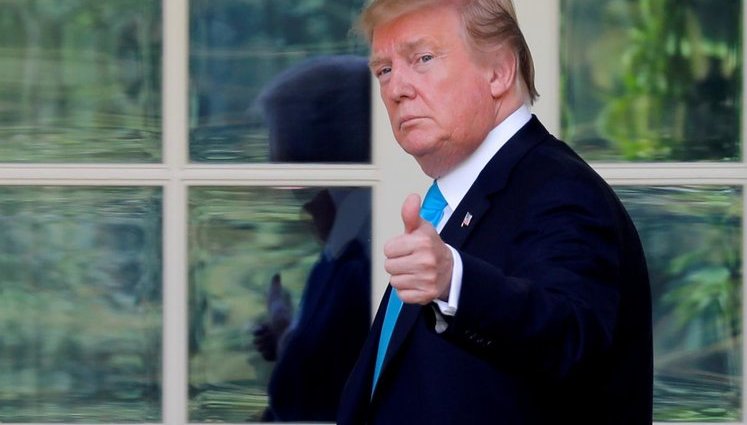
The proposed G7 meeting with Donald Trump in Davos exemplifies an effort to align US policies with G7 objectives regarding Ukraine and broader global security challenges. Trump's historical disinterest in multilateral sanctions sparked dialogues aimed at reinforcing the US's commitment to an international consensus. The meeting seeks to negotiate new strategies for security guarantees, underscoring the importance of cohesive international policy against threats to global peace.