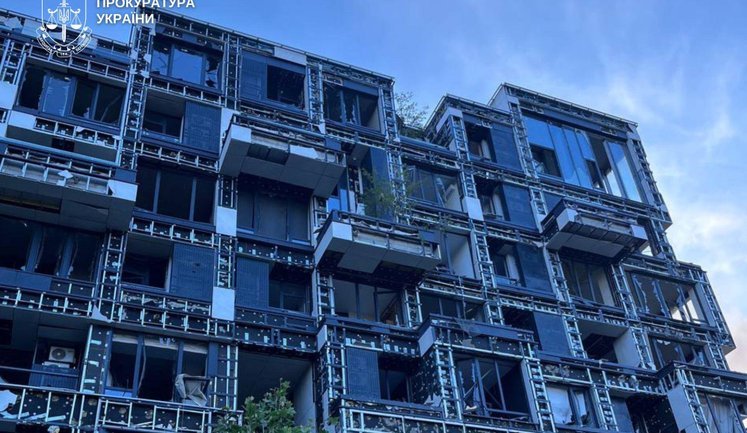
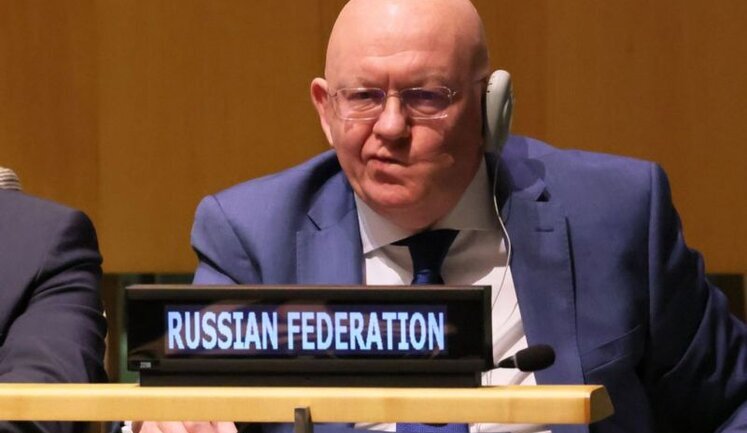
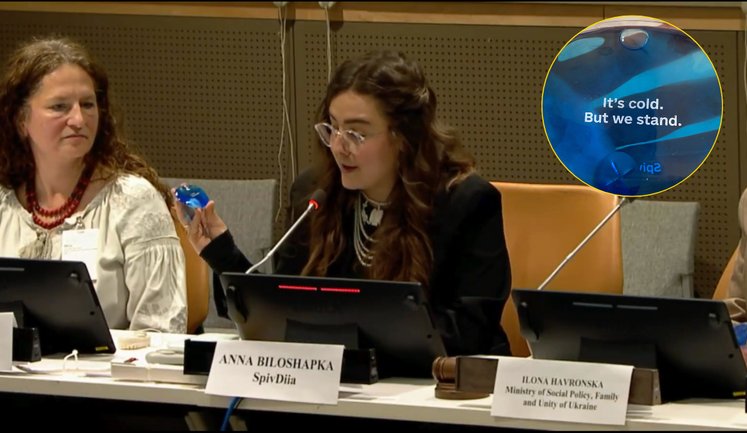
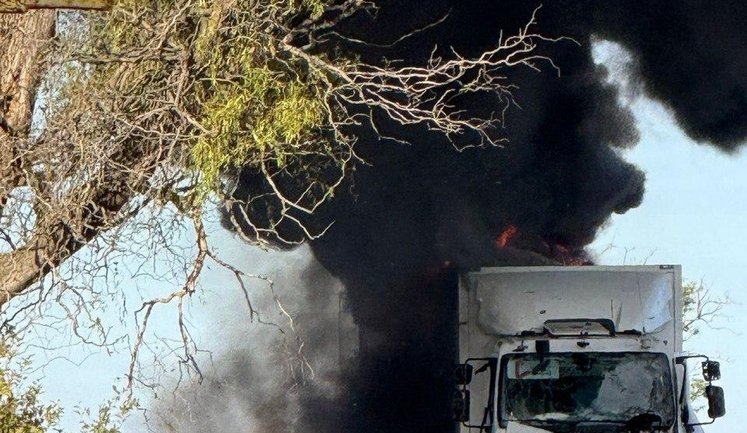
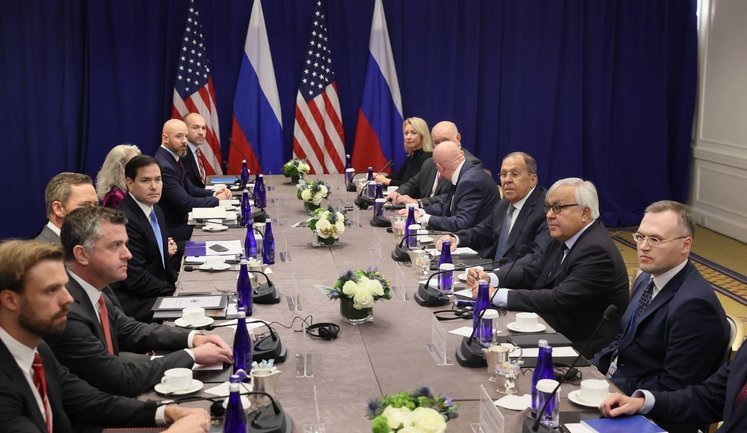
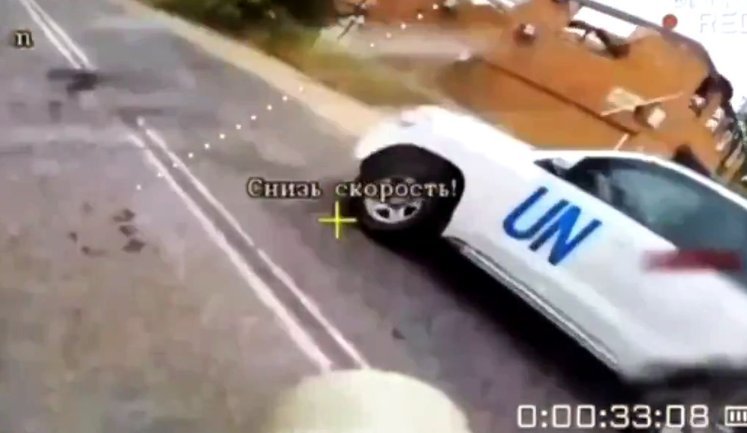
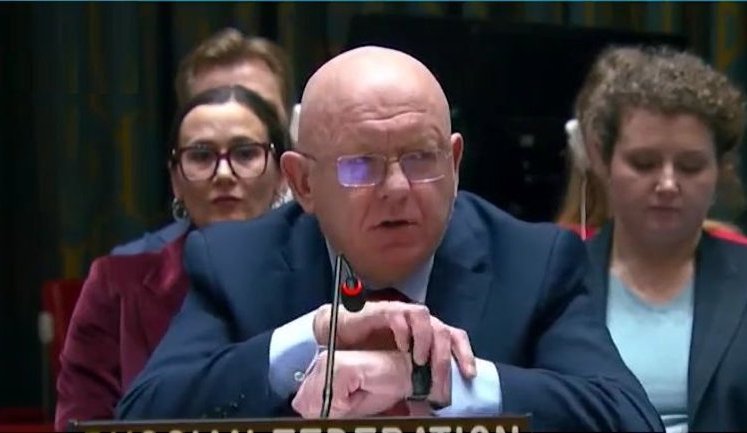
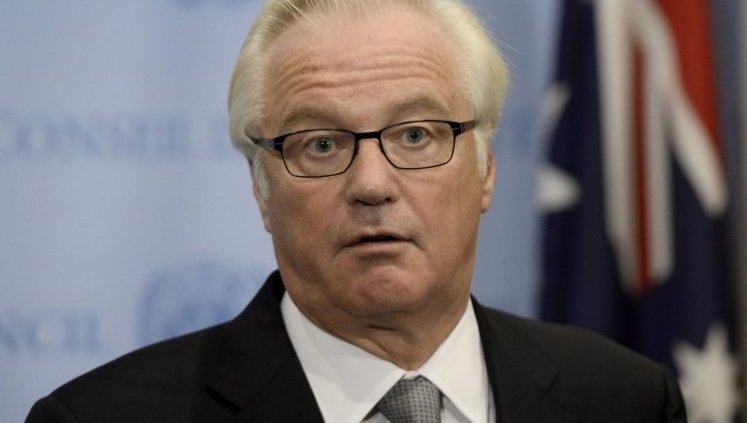
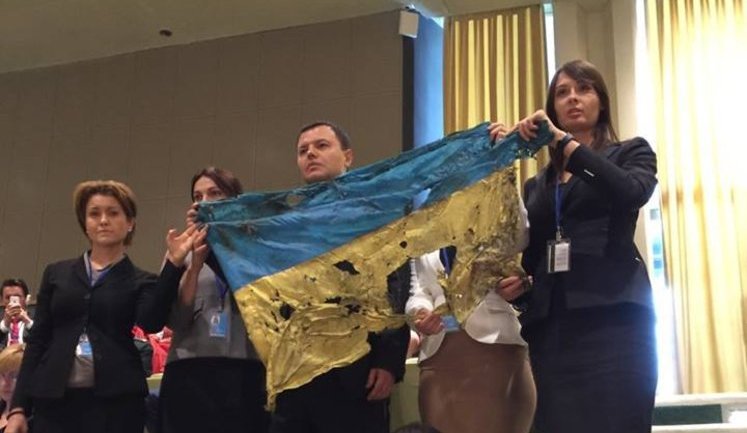
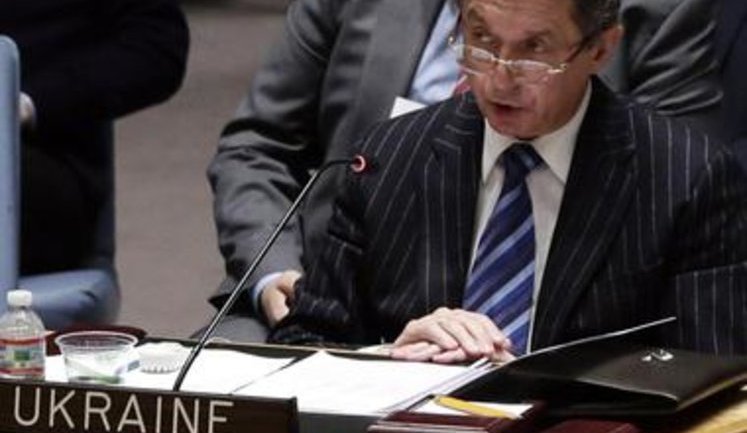
Amid escalating conflicts in Ukraine, the UN reports a significant surge in civilian casualties, primarily due to a recent wave of missile and drone strikes. As the humanitarian situation worsens, Ukraine urges new sanctions on Russia, especially focusing on the energy sector, and advocates for an immediate ceasefire. The UN's role remains crucial in negotiating peace and amplifying calls for international support to respect Ukraine's sovereignty and protect civilians. Furthermore, the organization's findings highlight ongoing war crimes and humanitarian crises needing urgent international action.
What recent actions has the UN taken regarding the Ukraine conflict?
The UN has reported an alarming increase in civilian casualties and continues to call for sanctions against Russia. It also urges a ceasefire to mitigate further harm.
How has the UN responded to the missile strikes in Ukraine?
The UN condemned the strikes and noted a significant rise in civilian casualties, emphasizing the need for immediate international intervention and sanctions against Russia.
What is the current humanitarian situation in Ukraine according to the UN?
The humanitarian situation in Ukraine is dire, with a sharp rise in civilian casualties and shortages in essential resources, necessitating international assistance and sanctions.
What recommendations has the UN made regarding Russia's involvement in Ukraine?
The UN recommends the imposition of stricter economic sanctions, particularly in the energy sector, and calls for an immediate and unconditional ceasefire to alleviate the humanitarian crisis.
What role does the UN play in the peace talks between Ukraine and Russia?
The UN plays a mediating role in facilitating peace talks and emphasizes the importance of international cooperation to ensure Ukraine's sovereignty and security against foreign aggression.
How has the civilian casualty rate in Ukraine changed recently?
According to the UN, the civilian casualty rate has surged significantly, with recent months witnessing an alarming increase due to intensified military actions involving missile and drone strikes.
What is the stance of the UN on Ukraine's sovereignty and territorial disputes?
The UN consistently supports Ukraine's territorial integrity, condemning any violations, and stresses the need for respecting international laws regarding sovereignty and territorial boundaries.
How are international sanctions expected to impact Russia?
Sanctions are aimed at economically pressuring Russia to cease hostilities and comply with international demands for peace, potentially limiting its capacity to fund military operations.
What humanitarian assistance does the UN provide to Ukrainians affected by the conflict?
The UN provides essential resources, support for displaced persons, and coordinates with international partners to deliver aid to those severely impacted by the ongoing conflict in Ukraine.
What measures can the international community take in response to the UN's findings?
The international community can enhance sanctions against Russia, bolster humanitarian aid, and support diplomatic efforts to achieve a lasting ceasefire as highlighted by the UN.