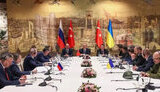
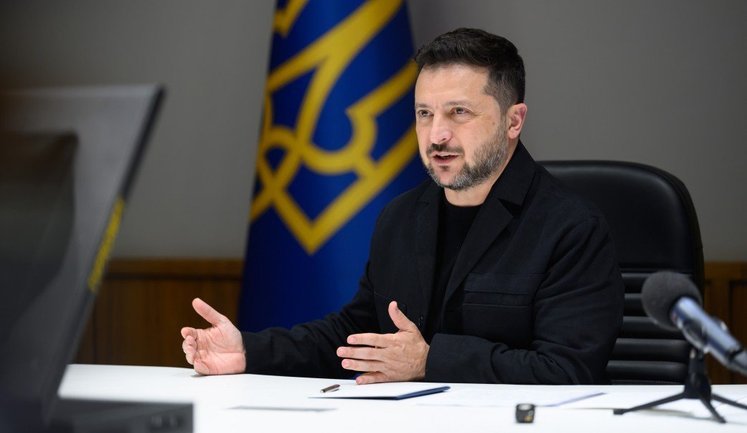
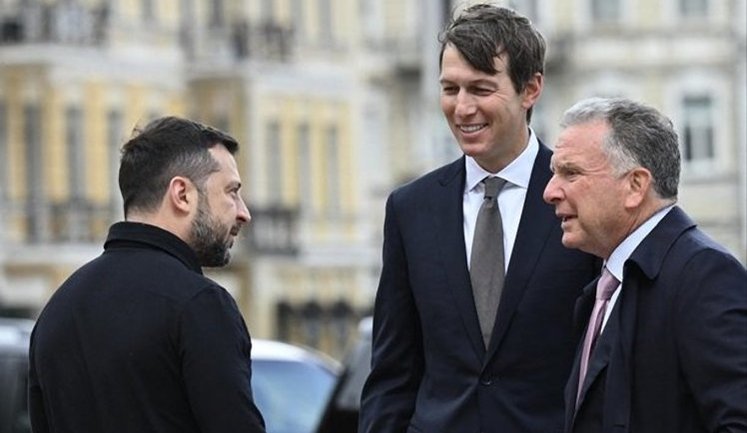
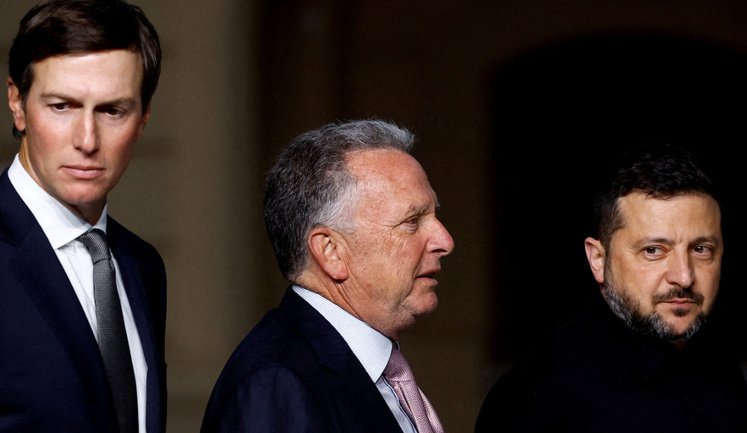
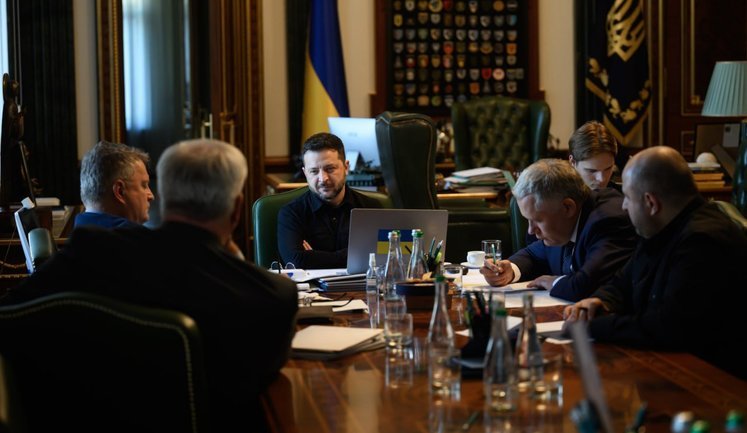
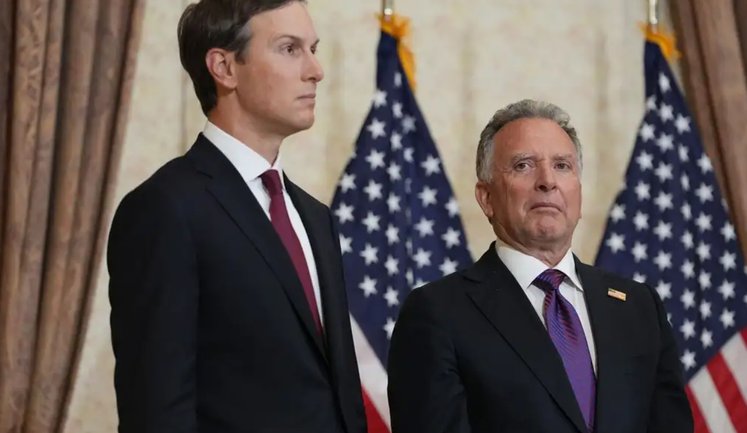
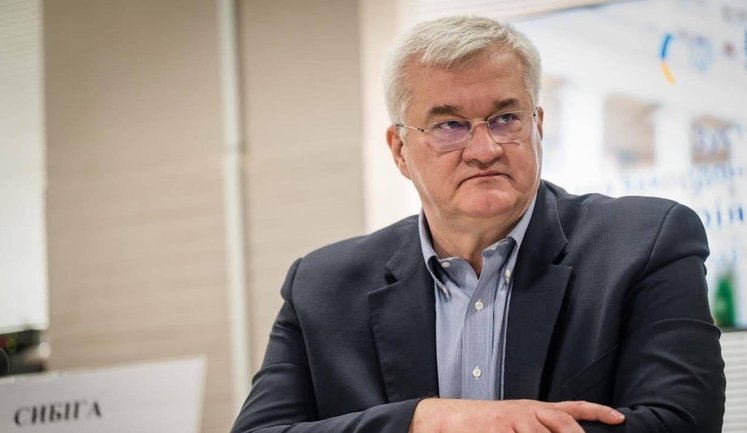
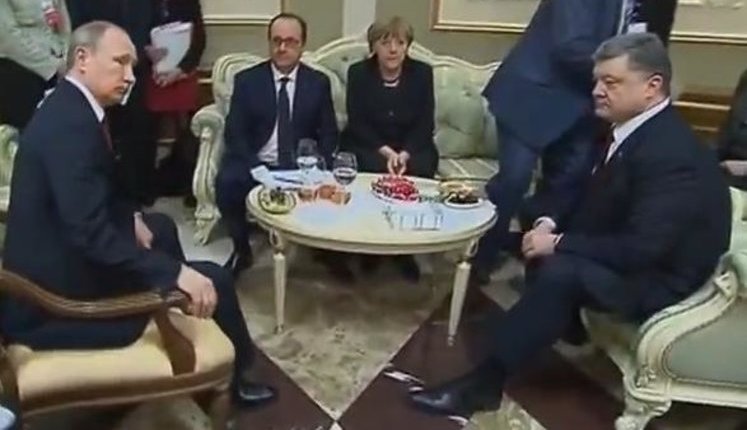
As the conflict in Ukraine continues, significant diplomatic efforts are underway to reach a peaceful resolution. CIA Director John Ratcliffe has proposed a meeting between leaders Donald Trump, Volodymyr Zelenskyy, and Vladimir Putin. Despite ongoing attempts, including Ukraine's readiness for various negotiation formats, and quiet diplomatic missions by figures like Rodney Cook Jr., peace talks remain challenging. Russia's readiness hinges on conditions reflecting current realities. Time-sensitive opportunities, such as the potential window from the G20 summit until 2027, are being considered. The international community, including the EU, USA, and key states, remains engaged in fostering dialogue to end the war.
What are the main obstacles to Ukraine-Russia negotiations?
Negotiations between Ukraine and Russia face several barriers, including differing demands on territorial integrity and political sovereignty. Russia insists on terms based on realities on the ground, which Ukraine finds unacceptable. Additionally, geopolitical dynamics and internal political pressures in both nations complicate consensus-building.
How has the international community contributed to peace efforts?
Global actors, including the United States and European Union, have played crucial roles in mediation. High-level diplomatic missions and proposals for peace deals underscore their commitment to resolving the conflict. Countries such as Hungary have offered to host negotiations, showing international support for facilitating dialogue.
Why is the period until 2027 crucial for ending the war?
The time until summer 2027 is seen as a critical window due to the alignment with significant geopolitical events such as the G20 summit and the US presidential elections. These events may influence global diplomatic stances and offer a unique opportunity to drive peace initiatives forward.
What role does CIA Director John Ratcliffe play in the negotiations?
CIA Director John Ratcliffe has suggested a significant summit involving key leaders, showing an active role in facilitating dialogue. His involvement highlights the participation of intelligence and diplomatic channels in broaching potential solutions to the conflict through high-level meetings.
Is Ukraine open to different negotiation formats?
Yes, Ukraine has expressed readiness to engage in various formats of negotiations to end the war. President Zelenskyy has reiterated the country's willingness to enter talks under multiple frameworks, emphasizing flexibility in their diplomatic approach to achieve peace.
How does Russia's military position affect peace talks?
Russia's military pressures, particularly missile strikes, and demands on territorial claims, significantly impact negotiations. These aggressive postures create a difficult bargaining atmosphere but also highlight Moscow's need to find diplomatic resolutions amid escalating costs of continued conflict.
What has been Donald Trump's involvement in the negotiations?
As President, Donald Trump has shown support for reaching a peace agreement between Russia and Ukraine. His administration has engaged in quiet diplomatic missions, indicating a strategic interest in facilitating dialogue despite harsh criticisms of the status quo.
Are there any signs of breakthrough in the peace negotiations?
While there are sporadic proposals and quiet diplomatic efforts that suggest progress, achieving a comprehensive peace agreement remains elusive. Key deterrents include entrenched positions on territorial and political issues, demonstrating the complexities involved in reaching a sustainable resolution.