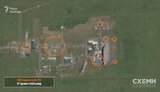
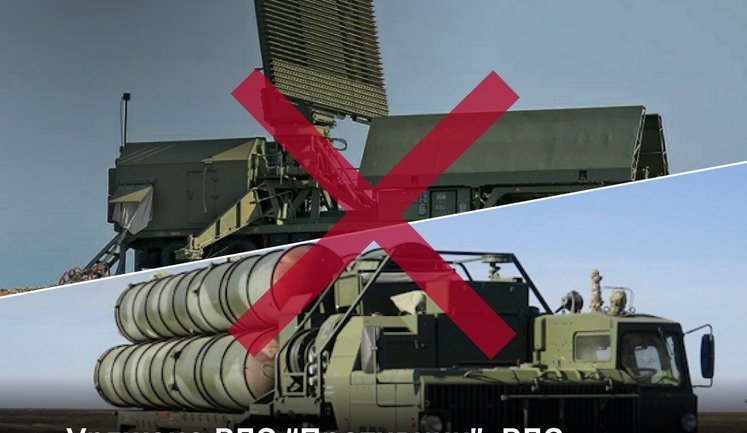
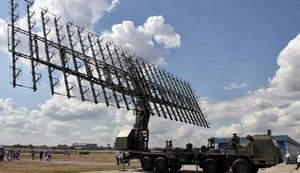
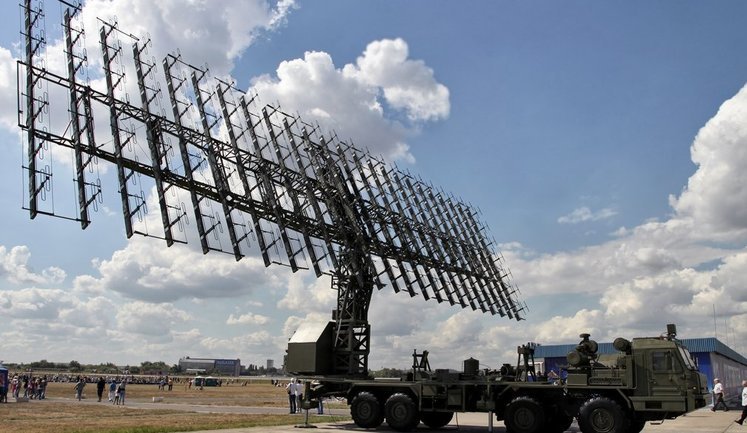
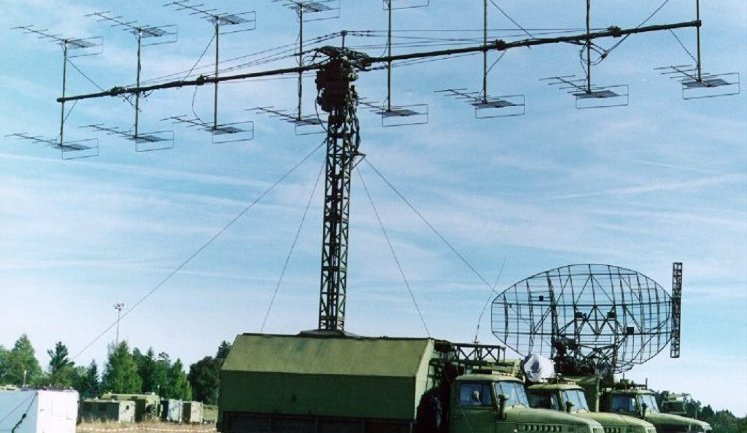
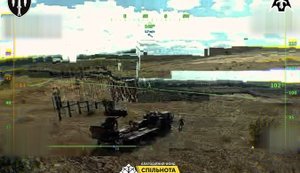
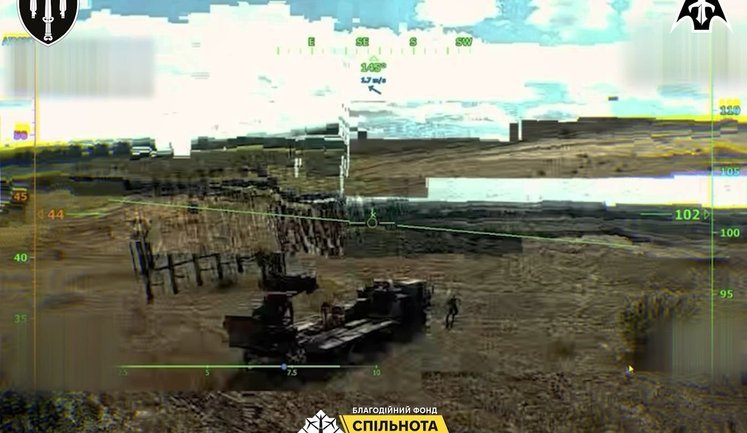
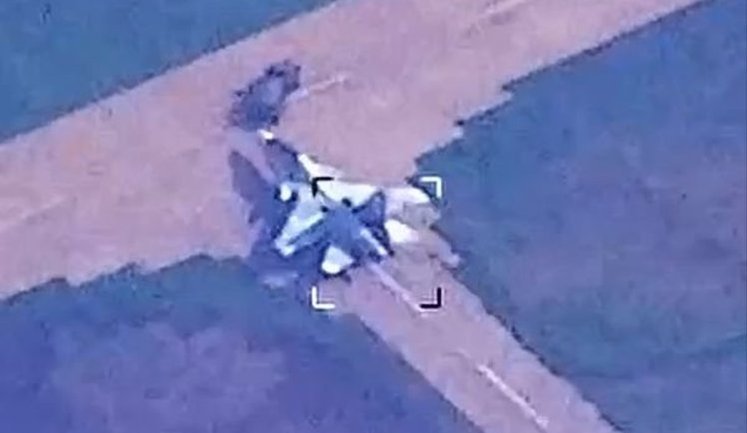
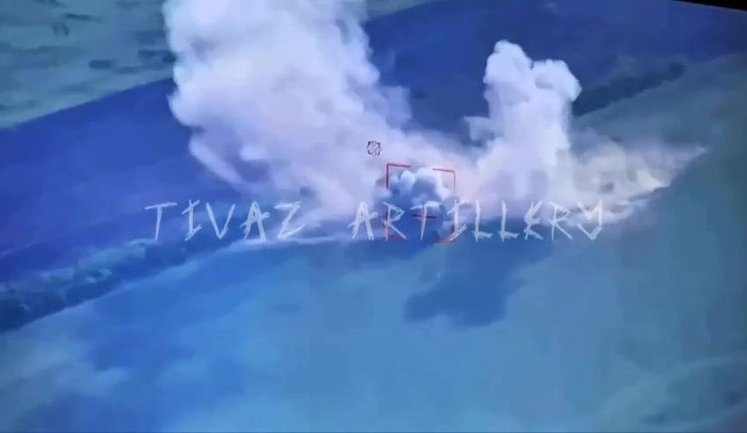
Ukrainian Defense Forces have launched precision strikes on various radar locator systems in conflict zones. Key targets include the "Kasta-2E2" radar in Zaporizhzhia and the "Nebo-U" system in Crimea. The destruction of these radar stations hampers enemy air defenses and significantly impacts their reconnaissance capabilities. The Ukrainian Unmanned Systems Forces and the Defense Intelligence of Ukraine (DIU) have been pivotal in these operations, successfully striking numerous radar locations and other military infrastructure. Such operations underscore the strategic importance of disrupting communication and surveillance systems to weaken opposition forces and fortify Ukrainian defense strategies.
What is the significance of targeting radar locator systems?
The destruction of radar locator systems is crucial as it significantly impairs the enemy's ability to detect and track incoming threats, weakening their air defense capabilities and providing strategic advantage to the attacking forces.
How many radar locator systems have been targeted recently?
Numerous radar locator systems have been targeted, including the "Kasta-2E2," "Nebo-SV," "P-18," and "Nebo-U" radar stations, among others. These strikes are part of a larger strategy to disrupt enemy surveillance and air defense systems.
What technologies are used to strike radar locator systems?
Ukrainian forces employ a combination of unmanned aerial systems, precision-guided munitions, and loitering drones to effectively target and destroy radar locator systems deep within enemy territories.
How do these operations impact the overall military strategy?
By disabling critical radar locator systems, Ukrainian forces can conduct operations with greater stealth and efficacy, reducing the risk from enemy air defenses and enabling more successful ground and aerial attacks against strategic targets.
Why are radar locator systems a priority target for the Ukrainian Defense Forces?
Radar locator systems are prioritized due to their role in detecting and coordinating responses against Ukrainian military actions. Neutralizing them allows for more effective and covert military operations, increasing the chances of successful engagements and overall strategic advantage.