ENG




10948 visitors online
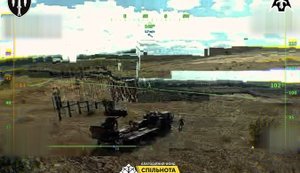
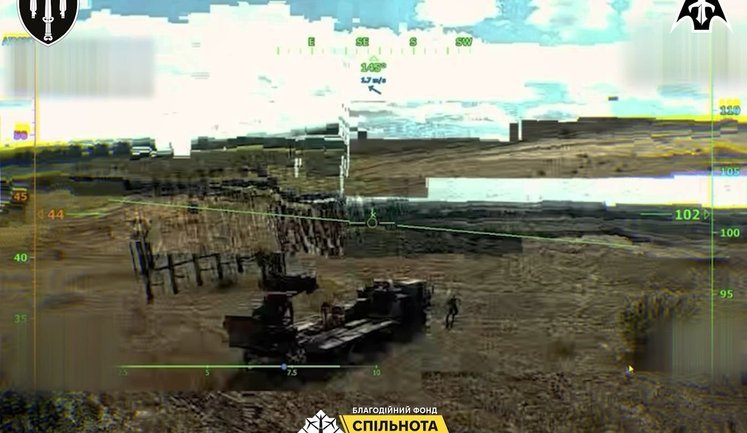
Ukrainian Defense Forces have launched precision strikes on various radar locator systems in conflict zones. Key targets include the "Kasta-2E2" radar in Zaporizhzhia and the "Nebo-U" system in Crimea. The destruction of these radar stations hampers enemy air defenses and significantly impacts their reconnaissance capabilities. The Ukrainian Unmanned Systems Forces and the Defense Intelligence of Ukraine (DIU) have been pivotal in these operations, successfully striking numerous radar locations and other military infrastructure. Such operations underscore the strategic importance of disrupting communication and surveillance systems to weaken opposition forces and fortify Ukrainian defense strategies.
What is the significance of targeting radar locator systems?
The destruction of radar locator systems is crucial as it significantly impairs the enemy's ability to detect and track incoming threats, weakening their air defense capabilities and providing strategic advantage to the attacking forces.
How many radar locator systems have been targeted recently?
Numerous radar locator systems have been targeted, including the "Kasta-2E2," "Nebo-SV," "P-18," and "Nebo-U" radar stations, among others. These strikes are part of a larger strategy to disrupt enemy surveillance and air defense systems.
What technologies are used to strike radar locator systems?
Ukrainian forces employ a combination of unmanned aerial systems, precision-guided munitions, and loitering drones to effectively target and destroy radar locator systems deep within enemy territories.
How do these operations impact the overall military strategy?
By disabling critical radar locator systems, Ukrainian forces can conduct operations with greater stealth and efficacy, reducing the risk from enemy air defenses and enabling more successful ground and aerial attacks against strategic targets.
Why are radar locator systems a priority target for the Ukrainian Defense Forces?
Radar locator systems are prioritized due to their role in detecting and coordinating responses against Ukrainian military actions. Neutralizing them allows for more effective and covert military operations, increasing the chances of successful engagements and overall strategic advantage.
News radar locator
 Two enemy radar stations, an electronic warfare station and telecommunications towers hit – General Staff Ukraine's Defence Forces struck military facilities of the Russian occupiers in Russia's Bryansk region and temporarily occupied Crimea on October 15 and overnight on October 16. 479 2 Previously in trend: Destruction of Russian equipment Striking Russia
 "Nebo-U" radar station hit in Russia’s Krasnodar Krai – General Staff On the night of October 16, the Ukrainian Defense Forces attacked a radar station on Russian territory. 1 109 2 Previously in trend: Striking Russia
 Russian ammunition depot and "Terek" radar station in occupied territories have been hit, - General Staff On September 25 and during the night of September 26, 2026, units of the Ukrainian Defense Forces struck key military targets of the Russian army. 1 317 1
 Defence forces struck ’Kasta’ and P-18 radar stations and Russian UAV launch site, - General Staff On 23 September and during the night of 24 September 2026, units of the Ukrainian Defence Forces struck a number of key military targets belonging to the Russian Armed Forces. 1 432 3 Previously in trend: Destruction of Russian equipment Elimination of Russian occupying forces
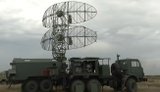 Ukrainian Armed Forces have struck Russian "Kasta" radar system worth at least $60 million, - General Staff The Ukrainian Defence Forces have struck a number of military targets belonging to the Russian occupiers, including radar stations. 1 588 5 Previously in trend: Destruction of Russian equipment
 SIGNUM pilots flew 120 km behind enemy lines and struck Russian "Nebo-M" radar system worth $100 million. VIDEO Operators from the SIGNUM unit of the 59th Brigade, in conjunction with the First Separate Air Defence Centre, struck a Russian ‘Nebo-M’ radar station with an estimated value of around $100 million. 4 651 5 Previously in trend: Destruction of Russian equipment
 Pilots of 429th "ACHILLES" Brigade strike Nebo-M radar near Millerovo: drone covers 175 km. VIDEO Ukraine’s Defense Forces struck a Russian Nebo-M radar station near the Millerovo military airfield in Russia’s Rostov region. 2 063 0 Previously in trend: Destruction of Russian equipment Drone attack on Russia
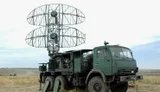 "Kasta-2E2" radar was destroyed by Defense Forces in TOT of Zaporizhzhia, - General Staff On September 1, 2026, the Defense Forces struck the radar antenna and the radar station of the "Kasta" radar system in the Vyshneve area of Zaporizhzhia Oblast. 910 3 Previously in trend: Destruction of Russian equipment
 Defense Forces struck "Nebo-SV" and "P-18" radar stations and Russian UAV command posts, - General Staff On August 27 and during the night of August 28, 2026, units of the Ukrainian Defense Forces struck a number of enemy military targets, including the "Nebo-SV" and "P-18" radar stations, UAV command posts, and an enemy training center in occupied Crimea. 748 2 Previously in trend: Destruction of Russian equipment
 $100 million ’Nebo-U’ radar system struck: ’Achilles’ fighters launched attack on ’Millerovo’ airfield in Russia. VIDEO The Ukrainian Defence Forces have launched another strike against military infrastructure on Russian territory. 7 847 6
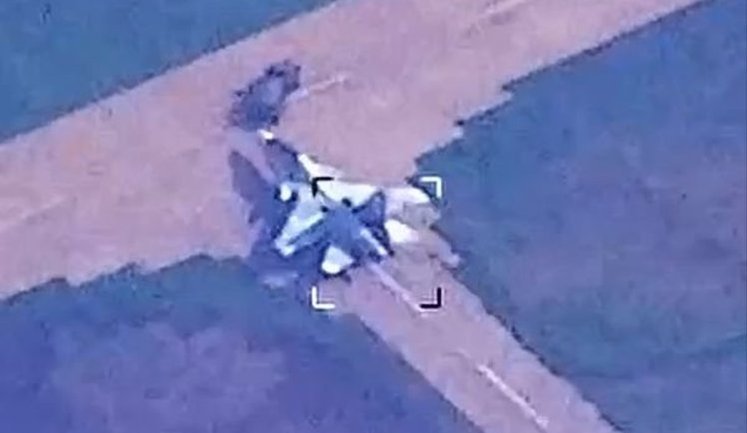
 Unmanned Systems Forces strike rocket fuel plant, MiG-29 and Arkhangel military UAV school. VIDEO The Unmanned Systems Forces of the Armed Forces of Ukraine struck a number of enemy military facilities at operational and strategic depth. 3 880 40 Previously in trend: Destruction of Russian equipment Results of Unmanned Systems Forces units’ operations
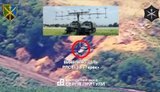 Ukrainian RAM-2X drones struck enemy P-18 "Terek" radar station whilst it was being used to provide cover for military equipment. VIDEO A Russian P-18 ‘Terek’ radar station was targeted by Ukrainian RAM-2X loitering munitions whilst a shelter was being constructed for it. 2 759 0 Previously in trend: Destruction of Russian equipment
 Magura maritime drones equipped with FPV struck two Russian radar installations in Crimea, – DIU. VIDEO Group 13, a special unit of the Main Intelligence Directorate of the Ukrainian Ministry of Defence, carried out an operation in the temporarily occupied Crimea at the end of July. 2 732 3 Previously in trend: Marine drones of Ukraine
 Fighters from "Black Forest" Brigade destroyed Russian P-18 "Terek" radar station. VIDEO Ukrainian defenders continue to ‘blind’ Russian air defences and reconnaissance. 1 858 2 Previously in trend: Destruction of Russian equipment
 DIU drone operators destroyed launcher and radar station belonging to Russian S-400 "Triumph" air defence system in occupied Crimea. VIDEO Ukrainian intelligence operatives have dealt a devastating blow to the Russian occupiers’ high-value air defence system in the temporarily occupied Crimea. 3 629 2 Previously in trend: Destruction of Russian equipment
 Oil refineries, oil pumping stations, and radar stations: SSU launched new series of long-range strikes against Russian targets On the night of July 24, the SSU carried out new successful strikes against oil refineries, oil pumping stations, and radar stations on the territory of the Russian Federation and in the temporarily occupied Crimea. 1 991 4 Previously in trend: Attacks on Crimea Striking Russia
 SSU Alpha Center special forces hit rare Russian P-14 radar dating from 1959. VIDEO Special forces operators from the Security Service of Ukraine’s Alpha Special Operations Center released footage of a strike on a Russian P-14 radar station. 5 103 12 Previously in trend: Destruction of Russian equipment
 Poltavska oil depot in Krasnodar Krai of Russian Federation and Skala-M radar complex in occupied Kerch were hit, - General Staff On the night of June 25, the Defense Forces struck an oil depot in the Krasnodar Krai of the Russian Federation and the "Skala-M" radar complex in occupied Kerch. 3 270 7 Previously in trend: Attacks on Crimea Striking Russia
 Operators from 1st USF Centre carried out series of strikes in Crimea: S-300, ’Pantsir’, ’Orion’ UAV and fuel infrastructure were hit. VIDEO For several days running, operators at the 1st Separate Unmanned Systems Centre have been carrying out precision strikes on military targets belonging to the Russian occupiers in the temporarily occupied Crimea. 2 146 3 Previously in trend: Destruction of Russian equipment Attacks on Crimea
 USF struck "Osa" air defence system, five coastal radar stations in Crimea, UAV depot and occupiers’ bases. VIDEO On the night of 15–16 June, operators of the Unmanned Systems Forces carried out strikes against a number of enemy military targets deep within the temporarily occupied territories. 2 499 5 Previously in trend: Destruction of Russian equipment Destruction of the occupiers’ firing positions Results of Unmanned Systems Forces units’ operations
 Radar in Crimea and Russian warehouses in Donetsk region hit, - General Staff On the night of May 28, 2026, units of the Ukrainian Defense Forces struck a number of key targets belonging to the Russian occupiers in Crimea, as well as UAV command posts and ammunition and military equipment depots in the occupied territories. 1 467 2 Previously in trend: Destruction of Russian equipment
 Kamikaze drone attacks and hits Russian 5N63S radar worth about $50 million. VIDEO Ukrainian defenders struck an air defense system of the Russian occupation forces, destroying a critically important and high-value element of an enemy surface-to-air missile system. Censor.NET reports that fighters of the Chornyi Lis unit successfully hunted down the high-value target. 5 825 6 Previously in trend: Destruction of Russian equipment
 "Yastreb" radar, "Tor" SAM system and other ruscists’ facilities hit by Defense Forces – General Staff On 13 May and overnight into 14 May, Ukraine’s Defense Forces hit a number of Russian occupiers’ facilities. 997 1 Previously in trend: Destruction of Russian equipment
 USF carried out strikes on enemy UAV training centres, depots and command posts. VIDEO Unmanned systems forces struck enemy troop concentrations and logistical support facilities. 2 134 2 Previously in trend: Destruction of Russian equipment Elimination of Russian occupying forces Situation in the Donetsk and Luhansk regions Results of Unmanned Systems Forces units’ operations
 Chechen soldiers from Russian Armed Forces have shown aftermath of strike on "Kasta" radar station by Ukrainian FP-2 drones. VIDEO Footage showing the aftermath of the strike on the "Kasta" radar station has been published online. 8 568 18 Previously in trend: Destruction of Russian equipment Drone industry
 Unmanned aerial systems struck air defence systems, radar stations and occupier deployment sites in several directions. VIDEO Unmanned aerial systems have launched fresh strikes against key Russian targets across several fronts. 1 781 1 Previously in trend: Destruction of Russian equipment Results of Unmanned Systems Forces units’ operations
 Minus 218 drones, electronic warfare equipment, radars and 50 occupiers: Kharkiv detachment’s combat operations in April. VIDEO In April,border guards from the Kharkiv detachment eliminated 50 invaders and shot down 218 enemy drones. 1 121 0 Previously in trend: Destruction of Russian equipment Elimination of Russian occupying forces
 Unmanned Systems Forces destroyed enemy air defence systems, radars, electronic warfare equipment and depots in rear. VIDEO Between 27 and 28 April, the Unmanned Systems Forces carried out a series of strikes against enemy air defence systems, radar stations, temporary deployment sites and ammunition depots. 2 081 2 Previously in trend: Destruction of Russian equipment Elimination of Russian occupying forces Fightings in the Zaporizhzhia direction
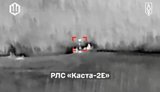 Achilles fighters strike Kasta-2E radar, key element of ruscist air defense in Belgorod region. VIDEO Crews of the 429th Achilles Brigade struck a Russian Kasta-2E radar station in the settlement of Volotovo, Belgorod region, about 80 km from Ukraine’s state border. 4 169 4 Previously in trend: Destruction of Russian equipment Drone attack on Russia
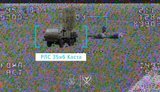 One less "Kasta" radar in Zaporizhzhia region: fighters from the 23rd "Khortytsia" Brigade destroyed $60 million worth of air defence systems behind enemy lines. VIDEO Soldiers from the 23rd "Khortytsia" Brigade of the Ukrainian National Guard have carried out strikes deep behind enemy lines in the Zaporizhzhia sector. 2 541 1 Previously in trend: Destruction of Russian equipment Fightings in the Zaporizhzhia direction Drone operators
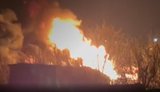 Two radar stations and depots belonging to Russian occupiers were hit by Defence Forces, - General Staff The Ukrainian Armed Forces have struck a Russian radar station belonging to the S-400 air defence system, as well as the invaders’ logistics facilities and troop concentrations. 834 1 Previously in trend: Destruction of Russian equipment
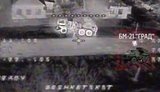 Drone operators of Phoenix unit destroy two MLRS and Zoopark radar of occupiers overnight in Huliaipole direction. VIDEO Pilots of the Phoenix border guard unit struck two enemy multiple launch rocket systems and a radar station in the Huliaipole direction. 2 502 2 Previously in trend: Destruction of Russian equipment Drone operators Fighting in Huliaipole direction
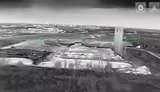 USF and DIU destroy 4 Orion UAVs, An-72P aircraft and Mech radar in Crimea. VIDEO Units of the Unmanned Systems Forces (USF) and the Defence Intelligence of Ukraine (DIU) destroyed four Orion UAVs, an An-72P transport aircraft, and a Mech radar system at the Kirovske airfield in temporarily occupied Crimea. 4 749 4 Previously in trend: Destruction of Russian equipment Attacks on Crimea Drone operators Results of Unmanned Systems Forces units’ operations DIU special operations
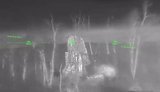 Unmanned Systems Forces successfully struck 41 enemy SAM systems and radars in March. VIDEO Pilots of the 414th Separate Unmanned Systems (USF) Brigade "Madyar’s Birds", struck an S-300 radar, a Tor surface-to-air missile (SAM) system, an MT-LB and three VATs on the night of 31 December. 1 565 5 Previously in trend: Destruction of Russian equipment Drone operators
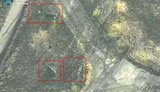 Combat task force of SSU Main Directorate destroyed at least 23 enemy assets in Donetsk region: artillery, EW and radar. VIDEO The combat task force of the SSU (Security Service of Ukraine) Main Directorate in Donetsk and Luhansk regions is effectively destroying enemy targets on the eastern front. 1 887 0 Previously in trend: Destruction of Russian equipment Situation in the Donetsk and Luhansk regions Drone operators UAV attacks on Donetsk region SSU special operation
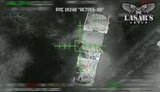 Lasar’s Group NGU fighters destroyed Russian Yastreb-AV radar worth $50 million. VIDEO The separate special forces detachment Lasar’s Group of the National Guard of Ukraine, destroyed a Russian 1K148 Yastreb-AV radar station in the Luhansk region, deep behind the line of combat contact. 3 373 4 Previously in trend: Destruction of Russian equipment Drone operators
 Operational combat group of SSU Main Directorate destroyed Groza, Silok and Pole-21M EW systems. VIDEO The operational combat group of the Security Service of Ukraine (SSU) Main Directorate in Donetsk and Luhansk regions continues to eliminate enemy forces in eastern Ukraine. 2 451 2 Previously in trend: Destruction of Russian equipment Drone operators SSU special operation
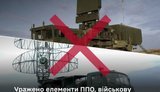 Defense Forces hit Russian radar systems and military infrastructure in Ukraine’s temporarily occupied territories – General Staff As part of efforts to reduce the military-economic and air defense potential of the Russian aggressor, units of Ukraine’s Defense Forces carried out a series of strikes on targets in temporarily occupied territories. 1 082 2 Previously in trend: Occupied territories - Crimea and Donbas Strikes on Russian logistics
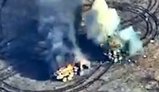 Ukrainian soldiers destroyed Russian "Kasta" radar station in Zaporizhzhia region. VIDEO The Defense Forces of Ukraine conducted a successful joint operation to demilitarize enemy air defense and reconnaissance in the southern direction. As reported by Censor.NET, a Russian Kasta-2E2 radar station was detected and completely destroyed in the Zaporizhzhia region. 3 430 7
 Radar station and other facilities and concentrations of occupying personnel hit in temporarily occupied territories and in Russia – General Staff Ukraine’s Defense Forces continue to deliver effective fire strikes against enemy targets both in temporarily occupied Ukrainian territories and on the territory of the Russian Federation in order to reduce the offensive potential of the Russian aggressor. 1 062 1 Previously in trend: Destruction of Russian equipment Elimination of Russian occupying forces Striking Russia
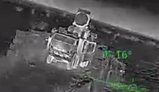 USF destroyed Uragan MLRS, Pantsir ADMGS, Buk SAM system, and occupiers’ radar in Donetsk region, Zaporizhzhia, and Crimea overnight. VIDEO The Unmanned Systems Forces (USF) of the Armed Forces of Ukraine created a real hell for the enemy on the night of February 24, 2026, symbolically marking another anniversary of the full-scale invasion. According to Censor.NET, as a result of coordinated strikes across the entire front line and... 2 323 10 Previously in trend: Destruction of Russian equipment
 "Nebo-U" radar station, areas where UAV operators were concentrated, and an RF warehouse have been hit in TOT, - General Staff The defence forces struck the Russian Nebo-U radar station, areas where UAV operators were concentrated, and a warehouse containing material and technical resources. 1 286 5 Previously in trend: Destruction of Russian equipment
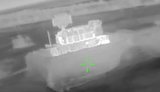 Defense Intelligence of Ukraine’s special unit "Prymary" destroys three enemy high-value radars and rare "Arctic" 9K332 Tor-M2DT air defense system. VIDEO Ukraine’s military intelligence continues to methodically dismantle the occupiers’ air defense system, making their positions vulnerable to further strikes. As reported by Censor.NET, specialists from the Main Intelligence Directorate of the Ministry of Defense of Ukraine’s special unit... 2 999 6 Previously in trend: Destruction of Russian equipment
 S-400 radar, EW assets and UAV control centre of Russian Federation struck by Defence Forces, - General Staff of AFU The defence forces struck a logistics hub, a concentration of manpower, UAV control points and electronic warfare assets of the Russian invaders. 1 354 0 Previously in trend: Destruction of Russian equipment
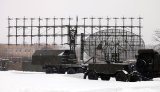 Russian "Nebo-SVU" radar worth $100 million hit in TOT Luhansk region, - General Staff Ukrainian defence forces have struck a Russian radar station in occupied Luhansk region. 3 607 3 Previously in trend: Destruction of Russian equipment
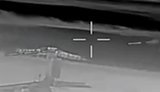 412th Nemesis Brigade hits 10 enemy air defense systems in week. VIDEO Over the course of a week, operators of the 412th Separate Brigade Nemesis of the Unmanned Systems Forces hit 10 SAM launcher units and radar stations of the enemy. 1 891 2 Previously in trend: Destruction of Russian equipment
 Unmanned Systems Forces of 412th Nemesis Brigade struck six enemy air defense systems in occupied territories in 48 hours. VIDEO The Unmanned Systems Forces (USF) of the 412th Nemesis Brigade struck six enemy air defense systems and radars in the temporarily occupied territories. 2 251 9 Previously in trend: Destruction of Russian equipment Fightings in the Zaporizhzhia direction
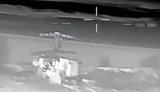 Unmanned Systems Forces destroy Prima P-18 radar, Tor SAM system and Tunguska in two directions. VIDEO On 12 January 2026, units of Ukraine’s Unmanned Systems Forces struck three high-value air defense assets of the Russian occupation forces. The destruction took place in the Zaporizhzhia and Donetsk directions. 1 646 3 Previously in trend: Destruction of Russian equipment
Page 1 of 3
more news