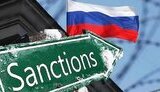
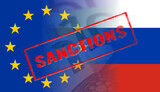
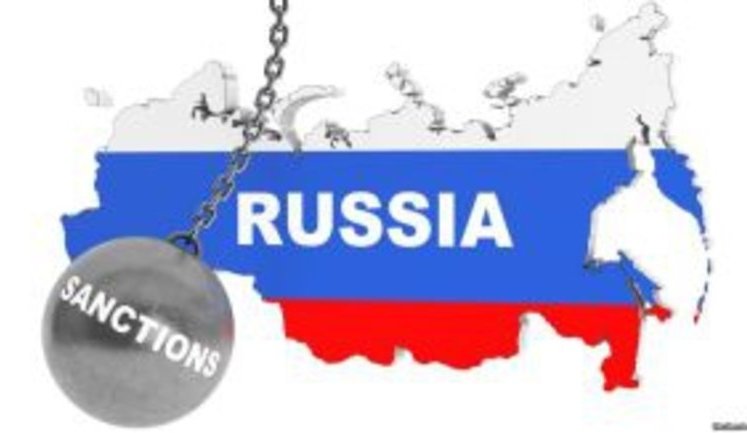
In 2026, the global landscape is heavily influenced by ongoing sanctions against Russia. The US and EU have adapted their strategies, including the implementation of the Lindsey Graham Act, aiming to increase pressure on Moscow. However, within the EU, certain member states like France and Slovakia have shown resistance towards extending specific sanctions lists. The economic implications are vast, affecting not only Russia's capabilities but also the international market dynamics. The balance of imposing adequate pressure while maintaining global economic stability poses a challenge, as seen in the opposing stances within the EU and pressure on Trump from US lawmakers to uphold sanctions. This ongoing scenario highlights the complexity and significant impact of sanctions in global diplomacy and economics.
How are sanctions impacting Russia's economy in 2026?
Sanctions have significantly strained Russia's economy, limiting its access to international markets and financial systems. This restriction has also hampered Russia's ability to finance its activities, particularly its military expenditure, further isolating it on the global stage.
What role does the Lindsey Graham Act play in US-Russia relations?
The Lindsey Graham Act provides the US with a robust framework for imposing and tightening sanctions against Russia. This act has been crucial in maintaining pressure on Moscow, especially by targeting sectors vital to the Russian economy and those aiding its military aggression.
Why is there resistance within the EU regarding sanctions on Russia?
Resistance stems from varying national interests within the EU. Countries like France argue for easing certain sanctions due to their national security interests or economic ties, thus creating a divide on how to uniformly apply sanctions against Russia.
What has been the US Congress's stance on sanctions against Russia?
The US Congress has generally supported stringent sanctions on Russia, with bipartisan backing for measures like the Graham Act. Despite some resistance due to concerns over domestic economic impacts, the emphasis remains on curbing Russia's aggressive actions.
Are sanctions effective in changing Russia's political actions?
While sanctions have applied considerable economic and political pressure, their effectiveness in changing Russia's behavior remains debatable. Sanctions have limited resources available to Russia but have not yet resulted in a significant shift in its foreign policy or military strategies.
How has the European Union responded to sanctions fatigue?
The EU aims to counteract sanctions fatigue by advocating for continued economic pressure on Russia. It seeks to close any loopholes that allow circumvention of sanctions, thus ensuring sustained pressure to influence Moscow's policies.