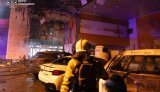
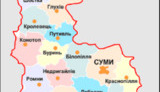
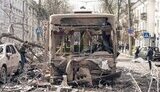
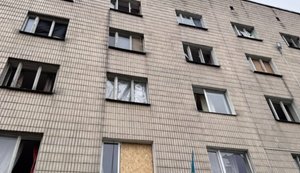
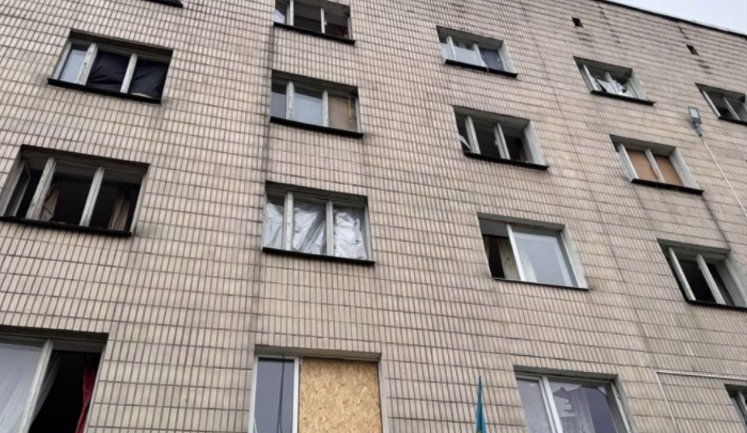
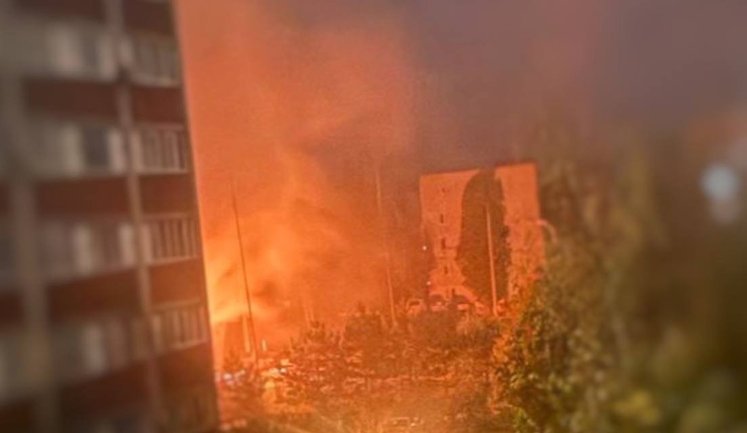
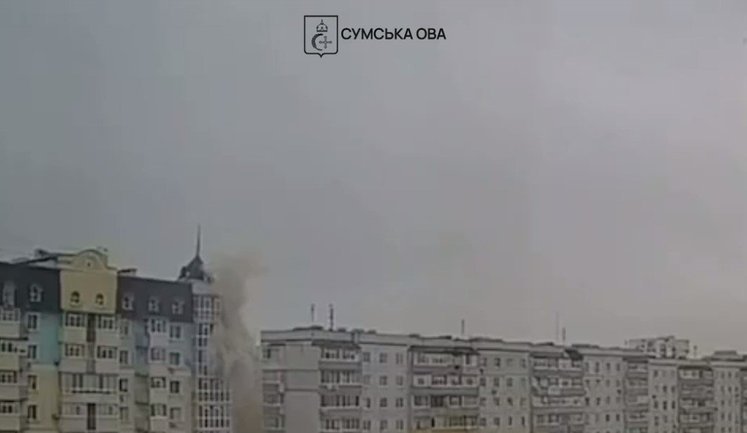
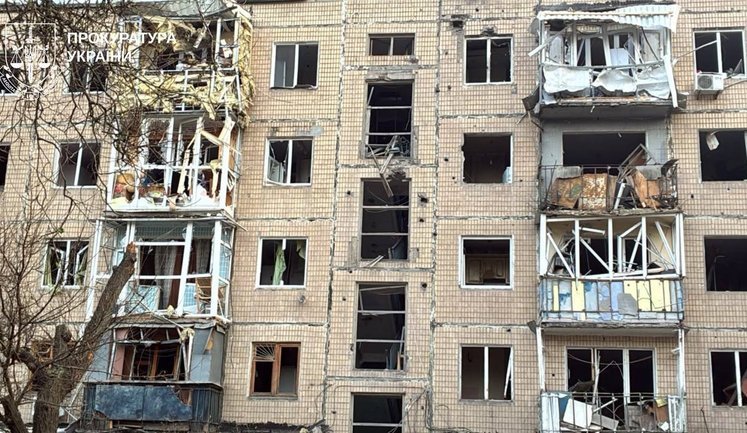
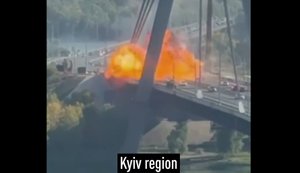
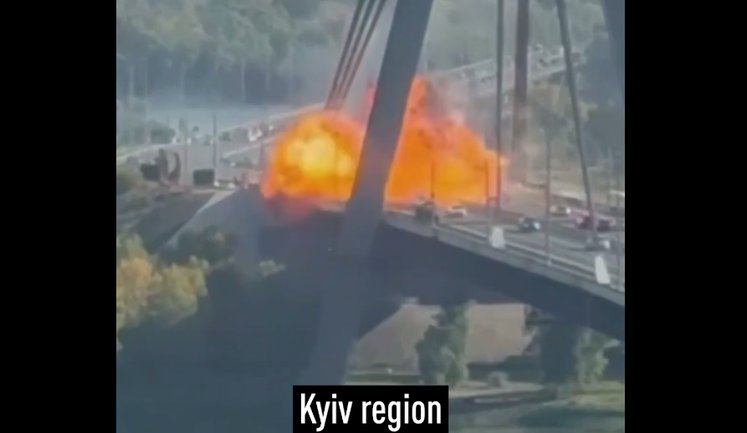
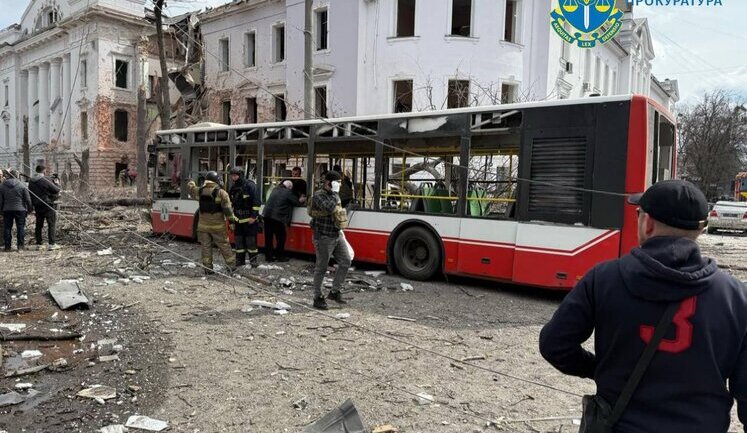
The Sumy region in Ukraine continues to face significant challenges due to repeated Russian military attacks. Recent incidents have resulted in multiple casualties and severe damage to civilian infrastructure. As Russian forces persist in targeting urban areas, including residential districts and shopping centers, the local population is enduring substantial hardship. The tragic death of individuals, including children, highlights the indiscriminate nature of these assaults. In addition to human loss, attacks have severely damaged healthcare and industrial facilities, further complicating the region's recovery efforts. As international attention grows, there is a call for accountability and stronger support for Ukraine amidst these ongoing hostilities.
What impact have Russian attacks had on the Sumy region's infrastructure?
The repeated Russian attacks on Sumy have led to substantial infrastructure damage, including the destruction of residential buildings, schools, shopping centers, and industrial facilities. These attacks have left many structures beyond repair, significantly affecting daily life and economic activity in the region.
How has the civilian population in Sumy been affected by the Russian strikes?
The civilian population in Sumy has suffered greatly due to the Russian strikes, facing fatalities and injuries. The attacks have not only taken lives but also disrupted daily living, instilling fear and uncertainty in the community. Many have experienced loss of homes and access to essential services.
What has been the international response to the attacks on Sumy?
The international community has increasingly condemned the Russian attacks on Sumy, calling for accountability and stronger sanctions against Russia. Several nations have expressed solidarity with Ukraine, providing humanitarian aid and urging diplomatic resolutions to the conflict.
What measures are being taken to protect civilians in Sumy from further attacks?
Efforts to protect civilians in Sumy include strengthening local defense systems, enforcing evacuation procedures, and providing emergency relief services. However, ongoing attacks complicate comprehensive safety measures, requiring continuous international support and strategic planning.
How are healthcare services in Sumy coping with the aftermath of the attacks?
The healthcare services in Sumy are under severe strain due to the frequency and intensity of the attacks. Hospitals face challenges in accommodating the influx of casualties, while supplies are depleted quickly. Medical professionals are working tirelessly but require additional support and resources.
What role do drones play in the attacks on Sumy?
Drones have been a significant component in the attacks on Sumy, utilized by Russian forces to target strategic civilian and industrial locations. Their use underscores a technological advantage, allowing precise yet devastating strikes, leading to high casualty rates and extensive property damage.
How has the local government in Sumy responded to recent attacks?
The local government in Sumy has been actively coordinating emergency responses, providing aid to affected families, and repairing infrastructure. Authorities are also documenting incidents to support international legal proceedings against the aggressors and seeking additional defensive support.
Are there any initiatives to rebuild Sumy after the attacks?
Rebuilding initiatives in Sumy are in motion, focusing on restoring critical infrastructure and providing temporary housing solutions. International aid organizations are involved in funding and planning, but the ongoing conflict poses significant obstacles to long-term recovery and rebuilding efforts.
What psychological effects are residents in Sumy experiencing due to the attacks?
Residents in Sumy are facing serious psychological effects, including trauma, anxiety, and stress. The unpredictable nature of the attacks exacerbates these mental health challenges, necessitating increased access to psychological support and counseling services to help the population cope with their experiences.