The global landscape in 2026 remains tense with threats emerging from multiple fronts. In Poland, two Ukrainians were deported after threatening civilians, highlighting local security challenges. In Kharkiv, Russian soldiers threatened a local's family during an escape, adding to the region's instability. High-profile figures, such as Denys Bihus, face personal threats linked to investigative journalism, showcasing the dangers faced by media personnel. Meanwhile, Russia's aggressive posturing towards Ukraine and Europe includes threats of military strikes, affecting diplomatic relations and strategic stability. The EU and NATO remain undeterred, continuing support for Ukraine despite Russia's bold warnings. These developments underline a globally volatile security environment, with diplomatic and military implications that nations worldwide must navigate carefully.
What were the consequences for the Ukrainians threatening passers-by in Poland?
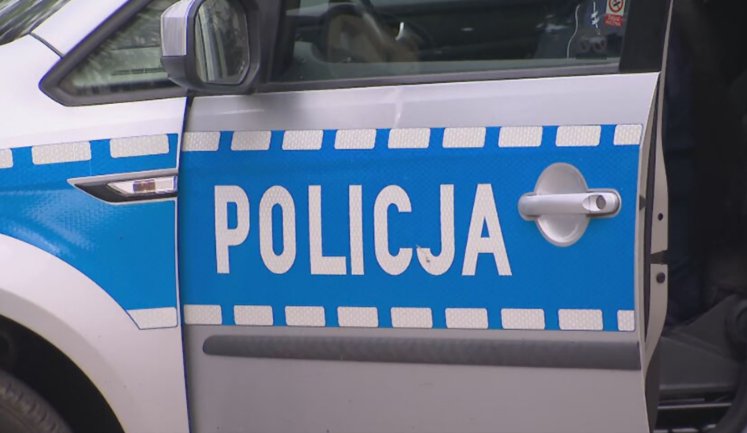
The two Ukrainian nationals, aged 18 and 19, who threatened passers-by in Wrocław, Poland, with a bomb and simulated gunfire were detained by police. Following questioning, they were deported back to Ukraine, reflecting Poland's stringent approach to such security threats and ensuring public safety in the region.
How did Russian soldiers threaten locals in the Kharkiv region?
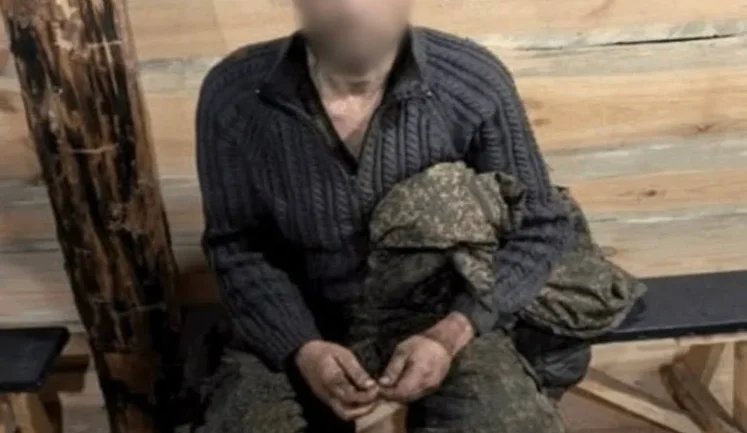
In Kharkiv, four Russian soldiers, after escaping captivity, coerced a local resident at gunpoint to drive them to the front line. Before departing, they warned of returning and harming his family if he reported the incident, adding personal and communal risk in conflict-affected areas.
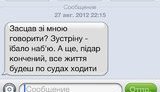
Why is Denys Bihus facing threats, and from whom?
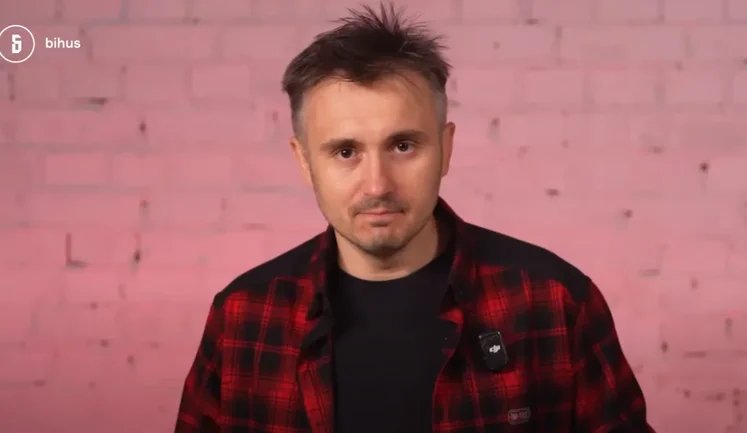
Journalist Denys Bihus has been threatened after NABU recordings surfaced, linking suspects in the "Carthage" case to discussions of attacking him. These threats arise amid his investigative work, highlighting the peril journalists face when exposing potentially illegal or corrupt activities.
What is Russia's stance on European defense support to Ukraine?
Russia has declared European defense companies supplying weapons to Ukraine as "legitimate and potential military targets." This aggressive stance aims to intimidate Europe into retracting its military support, although EU leaders have reaffirmed their commitment to assisting Ukraine despite these threats.
How has the EU responded to Russia's threats against diplomatic missions in Ukraine?
The European Union, represented by Ambassador Katarina Maternová, has firmly stated that Russia's threats will not deter its diplomatic engagement. The EU remains steadfast in Kyiv, rejecting Moscow's intimidation efforts and supporting Ukraine amidst the ongoing conflict.
What are the implications of Lavrov's threats to European security?
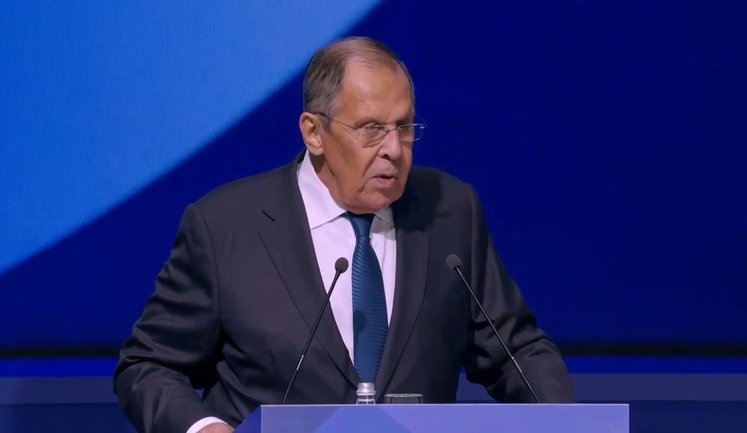
Sergey Lavrov's threats highlight the ongoing risk to European security as Russia positions itself confrontationally against NATO and EU allies. These statements aim to sow discord and fear but have led to reinforced solidarity among European nations committed to countering Russian aggression.