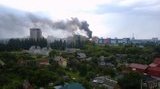
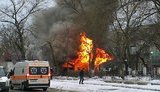
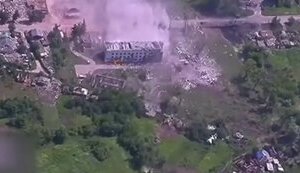
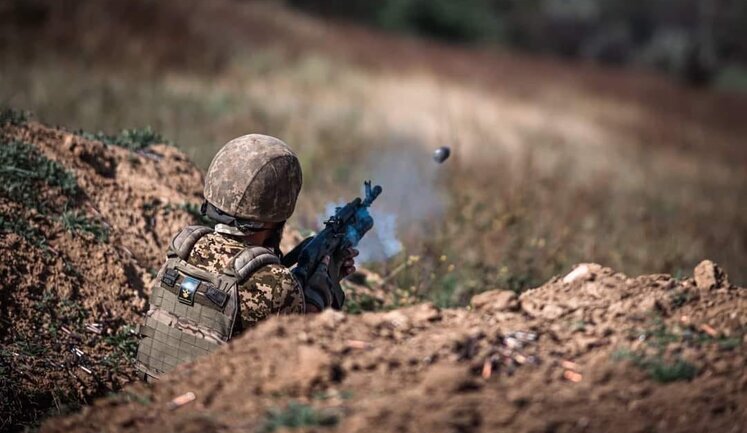
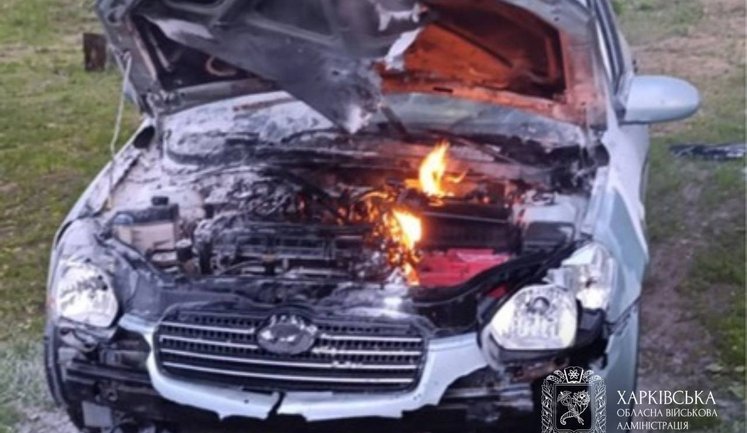
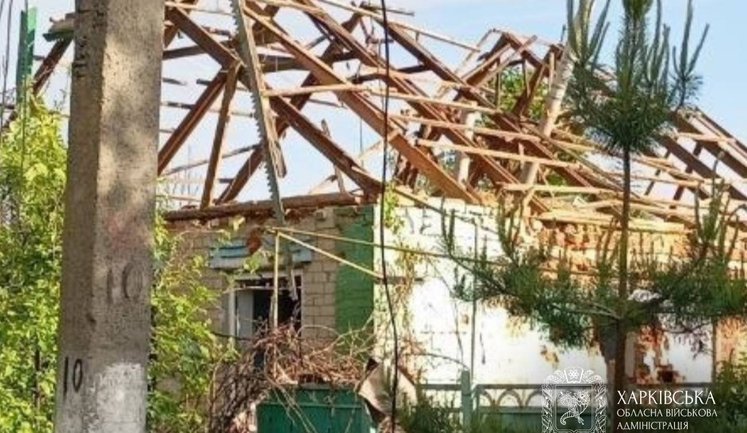
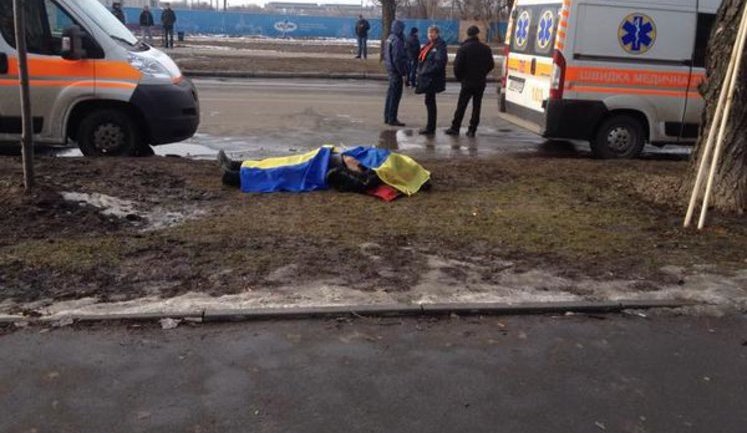
Kharkiv Region, Ukraine, continues to endure relentless attacks, with recent events highlighting the severity of the conflict. Russian forces launched aerial assaults on Kharkiv and its surrounding districts, such as Chuhuiv, Kupiansk, and Bohodukhiv, employing guided bombs and drones. The attacks have resulted in casualties, damaged residential buildings, and left critical infrastructure without heat, affecting over 100,000 consumers. On November 23, the number of victims rose to five, underscoring the humanitarian aspect of these military aggressions. Moreover, a recent massive drone attack injured 32 individuals and caused significant damage. The situation continues to be dire, reflecting the ongoing tensions and impact of the conflict on society and infrastructure in Kharkiv and the wider region.
What are the latest developments in the conflict in Kharkiv region?
The Kharkiv region has been subjected to continuous attacks, with Russian forces using drones and guided aerial bombs to target cities such as Kharkiv, Chuhuiv, Kupiansk, and others. These attacks have led to numerous casualties and massive damage to infrastructure, including residential areas and critical facilities. Over 100,000 people are currently without heat due to recent strikes on infrastructure.
How have recent attacks affected the civilian population of Kharkiv?
The civilian population in Kharkiv has been significantly affected by recent attacks. There have been casualties and injuries, including children, due to strikes on residential buildings and schools. The destruction of infrastructure has left many without essential services like heating and electricity, exacerbating the hardships faced by locals.
Which areas in the Kharkiv region are most affected by recent military actions?
The most affected areas in the Kharkiv region include the city of Kharkiv itself and surrounding districts such as Chuhuiv, Kupiansk, and Bohodukhiv. These areas have been repeatedly targeted by Russian military actions, resulting in extensive damage to both civilian infrastructure and residential buildings.
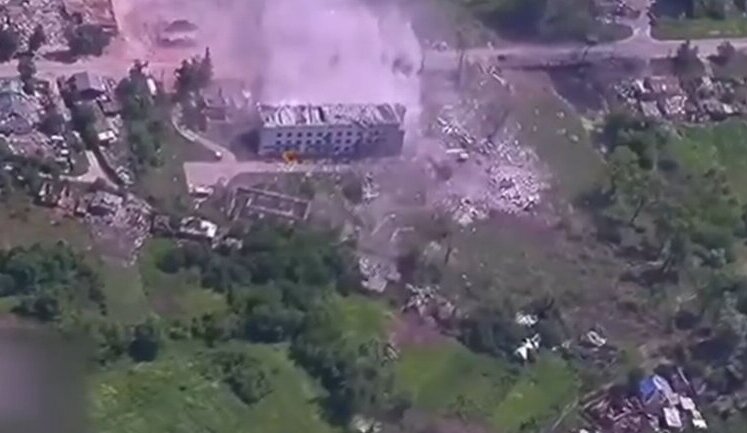
What types of weapons are being used in attacks on Kharkiv region?
In the recent attacks on the Kharkiv region, Russian forces have deployed guided aerial bombs and unmanned aerial vehicles (UAVs), commonly known as drones. These weapons have been used to target residential buildings, critical infrastructure, and other key locations within the region.
How is the local government in Kharkiv responding to the ongoing conflict?
The local government in Kharkiv is responding to the ongoing conflict by coordinating with emergency services to manage the consequences of the attacks, including evacuation efforts and restoring essential services like heating and power. They also provide updates to the public via news and announcements, ensuring that residents are informed about safety measures and relief efforts.
Has there been any international response to the attacks in Kharkiv?
There has been international condemnation of the attacks in Kharkiv, with foreign officials denouncing the actions as violations of international norms. Humanitarian aid and support from international organizations are being directed towards helping the affected civilians and enhancing the region's resilience in coping with the ongoing crisis.
What measures are being taken to ensure the safety of residents in Kharkiv?
The safety of residents in Kharkiv is being prioritized through various measures, including the establishment of bomb shelters and the dissemination of emergency alerts. Local authorities are also working to repair and maintain critical infrastructure, ensuring that basic needs such as shelter and heat are met for those affected by the strikes.
What is the impact of infrastructure damage on daily life in Kharkiv?
The impact of infrastructure damage on daily life in Kharkiv is profound, resulting in disrupted access to heating, electricity, and other essential services. This has caused significant challenges for residents, who now face increased vulnerabilities amidst ongoing military threats. Restoration efforts are underway, but the situation remains challenging.